 English
 Arabic
 French
 Bangla
 Russian


 Best Oncologist India
 Top Hospital India
Dendritic Cell Therapy in India at Affordable Cost
Introduction

Dendritic cell therapy represents a promising approach in the field of immunotherapy, harnessing the body's immune system to target and eliminate cancer cells. This innovative treatment involves the extraction of dendritic cells from a patient, which are then activated and reintroduced into the body to enhance the immune response against tumors. By presenting tumor antigens to T cells, dendritic cells play a crucial role in stimulating a robust immune reaction, potentially leading to improved patient outcomes. As research continues to evolve, dendritic cell therapy holds significant potential for personalized cancer treatment strategies, offering hope for more effective interventions in oncology.
What is Dendritic Cell Therapy?
Dendritic Cell Therapy is an innovative approach in immunotherapy that utilizes dendritic cells, which are crucial components of the immune system, to enhance the body’s ability to fight cancer. This therapy involves the extraction of dendritic cells from a patient, which are then activated and modified in a laboratory setting to recognize and attack cancer cells more effectively. Once these enhanced cells are reintroduced into the patient’s body, they stimulate a robust immune response, targeting tumors and potentially leading to improved outcomes in cancer treatment.
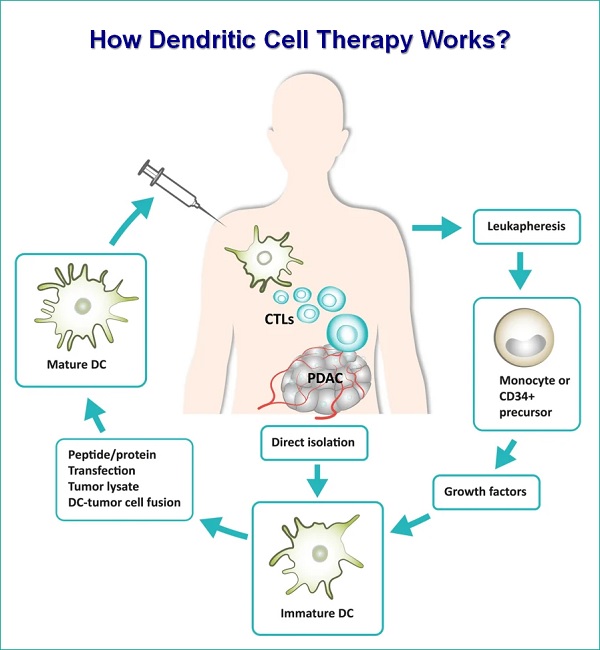
How Dendritic Cell Therapy Works?
- Collection: Immune cells (monocytes) are collected from the patient's blood, typically through a process similar to a standard blood test or leukapheresis.
- Transformation: In a specialized laboratory, these cells are treated with growth factors and cytokines to transform them into dendritic cells.
- Priming (Training): The DCs are exposed to "markers" (antigens) of the target disease—such as tumor lysates, specific cancer proteins, or viral antigens. This "teaches" the cells exactly what the threat looks like.
- Maturation: The cells are further stimulated to reach a "mature" state, making them highly effective at activating other immune cells once reintroduced into the body.
- Reintroduction: The "trained" mature DCs are injected back into the patient (often subcutaneously or intravenously).
- Immune Activation: Once back in the body, these DCs migrate to the lymph nodes where they present the disease markers to T-cells. This triggers a massive, targeted attack by T-cells and Natural Killer (NK) cells against the specific disease
Conditions Treated with Dendritic Cell Therapy
Dendritic cell therapy is utilized to address a variety of medical conditions, particularly in the realm of cancer treatment. This innovative approach harnesses the body's immune system by using dendritic cells to enhance the immune response against tumors.
Dendritic cell therapy in India has shown promise in treating various cancers, including:
- Prostate Cancer
- Oral Cancer
- Ovarian cancer
- Pancreatic Cancer
- Head and Neck Cancer
- Gastric Cancer
- Renal Cancer
- Skin Cancers
- Colon Cancer
- Bladder Cancer
- Breast Cancer
- Lung and Liver Cancer
By effectively presenting antigens to T cells, dendritic cell therapy aims to improve the body's ability to recognize and attack cancer cells, thereby offering a potential avenue for more personalized and effective treatment strategies.
Planning Affordable Dendritic Cell Therapy in India is an easy process.
Our Hospitals Network and Surgery Group is available in 15 cities of India for our patients to access. Kindly fill up the form for a free opinion from our expert team. You will be provided with an analysis and recommendations for your surgery. NO CHARGES LEVIED.
Special ALL SERVICES INCLUSIVE Packages available for INTERNATIONAL PATIENTS
Eligibility Criteria for Dendritic Cell Therapy
 Dendritic cell therapy has specific eligibility criteria that must be met for patients to participate in this innovative treatment. Candidates typically include individuals diagnosed with certain types of cancer who have not responded adequately to conventional therapies.
Additionally, patients should have a sufficient immune response and overall health status to tolerate the procedure. It is essential for potential participants to undergo a thorough evaluation by a medical professional to determine their suitability for this advanced therapeutic approach.
Who Should NOT Consider This Therapy?
Certain individuals may not be suitable candidates for this therapy. Those with specific medical conditions, such as severe cardiovascular issues or active infections, should avoid this treatment due to potential complications. Additionally, individuals who are pregnant or breastfeeding may also be advised against participating, as the effects on the fetus or infant are not fully understood. Furthermore, patients with a history of substance abuse or those currently taking medications that could interact negatively with the therapy should consult their healthcare provider before considering this option.
Benefits of Dendritic Cell Therapy in India
Dendritic cell therapy in India offers significant advantages in the realm of cancer treatment. This innovative approach harnesses the body’s immune system to target and destroy cancer cells more effectively than other treatment. By utilizing dendritic cells, which play a crucial role in presenting antigens to T-cells, this therapy enhances the immune response against tumors.
Global Patient in India benefits from access to advanced medical facilities and expertise in immunotherapy, making dendritic cell therapy a promising option for personalized cancer care. Furthermore, the growing research and clinical trials in the country contribute to the development of more effective treatment protocols, ultimately improving patient outcomes.

Planning your medical trip to India is a very simple process with India Cancer Surgery Site
- You just need to fill in our enquiry form and one of our executive will contact you soon.
- +91 9371770341 Call us at the given to contact number for any assistance.
- Complete information regarding surgery is provided on our website.
-

Procedure of Dendritic Cell Therapy (Step-by-Step)
Dendritic Cell (DC) therapy is a highly personalized "cancer vaccine" process that typically takes 7 to 10 days from the initial blood collection to the first treatment.
- Blood Collection (Apheresis/Phlebotomy)
A sample of the patient's blood (usually 150–200 ml) is collected to obtain monocytes, which are the precursor cells for dendritic cells. In some clinical settings, a specialized machine (apheresis) is used to separate these white blood cells while returning the rest of the blood to the patient. - Cell Isolation and Culturing
In a specialized, certified laboratory (often meeting GMP standards), scientists isolate the monocytes from the blood sample. These cells are then placed in a nutrient-rich medium with specific growth factors (like GM-CSF and IL-4) to transform them into immature dendritic cells. - Antigen Loading ("The Training")
The immature cells are exposed to specific markers of the patient's disease, known as antigens. These can be derived from:- The patient's own tumor tissue (biopsy).
- Tumor markers found in the patient's blood plasma (liquid biopsy).
- Synthetic peptides that match common cancer markers.
- Maturation and Quality Control
The cells are incubated for several days until they become mature, "attack-ready" dendritic cells. Before administration, the lab performs strict quality checks using flow cytometry to verify cell count, viability, and potency. - Vaccine Administration
The trained cells are formulated into a vaccine and reintroduced to the patient. The most common methods are:- Subcutaneous or Intradermal Injection: Typically given near lymph nodes in the groin or armpit.
- Intravenous (IV) Infusion: The cells are dripped directly into the bloodstream.
- Immune Activation and Monitoring
Once inside the body, these cells travel to the lymph nodes to "instruct" T-cells to identify and destroy the cancer. Patients are monitored for immune response through follow-up blood tests and imaging.
Preparation Before Treatment
 Before undergoing dendritic cell therapy, it is essential to prepare adequately to ensure optimal outcomes. This preparation may involve a thorough medical evaluation to assess the patient's overall health and suitability for the treatment.
Additionally, patients should be informed about the procedure, including potential side effects and the expected timeline for results. It is also crucial to discuss any medications or supplements being taken, as these may impact the therapy's effectiveness.
Proper preparation not only enhances the treatment experience but also contributes to better health management throughout the process.
Recovery & Post-Treatment Care
Recovery and post-treatment care following dendritic cell therapy are crucial for optimizing patient outcomes. It is essential for patients to adhere to the recommended follow-up schedule, which may include regular check-ups and monitoring for any potential side effects.
Additionally, maintaining a healthy lifestyle, including a balanced diet and appropriate physical activity, can support the immune system during the recovery phase. Patients should also be encouraged to communicate any concerns or unusual symptoms to their healthcare provider promptly, ensuring that any complications are addressed swiftly.
Overall, a comprehensive approach to post-treatment care can significantly enhance the effectiveness of dendritic cell therapy and contribute to the patient's overall well-being.
Mrs. Sesotho Omphile From South Africa Patients’ Success Stories of Dendritic Cell Therapy in India

Mrs. Sesotho Omphile
A patient from South Africa has shared her remarkable journey and positive outcomes following Dendritic Cell Therapy for Breast Cancer in India. This innovative treatment, which harnesses the body’s immune system to target cancer cells, has provided her with renewed hope and significant improvements in her health. After exploring various treatment options, she decided to travel to India, where she received personalized care from a team of experienced medical professionals specializing in immunotherapy. Throughout her treatment, she experienced not only a reduction in tumor size but also an overall enhancement in her quality of life. Her story serves as an inspiring testament to the potential of Dendritic Cell Therapy and highlights the advancements in cancer treatment available in India, encouraging others facing similar health challenges to consider this promising option.
★★★★★ Published
Cost of Dendritic Cell Therapy in India
In India, the cost of Dendritic Cell Therapy starts from $12,000 USD and can go up to $22,000 USD, depending on the stage of cancer, number of cycles, hospital choice, and patient condition. Dendritic Cell Therapy cost in India is considered highly affordable compared to many Western countries.
- Per Dose/Cycle: ₹1.2 lakh to ₹1.5 lakh (approx. $1,500).
- Full Treatment Course: Typically ₹10 lakh to ₹15 lakh (approx. $12,000 to $22,000) for a standard protocol of 6 to 8 cycles.
- Pre-Treatment Costs: Diagnostic tests (PET-CT, biopsies) and specialist consultations can add approx. $500 to the initial budget.
India Cancer Surgery Services connects you with top hospitals offering reliable and affordable dendritic cell treatment.
Cost Comparison – India VS Other Countries
| Country | Average Cost (USD) |
|---|---|
| India | $12,000 – $22,000 |
| USA | $30,000 – $70,000 |
| UK | $25,000 – $50,000 |
| Germany | $20,000 – $45,000 |
| Japan | $18,000 – $40,000 |
Factors Affecting the Cost of Dendritic Cell Therapy in India
- Laboratory Complexity: The intensive process of isolating monocytes and "training" them with specific antigens in GMP-certified facilities accounts for a large portion of the expense.
- Cancer Type and Stage: More aggressive or advanced cancers often require more complex antigen loading and longer treatment protocols, increasing the overall investment.
- Number of Cycles: A standard treatment plan typically requires 3 to 6 cycles. Since each dose is individually prepared, the total cost scales directly with the number of sessions.
- Hospital Type and Location: Costs are higher at premium, JCI or NABH-accredited private hospitals in Tier-1 cities (like Mumbai or Delhi) compared to specialized research centers or government facilities.
- Combination Therapies: If DC therapy is used alongside chemotherapy, radiation, or checkpoint inhibitors, the cumulative cost of care will be significantly higher.
- Diagnostic Requirements: Extensive pre-treatment workups, including PET-CT scans, biopsies, and specialized blood tests, can add ₹50,000 to ₹1,00,000 to the initial bill.
- Personalization Level: Vaccines using the patient’s own tumor tissue (autologous) are generally more expensive to prepare than those using standardized synthetic peptides.
Top 10 Dendritic Cell Therapy Doctors in India
Discover the leading experts in dendritic cell therapy in India, where innovative treatments are being developed to enhance cancer immunotherapy. These top doctors are recognized for their extensive experience and contributions to the field, providing patients with advanced options for personalized care.
Here is the list of top dendritic cell therapy and immunotherapy doctors in India
- Dr. Parveen Yadav
- Dr. Ashok Kumar Vaid
- Dr. Suman S Karanth
- Dr. Harit Chaturvedi
- Dr. Jamal A. Khan
- Dr. Sharmin Yaqin
- Dr. Suresh Advani
- Dr. Alok Sharma
- Dr. Pramod Kumar Julka
- Dr. Kandra Prasanth Reddy
- Dr. Ravi Chander Veligeti
- Dr. A. Venugopal
Their expertise not only encompasses the administration of dendritic cell therapies but also includes comprehensive patient management and cutting-edge research, ensuring that individuals receive the highest standard of treatment tailored to their specific needs.
Top 10 Dendritic Cell Therapy Hospitals in India
India is home to several leading hospitals specializing in dendritic cell therapy, a promising approach in cancer treatment. These institutions are equipped with advanced technology and staffed by experienced professionals dedicated to providing innovative therapies.
Here is the list of top dendritic cell therapy hospitals in India
- Artemis Hospital, Gurgaon
- Medanta-The Medicity, Gurgaon
- Fortis Memorial Research Institute, Gurgaon
- Max Super Specialty Hospital, Saket, New Delhi
- Nanavati Super Specialty Hospital, Mumbai
- Kokilaben Dhirubhai Ambani Hospital, Mumbai
- Manipal Hospitals Dwarka, Delhi
- BLK Super Speciality Hospital, New Delhi
- Gleneagles Global Hospitals, Bangalore
- HCG Hospital Bangalore
- Fortis Hospital, Mumbai
- Jaslok Hospital, Mumbai
Patients seeking dendritic cell therapy can find comprehensive care and cutting-edge research at these top hospitals, which are recognized for their contributions to immunotherapy and personalized medicine. The combination of expertise and state-of-the-art facilities makes these hospitals a preferred choice for individuals looking for cost effective treatment options in India.
Dendritic Cell Therapy VS Other Cancer Treatments
Dendritic cell therapy represents a novel approach to cancer treatment, distinguishing itself from traditional methods such as chemotherapy and radiation. While conventional therapies often target rapidly dividing cells indiscriminately, dendritic cell therapy harnesses the body’s immune system to specifically identify and attack cancer cells.
This immunotherapeutic strategy involves the extraction and modification of dendritic cells to enhance their ability to present tumor antigens, thereby stimulating a more targeted and effective immune response. As a result, dendritic cell therapy not only aims to reduce tumor burden but also seeks to establish long-lasting immunity against cancer recurrence, offering a complementary option to existing treatment modalities.
India & International : +91 9371770341
Dendritic Cell Therapy Success Rate & Outcomes
 Dendritic cell therapy in India success rates 70% to 80% and outcomes may vary depending on the cancer type, stage, and individual patient response. This innovative approach harnesses the body's immune system by utilizing dendritic cells to enhance the recognition and destruction of cancer cells.
Clinical studies indicate that patients undergoing this therapy often experience improved immune responses, leading to better overall survival rates and disease management. As research continues to evolve, the potential for dendritic cell therapy to become a standard treatment option in oncology remains a significant area of interest.
Dendritic Cell Therapy for International Patients
India has become a leading hub for Dendritic Cell (DC) therapy, attracting international patients with costs that are 50–60% lower than in Western countries.
Package for International Patients
- Total Package: Typically ranges from $12,000 to $22,000 for a full treatment course (approx. 6–8 cycles).
- Per Cycle: Between $3,500 and $6,000, which usually includes the consultation, cell preparation, and infusion.
- Comparison: This same treatment can exceed $100,000 in the USA or Europe.
Essential Medical Visa (e-Medical Visa)
- Validity: Short-term e-Medical Visas are valid for up to 60 days with triple entry and are often processed within 72 hours.
- Attendants: Patients can bring up to two companions on a Medical Attendant Visa.
- Requirement: A formal Invitation Letter from a registered Indian hospital is mandatory for the application.
International Patient Services
Top-tier facilities provide end-to-end support, including:
- Airport transfers and local accommodation assistance.
- Language interpreters for seamless communication with doctors.
- Post-treatment follow-up via teleconsultation once the patient returns home.
Why Choose India Dendritic Cell Therapy?
India Dendritic Cell Therapy stands out as a compelling option for patients seeking innovative and effective treatment modalities for various health conditions, particularly cancer. This therapy harnesses the power of dendritic cells, which are pivotal in the immune system's ability to recognize and combat cancerous cells.
India has emerged as a leader in this field, offering advanced medical facilities and a wealth of expertise in immunotherapy. The country boasts a combination of cutting-edge technology, highly trained medical professionals, and a growing body of research dedicated to enhancing the efficacy of dendritic cell treatments.
Furthermore, the cost-effectiveness of healthcare in India allows patients to access these sophisticated therapies at a fraction of the price compared to many Western countries, without compromising on quality. This unique blend of innovation, affordability, and expertise makes India an attractive destination for those considering dendritic cell therapy as a viable treatment option.
India & International : +91 9371770341
- Is dendritic cell therapy safe?
- Is it approved in India?
- How many sessions are needed?
- How long do results take?
- Can it cure cancer?
- How to Choose the Right Hospital for Dendritic Cell Therapy in India?
- Which are the Best Cities for Dendritic Cell Therapy in India?
- How long does it take?
Our Success Stories
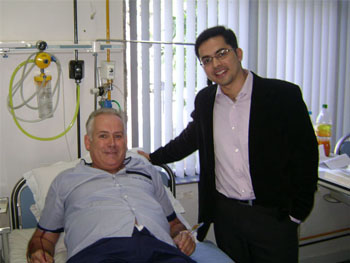
Mr.Richard Cooper Parson, UK
Successful Robotic Radical Prostatectomy in India
Different methodologies are tried when a person encounters cancer in the prostate...
Read More
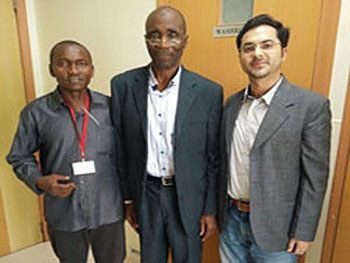
Mr. Yukub Abbas Ebrarim , South Sudan
Success Story of Pancreatic Cancer In India
India Cancer Surgery Site has served in bulk to its patients by helping them battle against...
Read More

Mr. Charles Nige,
Africa
Breast Cancer Surgery of his Wife In India
Hi! I am Mr. Charles; I am from Africa, to be specific from Nigeria. Recently, my wife...
Read More
Related Pages
Our Services In
Free Consultation
Conditions