


Robotic cancer surgery is a form of minimally invasive surgery in which the surgeon controls articulated instruments and a high-definition three-dimensional camera from a surgical console. The robot does not operate independently.
Its value comes from enhanced dexterity, tremor filtering, magnified vision and the ability to work precisely in deep or confined anatomical spaces.
Robotic surgery can be particularly useful in prostate, kidney, colorectal, gynaecological, thoracic and selected head-and-neck cancers. However, cancer outcomes depend primarily on correct patient selection, tumour biology, complete oncologic resection, appropriate lymph-node management and integration with chemotherapy or radiotherapy when required. A robotic operation is not automatically superior to an expertly performed open or laparoscopic operation.
For international patients considering India, the central question is therefore not simply whether a hospital owns a robot. It is whether the surgeon has substantial experience performing the exact cancer operation robotically, whether the tumour is suitable for minimally invasive resection, and whether conversion to open surgery can be performed immediately if oncologic or safety considerations require it.
If you have been told you need cancer surgery, you may be weighing small incisions and a quicker recovery against the need for a complete cancer operation. This guide is written to help you ask sharper questions, compare surgeons and plans rather than machines and organise the whole journey, so that your decision rests on your own cancer and not on a brand. It does not promise outcomes; every cancer and every patient is different.
Short Answer: Is India a Good Option for Robotic Cancer Surgery?
For many stable, well-staged patients, yes. Major Indian cancer centres run mature robotic programmes in urology, colorectal, gynaecological, thoracic and selected upper-GI and head-neck surgery, often at a lower private price than the USA, UK and Australia. But the robot is a tool, not a treatment. The first questions are clinical: is surgery the right next step, is the tumour resectable, and why robotic rather than laparoscopic or open? Ask how many of your exact operation the surgeon performs, what the conversion threshold is and what treatment follows. A good surgeon also knows when not to use the robot. Emergencies such as heavy bleeding or bowel obstruction need local care first. Start with a remote review of your pathology and scans before booking any travel.
Quick Facts - Robotic Cancer Surgery for International Patients in India
| Topic | International-Patient Planning Point |
|---|---|
| Who operates | A trained surgeon controls every instrument movement from a console |
| Potential advantages | Small incisions, 3D magnified vision, articulated instruments, less blood loss and faster recovery in selected procedures |
| Main cancer applications | Prostate, kidney, colorectal, gynaecological, thoracic and selected head-neck cancers |
| Cancer priority | Clear margins and correct lymph-node/resection strategy take priority over minimally invasive access |
| Conversion | Open conversion may be necessary for bleeding, adhesions, invasion or inability to achieve safe oncologic resection |
| Not always preferable | Large/invasive tumours, vascular involvement or multivisceral disease may be better treated by open surgery |
| Hospital stay | Often shorter than comparable open surgery, but varies by organ and complexity |
| India stay | Often about 2-4 weeks for uncomplicated major robotic cancer surgery, longer for complex cases |
| India planning cost | Common major robotic oncology procedures broadly US$6,000-15,000; complex procedures may be US$12,000-25,000+ |
| Records to send | Pathology, CT/MRI/PET images, endoscopy where relevant, prior treatment and operative reports |
| Major Indian hubs | Delhi NCR, Mumbai, Chennai, Bengaluru, Hyderabad and other tertiary cancer centres |
| Companion | Strongly advisable throughout the stay and the journey home, and often essential after major surgery |
Key principle: The robot is a surgical platform, not a cancer treatment strategy. The correct operation, performed by the correct disease-specific surgeon, matters more than whether the incision is robotic, laparoscopic or open.
Why India, and How Robotic Surgery Works
Why Do International Patients Choose India for Robotic Cancer Surgery?
Patients travel for robotic cancer surgery for practical reasons, and the strongest ones are about reaching an experienced disease-specific team at a price that does not force a compromise on the plan:
- Lower cost. Private Indian hospitals often quote less than self-pay prices in the USA, UK, Australia and other high-cost markets, although robotic consumables keep the saving narrower than for some open operations.
- Mature robotic programmes. Major centres run robotic surgery across urology, colorectal, gynaecology, thoracic and selected upper-GI and head-neck oncology.
- Comprehensive cancer care. Pathology, radiology, medical and radiation oncology, anaesthesia, ICU, blood bank and open surgical backup often sit in the same hospital.
- Range of approaches. The same centre can offer robotic, laparoscopic and open surgery, so the approach can be chosen for you rather than imposed.
- Timely access. Patients facing long waits for surgery at home can often be scheduled promptly once the records are reviewed, though a hurried plan built on incomplete staging helps no one.
- International patient support and English-speaking teams. Major hospitals typically help with appointments, hospital letters for visas, airport pick-up and accommodation guidance.
- A plan you can review first. A remote review can confirm that surgery is the right next step before you travel, and may show that treatment closer to home is better.
Emergencies Are Different
Heavy bleeding, bowel obstruction or perforation, severe breathing difficulty, fever with a low white-cell count (neutropenic sepsis), sudden weakness in the legs with back pain, severe confusion or dehydration needs immediate local care. Do not delay emergency treatment to arrange international travel.
Patient Tip
Low cost should be the beginning of your evaluation, not the end of it. The sections that follow explain how to judge the diagnosis, the approach, the surgeon and the follow-up so that savings do not come at the expense of safety.
How Does India Compare with Other Medical Travel Destinations?
Many patients also look at other popular medical-travel destinations before deciding. There is no single best country for every patient; the right choice depends on where you live, your cancer and what you can verify about the surgeon and hospital. These are the factors worth comparing:
| Factor | What to compare | How India generally fares |
|---|---|---|
| Cost | The full itemized package: operation, robotic consumables, ICU, pathology and exclusions, not the headline price | Often lower than self-pay pricing in Western countries; compare like with like |
| Surgeon experience | How many of your exact operation the surgeon performs robotically, and the conversion rate | Major Indian centres treat high volumes; always verify procedure-specific experience |
| Oncologic backup | Pathology, tumour board, medical and radiation oncology, ICU and open surgical backup | Available at large cancer centres; confirm the specific hospital |
| Technology | Robotic platform, fluorescence imaging and sentinel-node mapping where relevant | Modern platforms available at major centres; the surgeon matters more than the platform |
| Language | Whether doctors and nurses communicate easily with you | English is widely used by medical teams in major Indian hospitals |
| Distance and flight time | Length of the flight and the 2-4 weeks you may need to stay | Depends on where you live: relatively close for patients from South Asia, the Middle East and East Africa, and a long-haul journey from the Americas and parts of Europe |
| Visa | Visa type, processing time and attendant rules | India has a dedicated medical visa system with an attendant category; always confirm current rules for your nationality |
| Follow-up | Who will handle adjuvant treatment, surveillance and complications at home | Depends on the team; ask for a defined hand-over plan before you commit |
A Fair Way to Compare Destinations
- Ask every destination for the same itemized written plan (exact operation, approach, consumables, nodes, reconstruction, ICU, exclusions).
- Compare the clinical plan first and the price second.
- Compare the total trip cost - treatment, flights, accommodation, companion, local transport and a contingency buffer.
- Judge the disease-specific surgeon and hospital, not just the country or the robot model.
- Compare the follow-up plan: who will manage adjuvant treatment and any complications at home?
How Robotic Surgery Works for International Patients in India
The surgeon sits at a console and controls robotic arms carrying a camera and surgical instruments. Movements are translated into precise instrument motion inside the patient. A bedside surgical team assists with access, instrument exchange and emergency conversion.
The Robot Does Not Operate Autonomously
Current robotic cancer surgery is surgeon-controlled. The system does not independently decide where to cut or remove tumour. Surgeon judgement remains responsible for anatomy, margins, lymph nodes and complication management.
Why Articulated Instruments Matter
Robotic instruments can rotate and articulate beyond the range of standard straight laparoscopic instruments. This can facilitate suturing and dissection in the pelvis, mediastinum and other confined spaces. Technical advantage does not automatically translate into survival advantage.
Three-Dimensional Magnified Vision
High-definition stereoscopic vision can improve identification of tissue planes, vessels and nerves. Magnification is particularly helpful in nerve-sparing and reconstructive steps. Visual clarity still depends on surgical anatomy and experience.
Robotic vs Open Cancer Surgery
Robotic surgery generally uses smaller incisions and may reduce blood loss, pain and early recovery time for selected operations. Open surgery provides direct access and remains indispensable for extensive or complex disease. Long-term cancer control depends on equivalent oncologic resection.
Robotic vs Laparoscopic Surgery
Both are minimally invasive. Robotic platforms add wristed instruments, stable 3D vision and ergonomic advantages, while conventional laparoscopy can be highly effective and less costly in experienced hands. The surgeon's expertise with the chosen approach is critical.
When Robotic Surgery Is Most Useful
The platform is particularly helpful where precise dissection or reconstruction must occur in a narrow space, such as the pelvis, deep retroperitoneum, mediastinum or oropharynx. The benefit is procedure-specific rather than universal.
When Open Surgery May Be Better
Very large tumours, major vessel involvement, extensive multivisceral resection, severe adhesions or emergencies may favour open surgery. Some complex reconstructions are more efficient and safer through an open approach. Choosing open surgery is not a failure of modern treatment.
Conversion to Open Surgery
Conversion can occur because of bleeding, difficult anatomy, adhesions, unexpected invasion or inability to achieve safe margins. The surgeon should convert early when necessary rather than persist with a minimally invasive approach at oncologic risk. Conversion should be discussed during consent.
Robotic, Laparoscopic and Open Surgery at a Glance
| Approach | Typical strengths | What to ask |
|---|---|---|
| Open | Direct access and control for large, invasive, vascular or multivisceral tumours | Why is open surgery the safest cancer operation for me? |
| Laparoscopic | Minimally invasive and often less costly in experienced hands | Does my tumour suit it, and what is your experience? |
| Robotic | Wristed instruments, stable 3D vision and precision in narrow spaces such as the pelvis | What is the benefit for my cancer, and what is the cost difference? |
| Conversion to open | A safety decision when bleeding, adhesions or invasion require it | What is your conversion threshold and rate for this operation? |
Making the Remote Review Count
- Send the pathology report and CT, MRI and PET images (not only reports), plus endoscopy where relevant
- Include prior operative reports and details of chemotherapy or radiotherapy
- Ask that the surgeon personally review the images to judge resectability and whether robotic access is appropriate
- List other conditions, medicines, allergies and previous abdominal or chest surgery
- Ask the team to explain why robotic rather than laparoscopic or open, and what treatment follows surgery
Send your pathology, CT/MRI/PET images, endoscopy where relevant, prior operative reports and details of any chemotherapy or radiotherapy. You will receive a preliminary opinion covering whether surgery is the right next treatment, whether robotic, laparoscopic or open access suits you, the likely operation, the stay in India, an itemized cost estimate and a follow-up plan, so you can decide with a clear picture in hand.
Margins, Nodes and Specimen Removal for International Patients in India for Robotic Cancer Surgery
Cancer Surgery Margins
The objective is complete tumour removal with an appropriate negative margin when curative resection is intended. Margin requirements vary by cancer and anatomy. Small incisions do not justify compromised margins.
Lymph-Node Dissection for International Patients in India for Robotic Cancer Surgery
Robotic platforms can facilitate precise nodal dissection in selected pelvic, thoracic and abdominal operations. The extent of nodal surgery should follow disease-specific evidence. Node count alone is not a complete quality measure.
Specimen Removal
Even when dissection is robotic, the tumour must be removed through an extraction incision or natural-orifice route in selected procedures. The specimen should be protected and handled according to oncologic principles. The extraction site may determine the largest incision.
Urological Cancers: Prostate, Kidney and Bladder
Robotic Radical Prostatectomy
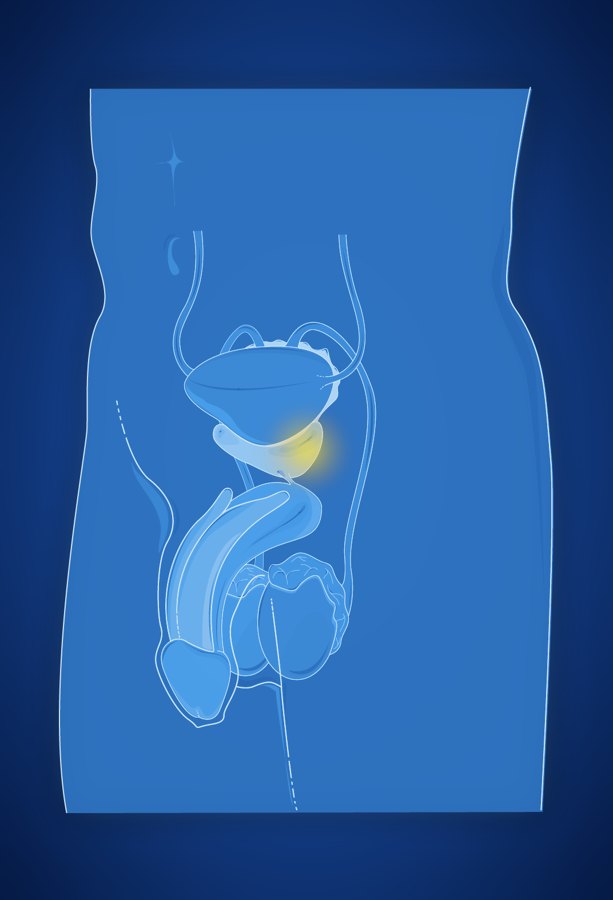
Prostatectomy is one of the most established robotic cancer procedures. The prostate and seminal vesicles are removed and the bladder is reconnected to the urethra, with lymph-node dissection in selected risk groups. Cancer control, continence and erectile function depend on stage, anatomy and surgeon experience.
Nerve-Sparing Prostatectomy
Neurovascular bundles may be preserved when oncologically safe. MRI, biopsy distribution, PSA/risk group and intraoperative findings guide the balance between functional preservation and margin risk. Nerve sparing should not compromise cancer clearance.
Continence After Robotic Prostatectomy
Urinary control usually improves over weeks to months. Pelvic-floor training and careful reconstruction can support recovery, but outcomes vary by age, baseline function and surgical factors. International patients should plan follow-up for persistent leakage.
Sexual Function After Prostatectomy
Erectile recovery depends on preoperative function, age, nerve preservation and rehabilitation. Recovery can take many months. Patients should receive realistic expectations rather than guaranteed potency claims.
Robotic Partial Nephrectomy
For suitable kidney tumours, partial nephrectomy removes the tumour while preserving uninvolved kidney. Robotic suturing can facilitate complex renal reconstruction. Tumour size/location, renal function and surgeon experience determine suitability.
Robotic Radical Nephrectomy
When kidney preservation is not appropriate, the kidney may be removed robotically in selected patients. Large locally invasive tumours or venous tumour thrombus can require open surgery. The least invasive approach must still achieve oncologic control.
Renal Tumour Complexity for International Patients in India for Robotic Cancer Surgery
Nephrometry systems describe tumour size, depth and proximity to vessels/collecting system. Complex central tumours can be technically demanding for partial nephrectomy. A second opinion can clarify whether kidney preservation is feasible.
Robotic Cystectomy
Bladder removal for muscle-invasive or selected high-risk bladder cancer can be performed robotically at experienced centres, with pelvic lymph-node dissection and urinary diversion. The urinary reconstruction is a major component of recovery.
Urinary Diversion
Ileal conduit, continent reservoir or neobladder options depend on cancer, kidney function, anatomy and patient ability. Diversion may be constructed intracorporeally or extracorporeally. Patients require detailed stoma or neobladder education.
Colorectal and Gynaecological Cancers
Robotic Colorectal Cancer Surgery
Robotic colectomy and rectal surgery can provide precise mesocolic/mesorectal dissection and facilitate pelvic work. Rectal cancer treatment sequence must first be determined by MRI stage and multidisciplinary review. Many rectal cancers require neoadjuvant therapy before surgery.
Total Mesorectal Excision
TME removes the rectum with its mesorectal envelope along embryological planes and is fundamental to curative rectal cancer surgery. Robotic access can aid deep pelvic dissection. Circumferential margin and specimen quality matter more than platform.
Sphincter-Preserving Rectal Surgery
Low rectal tumours may sometimes be removed while preserving the anal sphincter. Oncologic margin, sphincter involvement and expected function determine feasibility. A temporary diverting stoma may still be needed.
Robotic Gynaecological Cancer Surgery
Robotic hysterectomy, staging and selected nodal procedures are used in endometrial and other gynaecological cancers. Suitability varies by tumour type, stage and current evidence. Minimally invasive radical hysterectomy is not automatically appropriate for cervical cancer.
Endometrial Cancer
Many apparent early-stage endometrial cancers can be staged minimally invasively, including hysterectomy, salpingo-oophorectomy and sentinel-node mapping when appropriate. Molecular/pathological risk influences adjuvant therapy.
Ovarian Cancer
The priority in ovarian cancer is complete cytoreduction when feasible. Extensive disease often requires open multivisceral surgery; robotic surgery has a more selective role in staging or carefully chosen interval/recurrent cases. Minimally invasive access should never reduce completeness of cytoreduction.
Thoracic, Head-Neck, Pancreatic, Liver and Upper-GI Cancers
Robotic Thoracic Surgery for International Patients in India
Robotic lobectomy, segmentectomy and mediastinal procedures can treat selected lung and thymic tumours. Articulated instruments facilitate hilar and mediastinal dissection. Preoperative pulmonary assessment and nodal staging remain essential.
Robotic Lobectomy
For suitable early-stage lung cancer, robotic lobectomy can provide oncologically sound anatomical resection with lymph-node assessment and potentially faster early recovery. Large central tumours or major vascular invasion may require open thoracotomy.
Robotic Segmentectomy
Anatomical segmentectomy is increasingly used for selected small peripheral lung cancers and patients where lung preservation is desirable. Precise identification of segmental vessels and bronchi is essential. Not every small lung tumour is appropriate for wedge resection or segmentectomy.
Robotic Thymectomy
Thymic tumours and thymectomy for selected myasthenia patients can be approached robotically. Tumour invasion into major vessels/pericardium may require more extensive surgery. Oncologic capsule integrity is important in thymoma.
Transoral Robotic Surgery - TORS
TORS provides minimally invasive access to selected oropharyngeal and supraglottic tumours through the mouth. It can avoid mandibulotomy or large external approaches in suitable patients. Bleeding risk, airway management and swallowing rehabilitation require specialized expertise.
Robotic Thyroid Surgery
Remote-access robotic thyroidectomy can avoid a visible neck scar in carefully selected patients, but it involves larger tissue dissection and is not required for standard oncologic thyroid surgery. Cancer safety and nodal requirements take priority over scar location.
Robotic Pancreatic Surgery
Robotic distal pancreatectomy and selected pancreaticoduodenectomy are performed at specialized high-volume centres. These are technically complex operations with risks of pancreatic fistula and major complications. Open surgery remains appropriate for many pancreatic cancers.
Robotic Whipple Procedure
Robotic pancreaticoduodenectomy combines complex resection and reconstruction. It should be undertaken only by teams with substantial pancreatic and robotic experience. The operation's oncologic and complication outcomes matter more than access route.
Robotic Liver Surgery
Selected liver resections can be performed robotically, particularly lesions accessible without major vascular reconstruction. Liver reserve and tumour distribution determine resectability. Complex hilar or vascular cases may be better managed open.
Robotic Gastric Cancer Surgery for International Patients in India
Robotic gastrectomy can facilitate lymph-node dissection and reconstruction in experienced hands. The required D2 nodal strategy and multimodality treatment depend on stage. A robotic approach should not reduce lymphadenectomy quality.
Robotic Oesophageal Surgery
Robot-assisted minimally invasive oesophagectomy is used at specialized centres and can facilitate mediastinal dissection. Pulmonary complications, anastomotic leak and nutrition remain major concerns. Many patients require neoadjuvant therapy first.
Robotic Adrenal and Retroperitoneal Tumours
Selected adrenal and retroperitoneal lesions can be approached robotically. Suspected adrenocortical carcinoma with invasion may require open en-bloc resection to avoid tumour disruption. Preoperative hormonal evaluation is essential for adrenal masses.
Robotic Surgery by Cancer at a Glance
| Cancer | Where the robot is commonly used | Key point before travel |
|---|---|---|
| Prostate | Radical prostatectomy with selected nerve sparing and nodes | Continence and erectile recovery depend on stage, anatomy and surgeon experience |
| Kidney and bladder | Partial or radical nephrectomy; cystectomy with diversion | Tumour complexity, renal function and urinary reconstruction |
| Colorectal and rectal | Colectomy, TME and sphincter preservation | MRI staging and neoadjuvant treatment decisions come first |
| Gynaecological | Endometrial staging, selected nodal procedures | Not automatically appropriate for cervical cancer; ovarian cytoreduction needs completeness |
| Lung and thymus | Lobectomy, segmentectomy, thymectomy | Nodal staging and pulmonary assessment |
| Head and neck, thyroid | TORS and selected remote-access thyroid surgery | Airway, bleeding and swallowing expertise; cancer safety over scar location |
| Pancreas, liver, stomach, oesophagus | Selected resections at high-volume centres | Complications are serious; open surgery remains appropriate for many |
Special Situations, Recovery and Complications for International Patients in India for Robotic Cancer Surgery
Robotic Surgery After Chemotherapy
Neoadjuvant treatment can shrink tumours and improve resectability but may also cause fibrosis. Restaging should determine whether minimally invasive surgery remains appropriate. Response on imaging does not replace oncologic surgical principles.
Robotic Surgery After Radiotherapy
Radiation can cause fibrosis and altered tissue planes, making dissection more difficult. Robotic magnification may help in selected cases, but salvage surgery carries increased complication risk. Experience in post-radiation surgery is particularly important.
Robotic Surgery for Recurrent Cancer
Selected local recurrences can be resected robotically when disease is limited and anatomy permits. Previous surgery/radiation often increases adhesions and risk. A minimally invasive plan should include readiness for open conversion.
Robotic Surgery in Obesity
Robotic instruments can facilitate pelvic and deep abdominal surgery in some obese patients, but obesity also increases anaesthetic, thrombotic and wound risks. Weight alone does not determine approach.
Anaesthesia and Positioning
Robotic surgery often requires steep Trendelenburg, lateral positioning or one-lung ventilation depending on procedure. Cardiopulmonary fitness must tolerate the planned position and pneumoperitoneum. Long complex procedures require careful pressure-area and nerve protection.
Blood Loss and Transfusion
Many robotic procedures have lower average blood loss than comparable open operations, but major bleeding can still occur. Cross-matched blood and emergency conversion capability remain necessary. Low average blood loss should not be advertised as zero transfusion risk.
Pain and Early Recovery for International Patients in India for Robotic Cancer Surgery
Smaller incisions often reduce wound pain and allow earlier mobilization, feeding and discharge. Internal healing still takes weeks. Patients should not equate early discharge with complete recovery.
Enhanced Recovery Pathways
ERAS protocols combine multimodal analgesia, early feeding, mobilization and reduced unnecessary tubes. They can shorten recovery after both robotic and open cancer surgery. Protocol adherence matters more than the robot alone.
Complications
Risks include bleeding, infection, blood clots, organ injury, anastomotic leak, urinary complications and procedure-specific problems. Robotic surgery changes some risk profiles but does not eliminate major complications. Patients need a clear rescue plan.
Port-Site and Incisional Issues
Small trocar incisions can still develop infection, bleeding or hernia. Tumour seeding at port sites is uncommon when oncologic technique is appropriate. Specimen extraction requires protected handling.
Preparing Yourself Before Cancer Surgery (Prehab)
Surgery is easier to recover from when you arrive well prepared. Always agree what is appropriate with your surgical team, and never let preparation delay urgent cancer treatment:
- Gentle, regular activity such as daily walking, as advised by your team
- A dietitian review and enough protein and calories to avoid weight and muscle loss
- Stopping smoking and limiting alcohol, which lowers complication risk
- Treating anaemia, infections and other medical problems that could affect anaesthesia
- Breathing exercises before chest or abdominal surgery
- Pelvic-floor exercises before prostate surgery, if your team recommends them
- A medicine review, including blood thinners, diabetes medicines, supplements and herbal products
- Stoma education and marking before bowel or bladder surgery, if a stoma is possible
- Practical and emotional support arranged for you and your companion
Preparation should never delay urgent cancer treatment. Your team will tell you if time is critical.
Around Robotic Cancer Surgery: What to Expect
| Stage | What usually happens |
|---|---|
| Before surgery | Pathology and imaging review, restaging, tumour-board plan, anaesthetic and fitness assessment, bowel or other preparation if needed, consent including open conversion |
| Day of surgery | Positioning, small incisions, robotic dissection and reconstruction, specimen removal through an extraction incision, with ICU or high-dependency care if planned |
| Hospital stay | Early walking, pain control and feeding under an enhanced-recovery pathway; drains, catheters or stoma teaching depending on the operation |
| Early recovery in India | Wound and complication checks, final pathology review, the adjuvant-treatment decision and a fit-to-fly assessment |
| After you return home | Wound and stoma care, rehabilitation, adjuvant treatment where needed and a written surveillance schedule |
Surgeon Experience, Technology and Choosing Your Team
Learning Curve
Robotic cancer procedures have procedure-specific learning curves. Outcomes generally improve as the surgeon and team gain experience with the exact operation. Ask for procedure volume, not simply years of robotic access.
Surgeon Volume vs Hospital Robot Volume
A hospital may perform many robotic cases across specialties while an individual surgeon performs few of the patient's exact operation. Disease-specific surgeon experience is more relevant. Complex cases also depend on the bedside team and anaesthesia/ICU.
Multiport vs Single-Port Robotic Systems
Different platforms use multiple ports or specialized single-port access. Each has technical advantages for selected procedures, but long-term cancer outcome is driven by appropriate resection rather than port number. Do not select a surgeon solely by platform generation.
Fluorescence Imaging for International Patients in India for Robotic Cancer Surgery
Near-infrared fluorescence can help visualize perfusion, bile ducts, vessels or selected lymphatic structures during robotic surgery. It is an adjunct, not a substitute for surgical judgement. Applications vary by operation.
Sentinel-Node Mapping
Fluorescent tracers can assist sentinel-node identification in selected gynaecological and other cancers. Sentinel-node strategies should follow disease-specific protocols. Not all cancers are suitable for sentinel-node-only surgery.
Robotic Reconstruction
The platform can facilitate intracorporeal suturing for urinary, gastrointestinal and other reconstruction. Precise reconstruction can support recovery, but leaks/strictures remain possible. Long-term function should be discussed before surgery.
Pathology After Robotic Cancer Surgery
The final specimen determines tumour size, grade, margins, nodes and treatment response. These findings can change the need for chemotherapy, radiation or systemic therapy. International patients should obtain the complete final pathology before departure when possible.
Need for Adjuvant Therapy
A successful robotic operation does not mean treatment is complete. Depending on pathology, patients may need chemotherapy, endocrine therapy, targeted therapy, immunotherapy or radiation. The postoperative oncology plan should be documented before return home.
Choosing a Robotic Cancer Surgeon in India
Look for organ-specific cancer expertise, substantial experience with the exact robotic operation, willingness to use open surgery when appropriate, and transparent complication/conversion management. Ask how often the surgeon performs the operation, not just whether they are robot-certified.
Choosing the Hospital
A strong programme needs pathology, radiology, medical/radiation oncology, anaesthesia, ICU, blood bank, interventional radiology and open surgical backup. Complex robotic surgery should not occur in isolation from comprehensive cancer care. Tumour-board review is valuable when treatment sequence is uncertain.
Major Robotic Oncology Hubs in India
Delhi NCR, Mumbai, Chennai, Bengaluru, Hyderabad and other tertiary centres have mature robotic surgery programmes across urology, colorectal, gynaecology, thoracic and selected upper-GI/head-neck oncology. The best destination depends on the specific operation and surgeon, not merely the city.
Warning Signs of an Unreliable Offer
Medical travel works best when the information you receive is specific, itemized and clinically sensible. Be cautious if you see any of the following:
Red Flags
- A fixed price or surgery date quoted without review of your actual pathology and scans
- A robot offered as the main selling point, with no explanation of why it suits your cancer
- No answer to how many of your exact operation the surgeon has performed, or what the conversion rate is
- Pressure to avoid open surgery even when the tumour may need it
- No discussion of margins, lymph nodes or whether chemotherapy or radiation should come first
- Promises of a 'cure', 'guaranteed' results, 'no blood loss' or 'risk-free' surgery
- A complex operation at a centre without ICU, blood bank, pathology or open surgical backup
- Pressure to decide or pay quickly for a condition that is not an emergency
- No itemized estimate, or unclear exclusions for ICU, reconstruction, stoma supplies, conversion or complications
- No plan for final pathology, adjuvant treatment or follow-up after you return home
What a Good International Patient Service Should Provide
A well-run programme should make the journey easier at every stage:
- A named coordinator and a direct line to the clinical team before you travel
- Review of your actual pathology and images by the operating surgeon, and a written preliminary opinion covering whether surgery is right, the approach and the expected follow-on treatment
- Honest discussion of alternatives, including laparoscopic or open surgery, treatment before surgery, treatment closer to home and whether travel is necessary at all
- An itemized written estimate that names the operation, robotic consumables, nodes, reconstruction, ICU, inclusions and exclusions
- A hospital letter for your medical visa application, and guidance for attendant visas
- Airport pick-up, assistance on arrival and accommodation near the hospital
- Interpreter support where needed
- Final pathology, operative report, discharge summary, wound or stoma plan and a written surveillance schedule
- A defined follow-up pathway after you return home, including teleconsultations with the operating team
Cost, Packages and Quotations for International Patients in India for Robotic Cancer Surgery
Indicative Robotic Cancer Surgery Costs in India
| Robotic Cancer Procedure | Broad International-Patient Planning Range |
|---|---|
| Robotic radical prostatectomy | Approx. US$6,000-10,000 |
| Robotic partial / radical nephrectomy | Approx. US$6,000-11,000 |
| Robotic colorectal / rectal cancer surgery | Approx. US$7,000-12,000 |
| Robotic hysterectomy / gynaecological staging | Approx. US$5,500-10,000 |
| Robotic lung lobectomy / segmentectomy | Approx. US$7,000-13,000 |
| Transoral robotic cancer surgery | Approx. US$7,000-14,000+ |
| Robotic gastrectomy / oesophagectomy | Approx. US$8,000-16,000+ |
| Robotic pancreatic / complex HPB surgery | Approx. US$10,000-20,000+ |
| Complex / recurrent multivisceral robotic surgery | Approx. US$12,000-25,000+ |
These are broad private international-patient planning estimates, not guaranteed tariffs. Robotic consumables, operating time, ICU use, reconstruction, implants/stents, complications, pathology and conversion to open surgery can materially alter cost.
What a Robotic Surgery Package Should Include for International Patients in India
Request the exact planned operation, surgeon/team, robotic system/consumables, anaesthesia, operating theatre, ICU/ward assumptions, pathology, lymph-node dissection, routine disposables and postoperative review. Clarify whether reconstruction, stoma supplies, ureteric stents or other procedure-specific items are included.
Factors That Increase Robotic Cancer Surgery Cost
Longer operating time, multivisceral resection, complex reconstruction, ICU care, blood products, high-cost disposables, conversion to open surgery and postoperative complications increase total expenditure. A low package price should not encourage an oncologically smaller operation.
Robotic Cancer Surgery Cost - India vs USA, UK and Australia
| Representative Procedure | India | USA | UK Private | Australia Private | Approx. India Saving* |
|---|---|---|---|---|---|
| Robotic prostate /kidney surgery | $6k-11k | $35k-90k+ | $20k-40k+ | $25k-45k+ | Approx. 45-93% |
| Robotic colorectal /gyn surgery | $6k-12k | $40k-100k+ | $22k-45k+ | $25k-50k+ | Approx. 45-94% |
| Robotic thoracic surgery | $7k-13k | $50k-120k+ | $25k-50k+ | $30k-60k+ | Approx. 45-94% |
| Complex robotic HPB | |||||
| / upper GI | $10k-20k+ | $70k-150k+ | $35k-65k+ | $40k-75k+ | Approx. 40-93% |
*Broad private/self-pay planning comparisons only. Exact savings require the same operation, cancer stage, reconstruction and hospital assumptions. Publicly funded pathways abroad are not directly comparable.
Budgeting for the Whole Pathway, Not Just the Operation
The operation is only one part of the budget. Ask for the treatment quotation, then add:
- Return flights for you and your companion, with flexibility to change dates if recovery or pathology extends the stay
- Accommodation near the hospital for the whole stay, commonly about 2-4 weeks and longer for complex cases
- Meals, local transport and airport transfers
- Visa fees, travel insurance and any attendant visa costs
- Adjuvant chemotherapy, radiation or other treatment, and follow-up scans and tests
- Rehabilitation, stoma supplies and nutrition support after surgery
- A contingency fund for a longer stay, conversion to open surgery, ICU care or complications
Robotic Cancer Surgery Quotation Comparison Table
| Item | Centre A | Centre B |
|---|---|---|
| Cancer / stage | ||
| Planned operation | ||
| Reason for robotic approach | ||
| Surgeon procedure volume | ||
| Robotic consumables | ||
| Lymph-node dissection | ||
| Reconstruction / stoma | ||
| ICU / ward nights | ||
| Pathology | ||
| Open conversion policy | ||
| Complication exclusions | ||
| Adjuvant plan | ||
| Expected India stay | ||
| Total package |
Your Journey: Records, Travel, Visa and Going Home for International Patients in India for Robotic Cancer Surgery
Remote Case Review Before Travel
Send pathology, CT/MRI/PET images, endoscopy where relevant, prior operative reports and details of chemotherapy/radiotherapy. The surgeon should review images personally to assess resectability and whether robotic access is appropriate. A remote opinion should include the possibility of open surgery when clinically relevant.
Records Checklist
- Biopsy and pathology reports; slides or blocks if available
- CT, MRI and PET images, not only reports
- Endoscopy reports where relevant
- Prior operative reports
- Chemotherapy and radiotherapy history
- Recent blood tests, medicine list and allergies
- Other conditions, previous surgery and anaesthetic history
- Current symptoms, weight and passport copy
Questions the Pre-Travel Opinion Should Answer
Is surgery the correct next treatment? Is the tumour resectable? Why robotic rather than laparoscopic/open? What organs and nodes will be removed? What is the conversion threshold? Will reconstruction/stoma be needed? What treatment follows surgery? These questions are more important than the robot model.
International Patient Treatment Journey
1) Remote pathology/imaging review. 2) multidisciplinary sequencing. 3) select surgeon/approach. 4) travel and restaging/pre-anaesthetic assessment. 5) robotic surgery. 6) early mobilization/ERAS. 7) final pathology. 8) adjuvant-treatment decision. 9) fit-to-fly. 10) structured home follow-up. Do not schedule departure before final pathology if it will determine immediate next treatment.
How Long to Stay in India
Many uncomplicated robotic cancer operations require several hospital days and roughly 2-4 weeks in India including early recovery. Complex thoracic, oesophageal, pancreatic, recurrent or multivisceral cases may require substantially longer. Return timing should depend on healing and complication risk rather than incision size.
Flying After Robotic Cancer Surgery
Long-haul travel increases thrombosis risk after cancer surgery. Fitness depends on operation, mobility, anaemia, oxygenation, drains/stomas, nutrition and complications. Patients should walk, hydrate and follow individualized thrombosis-prevention advice. Recent thoracic surgery requires particular attention to residual pneumothorax/air leak.
Airline and Travel Practicalities After Cancer Surgery for International Patients in India
Airline rules differ, so confirm each point with your airline before you fly:
| Topic | What to arrange |
|---|---|
| Fit-to-fly letter | Ask your surgeon for written clearance stating the diagnosis, operation and date, and carry it in hand luggage; some airlines require a medical form after recent surgery |
| Blood clots | Cancer surgery raises clot risk; ask whether compression stockings or blood-thinning injections are needed, and walk and hydrate regularly in flight |
| Wounds, drains and catheters | Confirm that drains and catheters have been removed or are safe for travel; carry dressings and wound-care instructions |
| Stoma supplies | Pack plenty of spare bags and supplies in hand luggage, and allow for gas expansion in the cabin |
| Lung surgery | Ask for a chest X-ray before flying to rule out a residual air collection or air leak |
| Lifting and luggage | Avoid lifting heavy bags early in recovery; ask for help or use a trolley |
| Medicines | Keep all medicines, injections and painkillers in hand luggage with a prescription list |
| Seat choice and assistance | An aisle seat helps movement and toilet access; request wheelchair or airport assistance if you tire easily |
| Records | Carry the pathology report, operative report, discharge summary and contact details of the operating team in case of a problem on the journey |
| Flexible tickets | Book a flexible return so that a delay in healing or a pathology result does not mean losing money on a fixed date |
| Insurance | Check what travel insurance covers for surgery-related complications |
Accommodation and Companion
A companion is strongly advisable after major cancer surgery, for help with mobility, wound or stoma care, medicines and decisions. Accommodation should be close to the hospital for the first weeks so that wound, fever or other problems can be reviewed promptly.
Medical Visa and Travel Planning
Confirm current Indian medical-visa requirements through official channels, including the attendant visa for your companion. Carry the hospital invitation, a medical summary, your pathology and imaging and your medicines, and keep the visa duration and return travel flexible in case recovery or further treatment takes longer than planned.
Continuing Cancer Treatment at Home
Obtain final pathology, operative report, discharge summary and tumour-board/adjuvant recommendation. If chemotherapy or radiation will continue locally, ensure the home oncologist receives complete staging and treatment details. A robotic operation is one step in a multimodality pathway for many cancers.
Postoperative Functional Rehabilitation
Pelvic-floor rehabilitation after prostatectomy, stoma education after colorectal/bladder surgery, respiratory rehabilitation after lung surgery and nutrition after upper-GI surgery can materially affect recovery. International planning should include these needs before departure.
Post-Return Follow-Up
Provide the home team with pathology, margin/node status, operative report, medication list, wound/stoma plan and surveillance schedule. Teleconsultation with the Indian surgeon can complement but should not replace local examination when problems arise. Clear responsibility for adjuvant treatment should be established.
Arranging Your Follow-Up Care at Home Before You Leave
Cancer care continues after surgery, so set up your home team before you travel and confirm it again before you fly home:
| Who | Role |
|---|---|
| Local medical oncologist | Takes over adjuvant chemotherapy, targeted, immune or hormonal therapy and monitors blood tests and side effects |
| Local surgeon or urologist/gynaecologist | Reviews the wound, urinary or bowel function and any complication, using your operative report |
| Radiation oncologist | Plans any adjuvant radiation, using the pathology and operative records |
| Imaging and laboratory service | Carries out the scheduled surveillance scans and blood tests |
| Stoma, continence and rehabilitation services | Support stoma care, pelvic-floor recovery, breathing and nutrition |
| General practitioner | Coordinates care, general health, medicines and referrals |
| Overseas operating team | Teleconsultations, review of reports and advice on the plan |
Hand-over Checklist
- Written fit-to-fly clearance
- Final pathology with margin and node status
- Operative report and discharge summary
- Adjuvant-treatment recommendation
- Wound and stoma plan
- Medicine list, including blood thinners
- Rehabilitation and nutrition instructions
- Surveillance schedule and next appointments
- Home oncologist and surgeon details
- Warning signs and emergency plan
Warning Signs
Urgent assessment is required for high fever, increasing abdominal/chest pain, breathlessness, uncontrolled bleeding, persistent vomiting, inability to eat/drink, reduced urine output, wound drainage, leg swelling or new neurological symptoms. Emergency symptoms require local evaluation rather than waiting for overseas advice.
Do Not Wait for an Overseas Reply
High fever, severe or worsening abdominal or chest pain, breathlessness, heavy bleeding, a swollen or painful leg, persistent vomiting, a wound that opens or discharges pus, or very little urine needs emergency care where you are. Tell the emergency team you have had cancer surgery, show your operative report, and contact your operating team afterwards.
Tools: Questions, Candidacy, FAQ and Checklist for International Patients in India for Robotic Cancer Surgery
Twenty Questions to Ask the Robotic Cancer Surgeon
- 1Is surgery the correct next treatment for my cancer?
- 2What is my stage and resectability?
- 3Why do you recommend robotic rather than open/laparoscopic surgery?
- 4How many of this exact robotic cancer operation do you perform?
- 5What organs will be removed?
- 6What lymph-node dissection is planned?
- 7What margin is required?
- 8Is organ or nerve preservation oncologically safe?
- 9What is your threshold for converting to open surgery?
- 10How often do you convert for this procedure?
- 11Will reconstruction or a stoma be required?
- 12What are the major procedure-specific complications?
- 13How is a major bleed or leak managed?
- 14Will ICU care be routine or only if needed?
- 15What final pathology findings could change treatment?
- 16Will I need chemotherapy or radiation afterward?
- 17What exactly is included in the quotation?
- 18How long should I remain in India?
- 19When can I safely fly home?
- 20Who will manage follow-up and complications after I return?
Who Is a Good Candidate for Robotic Cancer Surgery?
A strong candidate has a tumour for which minimally invasive resection can achieve the same oncologic objectives as open surgery, anatomy that permits safe access, and medical fitness for pneumoperitoneum/positioning. The surgeon should expect a meaningful technical or recovery advantage without compromising margins or lymph-node treatment.
When Robotic Surgery Should Not Be Forced
Robotic surgery should not be pursued merely because the patient travelled for it. Extensive vascular invasion, bulky multivisceral disease, unstable bleeding, severe adhesions or an inability to obtain an adequate margin may make open surgery safer and more oncologically appropriate.
When Travel Must Not Delay Emergency Cancer Care for International Patients in India for Robotic Cancer Surgery
Major bleeding, bowel obstruction or perforation, airway compromise, neutropenic sepsis, spinal cord compression and other oncological emergencies require immediate local stabilization. International transfer should occur only when it is medically safe.
Frequently Asked Questions for International Patients in India about Robotic Cancer Surgery
1. Does the robot perform the cancer surgery itself?
No. The surgeon controls every instrument movement.
2. Is robotic surgery always better than open surgery?
No. The best approach depends on cancer, anatomy, complexity and surgeon expertise.
3. Does robotic surgery cure cancer better?
Not inherently. Cancer control depends on appropriate resection, margins, nodes and multimodality treatment.
4. What are the main advantages?
For selected procedures: smaller incisions, less blood loss, precise dissection and faster early recovery.
5. Can robotic surgery be converted to open surgery?
Yes. Conversion is appropriate when safety or oncologic completeness requires it.
6. Is robotic prostatectomy commonly performed?
Yes. It is one of the most established robotic oncology procedures.
7. Can kidney cancer be treated robotically?
Yes. Partial or radical nephrectomy can be robotic in suitable cases.
8. Can rectal cancer be treated robotically?
Yes in selected patients, but MRI staging and neoadjuvant treatment decisions come first.
9. Is robotic surgery suitable for ovarian cancer?
Only selectively; extensive cytoreduction often requires open surgery.
10. Can lung cancer surgery be robotic?
Yes. Selected lobectomy and segmentectomy procedures can be performed robotically.
11. What is TORS?
Transoral robotic surgery provides minimally invasive access to selected throat/oropharyngeal tumours.
12. What does robotic cancer surgery cost in India?
Many major procedures broadly fall around US$6,000-15,000; complex operations can be higher.
13. How much can India save?
Broad private comparisons often show approximately 40-90% savings depending on procedure and country.
14. Does robotic surgery mean no pain?
No. Pain may be reduced compared with larger open incisions, but internal healing still occurs.
15. Will I leave hospital sooner?
Often, but discharge depends on the specific organ surgery and recovery.
16. How long should I stay in India?
Commonly around 2-4 weeks for uncomplicated major surgery; complex procedures may require longer.
17. Can I fly soon after surgery?
Only after the team assesses healing, mobility, thrombosis risk and procedure-specific issues.
18. Do I still need chemotherapy or radiation?
Possibly. Final pathology and stage determine additional treatment.
19. What records should I send before travel?
Pathology, imaging, endoscopy where relevant and all previous treatment/operation records.
20. What matters most when choosing a robotic surgeon?
High experience with the exact cancer operation and willingness to choose another approach when it is safer.
21. Can I travel on my own for robotic cancer surgery?
After major surgery a companion is strongly advisable. Fatigue, wound or stoma care, lifting limits and medicines make managing alone harder, and a companion helps with decisions and logistics.
22. What if I am told the operation must be converted to open surgery?
Conversion is a safety and cancer-control decision, not a failure. Discuss it at consent, accept that it can happen, and ask how it would change your hospital stay and cost.
23. Should I choose robotic surgery just because it is newer?
No. Choose the disease-specific surgeon and the right cancer operation first. A well-performed open or laparoscopic operation can be the better option for your tumour.
24. Can my home oncologist follow me after surgery?
Often yes, but only if they have agreed in advance and received the full pathology, operative report and adjuvant recommendation. Confirm this before you leave India.
Robotic Cancer Surgery Checklist for International Patients in India
Diagnosis
- Pathology confirmed
- Stage established
- Imaging reviewed by surgeon
- Resectability defined
- Neoadjuvant therapy considered
- Recent blood tests
Robotic decision
- Clinical advantage stated
- Open/laparoscopic alternatives discussed
- Margins planned
- Node strategy
- Conversion criteria
- Reconstruction/stoma
Surgeon / hospital
- Disease-specific surgeon
- Exact robotic procedure volume
- Comprehensive oncology
- Anaesthesia
- ICU
- Blood bank
- Open surgical backup
Cost
- Robotic consumables
- Surgeon/team
- Operating theatre
- ICU/ward
- Pathology
- Reconstruction
- Stoma/implants
- Complication exclusions
Travel
- Medical visa
- Attendant
- Flexible return
- Accommodation
- Thrombosis precautions
- Nutrition
- Rehabilitation
Before return
- Final pathology
- Operative report
- Discharge summary
- Wound/stoma plan
- Medication
- Adjuvant recommendation
- Fit-to-fly
- Surveillance schedule
- Home oncologist
Final Perspective
Robotic surgery has become an important tool in modern surgical oncology because it can make difficult minimally invasive dissection and reconstruction more precise. Its greatest benefits are procedure-specific: deep pelvic urology and colorectal surgery, selected gynaecological and thoracic operations, and carefully chosen head-neck, upper-GI and HPB procedures.
India offers mature robotic oncology programmes at major tertiary centres and can provide substantial private self-pay savings. International patients should choose the disease-specific surgeon and oncologic plan first, and the robotic platform second. The safest robotic surgeon is also one who knows when not to use the robot.
Send your pathology, CT/MRI/PET images, endoscopy where relevant, prior operative reports and details of any chemotherapy or radiotherapy. You will receive a preliminary opinion covering whether surgery is the right next treatment, whether robotic, laparoscopic or open access suits you, the likely operation, the stay in India, an itemized cost estimate and a follow-up plan, so you can decide with a clear picture in hand.
Sources
- 1. American Cancer Society - Surgery for Prostate Cancer: https://www.cancer.org/cancer/types/prostate-cancer/treating/surgery.html
- 2. Mayo Clinic - Robotic prostatectomy: https://www.mayoclinic.org/tests-procedures/robotic-prostatectomy/about/pac-20589143
- 3. Government of India - Indian Visa Online (e-Medical Visa and e-Medical Attendant Visa): https://indianvisaonline.gov.in/evisa/
Important Medical Note. This guide provides general educational information and does not replace individualized assessment by a qualified surgical oncologist and multidisciplinary cancer team. Operability, surgical approach, robotic suitability, margins, lymph-node treatment, need for chemotherapy/radiotherapy, cost and travel timing must be determined from the patient's pathology, stage, imaging, medical fitness and treatment goals.