
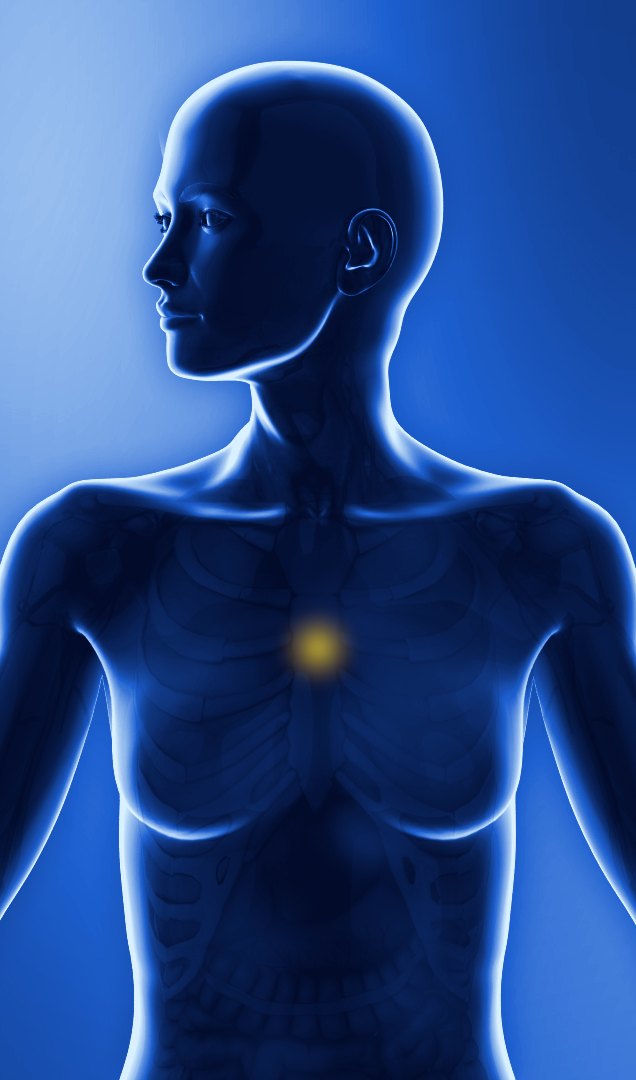
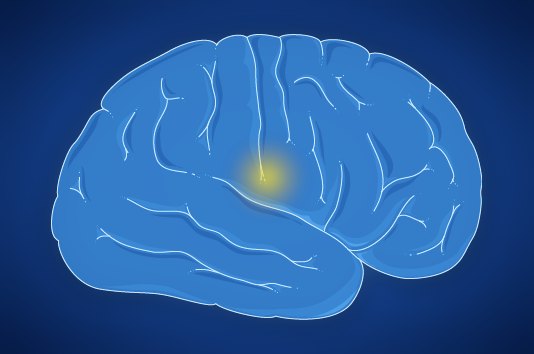

Proton therapy is an advanced form of external-beam radiotherapy that uses charged particles rather than conventional X-rays. Its principal advantage is physical: protons can deposit a large proportion of their energy at a selected depth and then stop, reducing exit dose beyond the target.
This can lower radiation exposure to healthy tissues in carefully selected patients.
The key word is selected. Proton therapy is not automatically more effective than modern photon radiotherapy such as IMRT or VMAT, and it does not make an unsuitable radiation indication appropriate. Its greatest value is often reducing unnecessary dose to normal organs while still delivering the tumour dose required for cancer control.
For an international patient considering India, the decision should ideally be based on the actual anatomy and treatment plan. Where the benefit is uncertain, a comparative photon-versus-proton planning exercise can show whether protons meaningfully reduce dose to the brain, spinal cord, heart, lungs, bowel, kidneys, endocrine organs, growing tissues or other critical structures.
If you or your child has been offered proton therapy, you may be weighing a very large expense against a promise that is easy to misunderstand. This guide is written to help you ask what advantage protons offer in your specific case, compare that with an excellent photon plan and organise the journey if protons are the right choice. It does not promise outcomes; every cancer and every patient is different.
Short Answer: Is India a Good Option for Proton Therapy?
For carefully selected patients, it can be. India has developed proton capability within major oncology programmes, and private self-pay prices are often lower than in the USA, UK and Australia, though the saving is smaller than for surgery because the equipment is so costly. The first question is clinical: does a proton plan give a clinically meaningful advantage over an excellent IMRT or VMAT plan in your anatomy? The strongest cases include selected children, craniospinal treatment, skull-base and central nervous system tumours and re-irradiation. For many cancers, photons are equally appropriate. Availability and machine schedules are limited, so confirm dates before travel. Urgent cancer emergencies need local care first. Begin with a remote review of your pathology, scans and any previous radiation data, and ask for a comparative plan if the benefit is uncertain.
Quick Facts - Proton Therapy for International Patients in India
| Topic | International-Patient Planning Point |
|---|---|
| What it uses | High-energy protons rather than X-ray photons |
| Main physical advantage | Reduced exit dose beyond the target in suitable beam arrangements |
| Modern delivery | Pencil-beam scanning and intensity-modulated proton therapy (IMPT) |
| Strongest use cases | Selected paediatric, skull-base, CNS and re-irradiation cases; other sites are individualized |
| Not universally superior | High-quality IMRT/VMAT can be equally appropriate for many cancers |
| Planning | CT simulation, robust optimization and MRI/PET fusion when clinically useful |
| Special challenge | Proton range is sensitive to anatomy, density change and motion |
| Treatment length | From a few fractions in selected protocols to 5-7+ weeks for conventional fractionation |
| India planning cost | Broadly about US$25,000-45,000+ for many complete courses; case dependent |
| Records to send | Pathology, staging images, operative reports, prior treatment and complete prior radiation data if re-irradiation |
| Major Indian hubs | A small number of major oncology programmes with proton capability; confirm centre, machine and dates before travel |
| Companion | Strongly advisable, and essential for children, who also need a parent or guardian throughout |
Key principle: The correct question is not simply 'Can proton therapy treat my cancer?' but 'Will proton therapy provide a clinically meaningful dosimetric or toxicity advantage over an excellent photon plan in my case?'
Why India, and How Protons Differ from Photons
Why Do International Patients Choose India for Proton Therapy?
Patients travel for proton therapy for practical reasons, and the strongest ones are about reaching a selective technology at a price that does not force a compromise on the plan:
- Lower cost. Private Indian hospitals often quote less than self-pay prices in the USA, UK, Australia and other high-cost markets, although the gap is narrower than for surgery or photon radiation because proton infrastructure is expensive everywhere.
- Proton capability within oncology programmes. Selected major centres combine proton therapy with surgery, systemic therapy, advanced imaging and paediatric oncology.
- Access. Patients for whom protons are unavailable, or whose home waiting time is long, can sometimes be scheduled once the records are reviewed.
- Multidisciplinary support. Radiation oncologists, physicists, anaesthesia and paediatric teams, surgeons and medical oncologists can work in the same hospital.
- Re-irradiation and complex cases. Some patients travel for a second opinion on whether protons can reduce dose to previously treated organs.
- International patient support and English-speaking teams. Major hospitals typically help with appointments, hospital letters for visas, airport pick-up and accommodation guidance.
- A plan you can test first. A remote review, and where useful a comparative photon-versus-proton plan, can show whether travel is worthwhile at all.
Emergencies Are Different
Sudden weakness or numbness in the legs, severe breathing difficulty, swelling of the face and neck, uncontrolled bleeding, severe headache with vomiting or confusion, a seizure, or fever during chemotherapy needs immediate local care. Do not delay emergency treatment to arrange international travel, and do not delay urgent radiation while waiting for a proton slot.
Patient Tip
Low cost should be the beginning of your evaluation, not the end of it. The sections that follow explain how to judge whether protons add real value, and how to check the team, the plan and the follow-up so that savings do not come at the expense of safety.
How Does India Compare with Other Medical Travel Destinations?
Many patients also look at other proton centres abroad before deciding. There is no single best country for every patient; the right choice depends on where you live, your diagnosis and what you can verify about the team and the programme. These are the factors worth comparing:
| Factor | What to compare | How India generally fares |
|---|---|---|
| Cost | The full itemized package: consultation, planning, all fractions, verification scans, replanning, anaesthesia and exclusions | Often lower than self-pay pricing in Western countries; the saving is narrower than for surgery, so compare like with like |
| Proton capability | Pencil-beam scanning and IMPT, robust optimization, image guidance and adaptive workflows | Available at selected centres; confirm the specific machine and its capabilities |
| Team experience | Experience of the radiation oncologist and physicists with your exact diagnosis and with proton planning | Major programmes offer experienced teams; always verify disease-specific proton experience |
| Paediatric support | Paediatric oncology, paediatric anaesthesia and family accommodation | Available at larger programmes; ask for details before committing |
| Availability and waiting time | How soon planning can start and whether schedules are reliable | Availability is more limited than for photons; confirm dates before travel |
| Language | Whether doctors, physicists and radiographers communicate easily with you | English is widely used by medical teams in major Indian hospitals |
| Distance and flight time | Length of the flight and the 5-8 weeks you may need to stay for a conventional course | Depends on where you live: relatively close for patients from South Asia, the Middle East and East Africa, and a long-haul journey from the Americas and parts of Europe |
| Visa | Visa type, processing time and attendant rules | India has a dedicated medical visa system with an attendant category; always confirm current rules for your nationality |
| Follow-up | Who will review side effects and surveillance after you return | Depends on the team; ask for a defined hand-over plan before you commit |
A Fair Way to Compare Destinations
- Ask every centre for the same itemized written plan (target, dose, fractions, planning, replanning, anaesthesia, exclusions).
- Compare the clinical reason for protons first and the price second.
- Ask whether a photon comparison has been done, and what it showed.
- Compare the total trip cost - treatment, flights, accommodation for the whole course, companion, local transport and a contingency buffer.
- Judge the radiation oncologist and physics team, not just the machine.
- Compare the follow-up plan: who will review side effects and surveillance imaging at home?
How Proton Therapy Differs From Photon Radiotherapy for International Patients in India
Conventional photons deposit dose as they enter the body, through the target and beyond it. Protons slow as they travel and can release a large amount of energy near the end of their range before stopping. This depth-dose behavior can reduce integral dose to uninvolved tissue.
The Bragg Peak
The Bragg peak describes the sharp rise in energy deposition near the end of a proton's path. By combining proton energies, clinicians create a treatment region that covers the tumour depth. The clinical plan is more complex than a single Bragg peak.
Why Reduced Exit Dose Matters
Lower dose to normal tissue may reduce acute toxicity, late organ damage and radiation-associated second-cancer risk. The potential importance is greatest in children and patients expected to live many years after treatment. Benefit depends on where critical organs lie relative to the target.
Pencil-Beam Scanning
Pencil-beam scanning magnetically steers a narrow proton beam across the target spot by spot and layer by layer. This allows sophisticated conformal treatment without passive scattering hardware. It is the basis of many contemporary proton programmes.
Intensity-Modulated Proton Therapy
IMPT optimizes intensities from multiple proton fields to sculpt dose around complex targets. It can produce substantial normal-tissue sparing but is sensitive to setup, range and anatomical changes. Robust optimization and image guidance are essential.
Passive-Scattering Proton Therapy
Older proton systems spread and shape the beam using scattering devices and compensators. They can still provide useful dose distributions, but pencil-beam scanning offers greater modulation in many situations. Patients should ask which technique is being proposed and why.
Proton Relative Biological Effectiveness
Clinical proton doses are commonly prescribed using an assumed relative biological effectiveness compared with photons. Biological effect can vary, especially near the end of range, and remains an area of active research. Dose planning incorporates established clinical conventions.
Proton Range Uncertainty
Protons stop at a calculated depth, making them sensitive to uncertainties in tissue density, patient setup and CT calibration. Robust planning adds safeguards against plausible variations. A sharp dose fall-off is beneficial only when range is reliably controlled.
Anatomical Change During Treatment for International Patients in India for Proton Therapy
Weight loss, tumour shrinkage, sinus filling, bowel gas or postoperative change can alter proton paths. Repeat imaging and adaptive replanning may be required. Head-neck and paediatric cases can change substantially during multiweek courses.
Protons and Photons at a Glance
| Feature | Photon radiotherapy (IMRT/VMAT) | Proton therapy |
|---|---|---|
| Dose behaviour | Dose enters, passes through the target and exits beyond it | Dose rises near the end of range and largely stops, with little exit dose |
| Main strength | Highly conformal, widely available, excellent for most cancers | Can lower dose to normal organs in selected anatomy |
| Main sensitivity | Setup and motion | Setup, tissue density, motion and range uncertainty |
| Availability | Wide | Limited and scheduled |
| Cost | Lower | Substantially higher |
| Best question to ask | Is the plan accurate and well delivered? | What clinically meaningful advantage does the proton plan add? |
Making the Remote Review Count
- Send the pathology report and staging scan images (not only reports), plus operative and chemotherapy records
- If you have had radiation before, send the treatment summary and, ideally, the DICOM RT plan, structures and dose files
- Include recent imaging, blood tests, current performance status and, for a child, growth and developmental details
- List other conditions, medicines, allergies and any pacemaker or implant
- Ask the team to explain why protons are expected to improve the plan, and whether a comparative photon plan is reasonable
Send your pathology, staging scans with images, operative reports, systemic-treatment history and, if you have had radiation before, the treatment summary and DICOM plan files. You will receive a preliminary opinion covering whether protons are expected to add a meaningful advantage over a photon plan, the likely technique, dose and fractions, the stay in India, an itemized cost estimate and a follow-up plan, so you can decide with a clear picture in hand.
Planning and Delivering Proton Treatment for International Patients in India
Respiratory Motion
Lung, liver and upper-abdominal tumours move with breathing. Motion can interact with scanned proton delivery and create dose heterogeneity if not managed. Four-dimensional CT, repainting, gating, breath-hold or other strategies may be used.
CT Simulation
Planning CT is performed in a reproducible treatment position with appropriate immobilization. Thin-slice imaging and careful density calibration support range calculation. Contrast may help define anatomy but requires planning considerations.
MRI and PET Fusion
MRI can improve target definition in brain, skull base, head-neck, prostate and pelvic tumours; PET can help in selected cancers. These datasets may be registered to the planning CT. Accurate fusion is as important as the imaging technology itself.
Robust Optimization
Instead of assuming one perfect setup, robust optimization tests plausible positioning and range uncertainties and seeks a plan that remains acceptable across them. This is particularly important for IMPT.
Image Guidance
Daily or frequent imaging verifies anatomy and positioning. Cone-beam CT or other imaging capabilities vary by proton system and centre. Small setup errors can matter when steep dose gradients are used.
Adaptive Proton Therapy
A new plan may be created when anatomy changes enough to compromise target coverage or organ protection. Some centres use scheduled verification CTs; others adapt based on clinical triggers. International patients should ask whether replanning is included in the package.
Proton Planning Steps at a Glance
| Step | What happens |
|---|---|
| Consultation and records review | Pathology, imaging, prior treatment and, if relevant, prior radiation dose are reviewed |
| Simulation | CT in a reproducible position with immobilization; thin-slice imaging for range calculation |
| Image fusion | MRI or PET registered to the planning CT where useful |
| Contouring and planning | Target and organs at risk defined; robust IMPT optimization |
| Physics quality assurance | Plan checks and verification before the first fraction, often over several days |
| Daily treatment | Image-guided delivery, with repeat imaging and adaptation if anatomy changes |
Who May Benefit: Paediatric, CNS and Skull-Base Tumours
Paediatric Cancers
Children can be particularly suitable for proton therapy because reducing dose to developing brain, heart, lungs, endocrine organs, bone and other normal tissues may reduce late effects. The benefit is strongest when a substantial volume of normal tissue can be spared.
Anaesthesia for Young Children for International Patients in India for Proton Therapy
Very young children who cannot remain still may require repeated sedation or general anaesthesia for simulation and daily treatment. This adds logistical complexity, fasting requirements and cost. A paediatric anaesthesia team is important.
Paediatric Brain Tumours
Medulloblastoma, ependymoma and other CNS tumours are among important proton indications when normal-brain and organ sparing can be substantial. Craniospinal irradiation is a notable scenario. Treatment still depends on pathology, age, molecular subtype and protocol.
Craniospinal Irradiation
Protons can markedly reduce dose to anterior organs during craniospinal treatment compared with many photon techniques. This may reduce acute and late toxicity, particularly in children and young adults. The entire neuraxis must still receive protocol-appropriate coverage.
Skull-Base Chordoma and Chondrosarcoma
These tumours often require high radiation doses close to the brainstem, optic structures and temporal lobes. Proton therapy can be valuable because of conformality and dose distribution. Surgery and pathology quality remain central to treatment planning.
Pituitary and Parasellar Tumours
Protons may reduce dose to portions of normal brain in selected cases, but highly conformal photon stereotactic techniques are also excellent. Optic pathway proximity limits dose regardless of modality. A plan comparison is useful when the advantage is uncertain.
Meningioma
Selected meningiomas requiring fractionated radiation may benefit from lower integral dose, particularly in younger patients or large skull-base targets. Small lesions may be very well treated with photon SRS. Protons are not automatically necessary for benign tumours.
Proton Therapy by Cancer Site
Head and Neck Cancer
IMPT can reduce dose to salivary glands, oral cavity, swallowing structures, spinal cord and other tissues in selected complex head-neck cases. This may reduce xerostomia or feeding-related toxicity. Clinical benefit varies with tumour location and nodal volumes.
Nasopharyngeal Cancer
The target lies near brainstem, temporal lobes, salivary glands and swallowing structures. Proton planning can sometimes lower normal-tissue dose, especially for extensive disease or re-irradiation. Concurrent systemic therapy remains important when indicated.
Thoracic Tumours for International Patients in India for Proton Therapy
For selected lung, oesophageal, mediastinal and thymic tumours, protons may reduce heart, lung or spinal-cord exposure. Respiratory motion and density changes make thoracic proton planning technically demanding. A robust motion-managed plan is essential.
Breast Cancer
Protons can substantially reduce heart and lung dose in selected patients requiring comprehensive regional nodal irradiation, particularly when internal mammary nodes are treated. Modern photon DIBH may already achieve excellent sparing for many patients. Comparative planning helps identify who truly benefits.
Prostate Cancer
Proton therapy can treat localized prostate cancer effectively, but modern IMRT/VMAT and SBRT also achieve excellent control. Evidence does not support assuming that protons are clinically superior for every prostate patient. Urinary, rectal and financial considerations should guide choice.
Liver Cancer
Proton therapy can deliver high doses while limiting uninvolved liver exposure in selected hepatocellular and other liver tumours. Motion management and liver function are critical. Surgery, ablation, embolization and systemic therapy remain alternatives for different patients.
Pancreatic and Upper-Abdominal Cancer
Reducing dose to bowel, stomach, kidneys and liver may be useful in selected cases, but organ motion and variable bowel gas complicate proton range. Treatment remains highly individualized. Protons do not convert clearly metastatic disease into a local-treatment problem.
Sarcoma
Protons can be useful for selected axial, skull-base, spinal, pelvic and paediatric sarcomas where high dose is needed near critical organs. Surgery remains central for many resectable sarcomas. Histological subtype and margins determine multimodality strategy.
Re-Irradiation
When a tumour recurs in an area previously treated with radiation, protons may reduce additional dose to organs that have already received substantial exposure. This can expand options in selected patients. Cumulative dose reconstruction and prior DICOM radiation data are essential.
Proton Therapy by Site at a Glance
| Site | Where protons may help | Key point before travel |
|---|---|---|
| Children | Reducing dose to developing brain, heart, lungs, endocrine organs and bone | Paediatric team and anaesthesia support |
| Brain and skull base | Dose sparing near brainstem, optic structures and temporal lobes | Surgery and pathology quality remain central |
| Head and neck, nasopharynx | Sparing salivary glands, swallowing structures and spinal cord | Benefit varies with tumour location and nodal volumes |
| Thorax | Reducing heart, lung or spinal-cord dose in selected tumours | Motion management is essential |
| Breast | Reducing heart and lung dose in selected comprehensive nodal cases | DIBH photon plans may already be excellent |
| Prostate | Effective, but photons are also excellent | Evidence does not show protons are superior for every patient |
| Liver, pancreas and upper abdomen | Selected targets with limited uninvolved organ exposure | Motion, bowel gas and liver function complicate planning |
| Sarcoma | Selected axial, spinal, pelvic and paediatric tumours | Surgery remains central for many resectable sarcomas |
| Re-irradiation | Limiting extra dose to already-treated organs | Prior DICOM dose files are essential |
Comparing Protons with Photons
When Proton Therapy Is Not Automatically Better
For many breast, prostate, lung, brain and other tumours, modern photon techniques can meet target and organ constraints extremely well. If a proton plan does not materially improve clinically important doses, the additional expense may not be justified. A newer technology should not substitute for evidence-based indication.
Comparative Planning for International Patients in India for Proton Therapy
A centre can sometimes create representative photon and proton plans and compare dose-volume histograms for target coverage and organs at risk. This provides a more objective basis for choosing modality. Not every patient needs a full formal comparison, but it is valuable when benefit is uncertain.
Dose-Volume Histograms
DVHs summarize how much of a structure receives different radiation doses. They help compare target coverage and organ exposure, although spatial dose distribution and clinical context also matter. Patients need not interpret DVHs alone; the radiation oncologist should explain meaningful differences.
Integral Dose
Integral dose represents radiation energy deposited across normal tissues. Proton plans often reduce low-to-moderate dose bath, which can be relevant to late effects and second malignancy risk. The magnitude of reduction varies substantially by anatomy.
Second-Cancer Risk
Radiation can slightly increase long-term risk of a second malignancy. Reducing unnecessary normal-tissue dose may lower that risk, which is especially relevant in children and young survivors. Absolute risk depends on age, dose, genetics and competing risks.
Heart Sparing
Cardiac dose matters in breast, mediastinal, oesophageal and some lung treatments. Proton therapy can sometimes reduce mean heart dose and dose to coronary structures. DIBH and optimized photon planning may also achieve excellent results.
Brain and Neurocognitive Sparing
In selected CNS and head-neck treatments, protons can reduce dose to hippocampi, temporal lobes, cochlea, pituitary-hypothalamic axis and other structures depending on target geometry. Clinical importance is particularly high in children and long-term survivors.
Endocrine and Growth Effects
Radiation to the hypothalamus, pituitary, thyroid, gonads and growing bones can cause late effects. Proton dose reduction may help selected paediatric and young-adult patients. Long-term endocrine surveillance may still be necessary.
Combining Protons with Other Treatments, Side Effects and Safety for International Patients in India
Proton Therapy After Surgery
Postoperative protons may be used when pathology indicates radiation and the surgical bed lies near sensitive organs. Surgical clips and altered anatomy must be incorporated into planning. The timing should allow adequate healing without unnecessary delay.
Proton Therapy With Chemotherapy for International Patients in India
Concurrent chemotherapy is used with protons in selected cancers according to the same disease-specific principles as photon chemoradiation. Lower normal-tissue dose may reduce some toxicity but does not eliminate chemotherapy effects. Blood counts, nutrition and organ function require monitoring.
Proton Therapy With Immunotherapy
Protons can be integrated with immunotherapy where clinically indicated, but proton delivery alone is not a reason to add immune treatment. Combined toxicity and disease-specific evidence guide sequencing. Theoretical immune advantages should not replace clinical evidence.
Treatment Fractionation
Proton courses can use conventional, moderate hypofractionated or selected stereotactic schedules depending on cancer and centre. The number of fractions is determined by biology and organ tolerance, not travel convenience. Shorter is not always safer or better.
Proton Stereotactic Treatment
Highly hypofractionated proton treatment is used in selected centres and indications. Motion, range uncertainty and organ proximity require careful planning. Photon SBRT may be equally or more practical for many small targets.
Treatment Experience
Proton delivery itself is painless. Patients lie in a reproducible position while the beam is delivered. Total room time includes positioning and imaging and is longer than actual beam-on time. Side effects arise from the treated anatomy rather than from feeling the proton beam.
Acute Side Effects
Fatigue, skin reaction, mucositis, nausea, bowel symptoms, urinary irritation or blood-count changes depend on treatment site and concurrent therapy. Proton therapy can reduce some normal-tissue dose but cannot remove all toxicity. Supportive care remains essential.
Late Side Effects
Fibrosis, endocrine effects, vascular injury, neurocognitive change, organ dysfunction and second malignancy are site- and dose-dependent. The goal of proton therapy is often to reduce these risks without compromising tumour dose. Long-term surveillance remains necessary.
Proton Therapy and Implanted Devices
Pacemakers, ICDs and other electronic implants require radiation-specific assessment. Device location, neutron exposure in some beam configurations and cumulative dose can affect monitoring requirements. The radiation oncology and electrophysiology teams should coordinate.
Pregnancy Considerations for International Patients in India for Proton Therapy
Radiotherapy during pregnancy requires highly individualized risk assessment based on gestational age, target and scatter dose. Proton therapy does not make routine elective radiation during pregnancy automatically safe. Maternal cancer urgency and fetal risk require multidisciplinary discussion.
Preparing Yourself Before Proton Therapy (Prehab)
Proton therapy is easier to complete when you or your child arrive well prepared. Always agree what is appropriate with the radiation oncology team:
- A dental check before head-and-neck or skull-base treatment, with any extractions done early
- A dietitian review and an eating plan to avoid weight loss, since weight change can alter proton range
- Stopping smoking and limiting alcohol, which can reduce side effects
- Treating anaemia, infections and other medical problems before the course begins
- Gentle daily activity such as walking, as advised by the team
- Practising lying still in a mask or immobilization device if your team suggests it; for children, preparation with play specialists and anaesthesia planning
- A medicine and supplement review, including blood thinners, diabetes medicines and herbal products
- Fertility discussion before treatment, where relevant
- Practical support arranged for daily travel and rest between sessions
Preparation should never delay urgent cancer treatment. Your team will tell you if time is critical.
Around Proton Therapy: What to Expect
| Stage | What usually happens |
|---|---|
| Planning visit | Consultation, review of records, CT simulation in treatment position with immobilization, and MRI or PET fusion when useful |
| Plan preparation | Contouring, robust optimization and physics quality assurance, usually taking several days |
| Daily treatment | Positioning and imaging take longer than the beam itself; the beam is painless, and fasting is needed if a child has anaesthesia |
| Weekly reviews | Doctor and nurse check of side effects, weight, blood counts if on chemotherapy and skin or mouth care, with repeat imaging when anatomy may change |
| After the course | Completion summary, early follow-up, side-effect advice and a written surveillance schedule |
Choosing Your Specialist, Centre and City
Choosing a Proton Radiation Oncologist
Look for disease-site expertise and experience with proton planning for the exact diagnosis. Ask why protons are recommended over high-quality photons and which organs receive a meaningful dose reduction. The treating physician should be able to explain both advantages and limitations.
Choosing a Proton Centre
Evaluate pencil-beam/IMPT capability, robust planning, image guidance, paediatric anaesthesia if relevant, adaptive workflows, medical physics QA and multidisciplinary oncology. Re-irradiation centres should be able to reconstruct prior dose. Machine ownership alone does not establish programme quality.
India as a Proton Therapy Destination
India has developed specialized proton capability within major oncology programmes, allowing selected international patients to access particle therapy alongside surgery, systemic therapy and advanced imaging. Because availability is more limited than photon radiotherapy, treatment dates and machine schedules should be confirmed before travel.
Warning Signs of an Unreliable Offer
Medical travel works best when the information you receive is specific, itemized and clinically sensible. Be cautious if you see any of the following:
Red Flags
- A fixed price or start date quoted without review of your actual pathology, scans and any previous radiation data
- Proton therapy recommended for every cancer, or described as 'safer', 'stronger' or more likely to cure without a stated reason
- No photon comparison or comparative plan when the benefit is uncertain
- No mention of range uncertainty, robust optimization, motion management or replanning
- Re-irradiation offered without reconstruction of the previous dose
- Promises of a 'cure', 'guaranteed' control or 'no side effects'
- No paediatric anaesthesia, paediatric oncology or emergency support at a centre treating children
- Pressure to decide or pay quickly for a condition that is not an emergency
- No itemized estimate, or unclear exclusions for anaesthesia, replanning, concurrent drugs or machine downtime
- No plan for toxicity monitoring, records to carry home or follow-up after you leave
What a Good International Patient Service Should Provide
A well-run programme should make the journey easier at every stage:
- A named coordinator and a direct line to the clinical team before you travel
- Review of your actual pathology, imaging and any prior radiation data by a radiation oncologist, and a written preliminary opinion explaining why protons are or are not expected to add value
- Honest discussion of alternatives, including a high-quality photon plan, treatment closer to home and whether travel is necessary at all
- An itemized written estimate that states the technique, total dose, fractions, planning, replanning, anaesthesia, concurrent drugs, inclusions and exclusions
- A hospital letter for your medical visa application, and guidance for attendant visas
- Airport pick-up, accommodation near the centre and help with daily transport to treatment
- Interpreter support where needed, and family support for parents of children
- A completion summary with dose, fractions, dates and technique, plus DICOM plan files where requested
- A defined follow-up pathway after you return home, including teleconsultations with the treating team
Cost, Packages and Quotations for International Patients in India for Proton Therapy
Indicative Proton Therapy Costs in India
| Treatment Scenario | Broad International-Patient Planning Range |
|---|---|
| Standard proton therapy course | Approx. US$25,000-40,000 |
| Complex IMPT course | Approx. US$30,000-45,000+ |
| Paediatric proton course | Approx. US$25,000-45,000+; anaesthesia may add cost |
| Craniospinal proton irradiation | Approx. US$30,000-45,000+ |
| Skull-base / CNS proton treatment | Approx. US$25,000-45,000+ |
| Proton re-irradiation | Approx. US$30,000-50,000+ depending on complexity |
| Simulation / comparative planning only | Case-specific; confirm whether credited toward treatment |
| Concurrent chemotherapy / systemic therapy | Additional and regimen dependent |
These are broad private international-patient planning estimates, not guaranteed tariffs. Fraction number, IMPT complexity, paediatric anaesthesia, adaptive replanning, concurrent systemic therapy and previous radiation can materially alter cost.
What a Proton Therapy Package Should Include
Clarify specialist consultation, simulation, immobilization, planning imaging/fusion, robust IMPT planning, physics QA, image guidance, all planned fractions, verification scans and routine on-treatment reviews. For children, ask whether repeated anaesthesia is included. For re-irradiation, clarify prior-dose reconstruction and adaptive planning.
Factors That Increase Proton Therapy Cost for International Patients in India
Complex target geometry, multiple treatment phases, craniospinal fields, anaesthesia, adaptive replanning, re-irradiation, concurrent chemotherapy and prolonged accommodation can increase total expenditure. Because proton infrastructure is expensive, the relative saving versus Western countries is often smaller than for surgery.
Proton Therapy Cost - India vs USA, UK and Australia
| Representative Treatment | India | USA | UK Private | Australia Private | Approx. India Saving* |
|---|---|---|---|---|---|
| Standard proton course | $25k-40k | $80k-150k+ | $50k-90k+ | $55k-100k+ | Approx. 20-83% |
| Complex IMPT / CNS | $30k-45k+ | $100k-180k+ | $60k-100k+ | $65k-110k+ | Approx. 25-83% |
| Paediatric /craniospinal | $30k-45k+ | $120k-200k+ | $65k-110k+ | $70k-120k+ | Approx. 30-85% |
| Re-irradiation | $30k-50k+ | $100k-200k+ | $60k-120k+ | $70k-130k+ | Approx. 15-85% |
*Broad private/self-pay planning comparisons only. Availability and private pricing vary substantially. Exact comparisons require the same diagnosis, fractionation, treatment volume and planning complexity. Publicly funded pathways abroad are not directly comparable.
Budgeting for the Whole Pathway, Not Just the Radiation
The proton course is only one part of the budget. Ask for the treatment quotation, then add:
- Return flights for you and your companion or, for a child, both parents or guardians if needed, with flexibility to change dates if side effects or a replan extend the stay
- Accommodation near the centre for the whole course, often 5-8 weeks for a conventional schedule
- Meals, local transport and daily transfers to treatment sessions
- Visa fees, travel insurance and any attendant visa costs
- Concurrent chemotherapy, immunotherapy or supportive medicines, and blood tests
- Follow-up imaging and consultations at home
- A contingency fund for a longer stay, machine downtime, replanning or complications
Proton Therapy Quotation Comparison Table
| Item | Centre A | Centre B |
|---|---|---|
| Diagnosis / stage | ||
| Reason for proton therapy | ||
| Photon comparison performed | ||
| Pencil-beam / IMPT | ||
| Dose / fractions | ||
| Simulation/immobilization | ||
| MRI/PET fusion | ||
| Robust optimization | ||
| Motion management | ||
| Adaptive replanning | ||
| Paediatric anaesthesia | ||
| Concurrent systemic therapy | ||
| Expected India stay | ||
| Total package |
Your Journey: Records, Travel, Visa and Going Home for International Patients in India for Proton Therapy
Remote Proton Case Review Before Travel
Send pathology, staging images, operative reports, systemic-treatment history and current performance status. For prior radiation, provide the full radiation summary and ideally DICOM RT dose, plan and structure files. A proton opinion should state why protons are expected to improve the plan rather than merely confirm technical feasibility.
Records Checklist
- Pathology report and slides or blocks if available
- Staging scan images (CT, MRI, PET), not only reports
- Operative reports and systemic-treatment history
- Recent imaging, blood tests and performance status
- Previous radiation summary and, if possible, DICOM RT plan, structures and dose files
- Medicine list, allergies, implants and other conditions
- For a child: growth, development and anaesthesia history
- Passport copy
Questions the Pre-Travel Opinion Should Answer
Is radiotherapy indicated? Why protons rather than IMRT/VMAT? Which normal organs receive meaningfully less dose? Is IMPT planned? How many fractions? Will anatomy/motion require adaptation? What is the expected toxicity and India stay? For uncertain cases, ask whether comparative planning is reasonable.
International Patient Treatment Journey
1) Remote review. 2) confirm proton indication. 3) travel and clinical assessment. 4) simulation/immobilization. 5) image fusion and robust planning. 6) physics QA. 7) daily image-guided treatment. 8) verification/adaptation when needed. 9) completion summary. 10) surveillance at home. Planning commonly requires several days before the first fraction.
How Long to Stay in India
The total stay is usually longer than the treatment fraction count because consultation, simulation and planning occur first. A multiweek conventional course may require 5-8 weeks in India; shorter regimens may require substantially less. Children needing anaesthesia and patients receiving concurrent chemotherapy may need additional recovery time.
Flying During or After Proton Therapy
Stable patients may fly, but fatigue, dehydration, mucositis, low counts, concurrent chemotherapy and disease-related risks must be considered. Curative courses should not be interrupted for nonessential travel. Return travel should be confirmed near completion rather than fixed rigidly in advance.
Airline and Travel Practicalities During Proton Therapy for International Patients in India
Airline rules differ, so confirm each point with your airline before you fly:
| Topic | What to arrange |
|---|---|
| Fit-to-fly letter | Ask your radiation oncologist for written clearance stating the diagnosis, treatment and dates, and carry it in hand luggage; some airlines require a medical form during or soon after treatment |
| Timing of the flight | Do not fly mid-course in a curative treatment; plan the return after the final session and toxicity check |
| Travelling with a child | Plan fasting around anaesthesia days, carry comfort items and a medicine and feeding plan, and ask about airline rules for young patients |
| Blood clots | Cancer raises clot risk; ask whether compression stockings or blood-thinning injections are needed, and walk and hydrate in flight |
| Low blood counts and infection | If chemotherapy has lowered counts, ask whether it is safe to fly, and consider a mask and careful hand hygiene |
| Mouth, throat and skin effects | Carry soft foods, mouth rinses, skin creams and pain relief as advised; stay well hydrated |
| Medicines and injections | Keep all medicines and supportive drugs in hand luggage with a prescription list and a letter for needles or syringes if needed |
| Seat choice and assistance | An aisle seat helps movement and toilet access; request wheelchair or airport assistance if you tire easily |
| Records | Carry the radiation summary, scan reports and contact details of the treating team in case of a problem on the journey |
| Flexible tickets | Book a flexible return so toxicity, a replan or machine downtime does not mean losing money on a fixed date |
| Insurance | Check what travel insurance covers for cancer-related complications |
Accommodation and Daily Transport
Proton treatment is usually outpatient, so accommodation close to the centre can reduce fatigue during a multiweek course. Families of paediatric patients should plan for a parent/guardian and repeated fasting if anaesthesia is required. Ask about weekend schedules and public-holiday closures when calculating stay.
Medical Visa and Travel Planning
Confirm current Indian medical-visa requirements through official channels, including the attendant visa for your companion or a child's parent or guardian. Carry the hospital invitation, a medical summary, pathology, imaging and medicines, and keep the visa duration and return travel flexible in case the course takes longer than planned.
Continuing Care at Home
Obtain a completion summary listing diagnosis, treated target, total dose, fractions, technique and dates, plus concurrent therapy and acute toxicity. Long-term follow-up is usually performed by the home oncology team with periodic specialist review. Future radiation teams should know that proton therapy was previously delivered.
Post-Treatment Imaging
Imaging timing depends on tumour type. Very early scans can show treatment-related changes that are difficult to distinguish from residual disease. The radiation oncologist should provide a disease-specific surveillance schedule. Response should not be judged from symptoms or one early scan alone.
Arranging Your Follow-Up Care at Home Before You Leave
Side effects and surveillance continue after the last session, so set up your home team before you travel and confirm it again before you fly home:
| Who | Role |
|---|---|
| Local radiation oncologist | Reviews late side effects, response and any future radiation, using your plan and dose records |
| Medical oncologist or paediatric oncologist | Continues or coordinates systemic therapy, blood tests and long-term survivorship care |
| Imaging and laboratory service | Carries out follow-up scans and tests on the agreed schedule, comparing with earlier images |
| Endocrine, neurocognitive and growth follow-up | Monitors late effects, particularly after treatment of children and young adults |
| General practitioner | Coordinates care, general health, medicines and referrals |
| Dietitian, speech and swallowing, dental and rehabilitation services | Support nutrition, swallowing, mouth health and recovery |
| Overseas treating team | Teleconsultations, review of scans and records, and advice on the plan |
Hand-over Checklist
- Written fit-to-fly clearance
- Completion summary with dose, fractions, dates and technique
- A note that proton therapy was delivered, for future teams
- Systemic-therapy record and discharge summary
- Key imaging and, where possible, DICOM plan files
- Toxicity status and side-effect plan
- Skin, mouth and nutrition care instructions
- Medicine list and supportive medicines
- Follow-up imaging schedule and next appointments
- Warning signs, emergency plan and home oncologist details
Warning Signs
Urgent assessment is required for severe breathlessness, high fever during combined therapy, uncontrolled vomiting/dehydration, seizures, new neurological deficit, major bleeding, severe swallowing difficulty or rapidly worsening symptoms. Emergency care should be sought locally rather than waiting for an overseas response.
Do Not Wait for an Overseas Reply
A fever during chemotherapy, heavy bleeding, severe breathlessness, new weakness or numbness, seizures, inability to swallow fluids, repeated vomiting or confusion needs emergency care where you are. Tell the emergency team about the radiation and any chemotherapy, show your treatment summary, and contact your oncology team afterwards.
Tools: Questions, Candidacy, FAQ and Checklist for International Patients in India for Proton Therapy
Twenty Questions to Ask the Proton Therapy Team
- 1Why is radiotherapy indicated in my case?
- 2Why are protons preferred over high-quality photons?
- 3Which organs will receive meaningfully less radiation?
- 4Can you compare a proton plan with an IMRT/VMAT plan?
- 5Will you use pencil-beam scanning / IMPT?
- 6What total dose and number of fractions are planned?
- 7How will range uncertainty be managed?
- 8Will robust optimization be used?
- 9How will breathing or organ motion be managed?
- 10Will I need repeat CT scans or adaptive replanning?
- 11Do I need MRI or PET fusion?
- 12If I had radiation before, have you reconstructed the previous dose?
- 13What acute side effects should I expect?
- 14What late effects are you specifically trying to reduce with protons?
- 15For my child, will daily anaesthesia be required?
- 16Will chemotherapy or immunotherapy be given concurrently?
- 17What exactly is included in the quotation?
- 18How many days must I stay in India?
- 19What happens if the machine has an unscheduled interruption?
- 20What records and follow-up plan will I receive at completion?
Who Is a Strong Candidate for Proton Medical Travel?
A strong candidate is medically stable, has a clear radiation indication and is expected to obtain meaningful normal-tissue sparing from protons. Examples can include selected children, craniospinal treatment, skull-base tumours, anatomically challenging CNS/head-neck disease and carefully selected re-irradiation.
When Proton Travel May Not Be Worthwhile
Travel may add little value when an excellent local photon plan already meets target and organ constraints, when systemic metastatic disease rather than local control determines prognosis, when urgent treatment cannot wait for travel, or when the financial burden of protons is disproportionate to the expected dosimetric advantage.
When Travel Must Not Delay Emergency Cancer Care for International Patients in India for Proton Therapy
Spinal cord compression, severe airway compromise, uncontrolled tumour bleeding, raised intracranial pressure, superior vena cava syndrome with instability, neutropenic sepsis and other oncological emergencies require immediate local stabilization. International transfer should occur only when it is medically safe, and photon radiation should not be delayed for a proton slot when treatment is urgent.
Frequently Asked Questions for International Patients in India about Proton Therapy
1. Is proton therapy a form of radiation?
Yes. It is external-beam radiotherapy using protons instead of X-ray photons.
2. What is the Bragg peak?
The characteristic depth at which protons deposit a large amount of energy before stopping.
3. Does proton therapy cure more cancers?
Not universally. Its major advantage is often reducing normal-tissue dose while maintaining tumour dose.
4. Is proton therapy better than IMRT?
Sometimes, but not for every patient. Comparative planning can show whether the dose advantage is meaningful.
5. What is IMPT?
Intensity-modulated proton therapy, usually delivered using pencil-beam scanning with optimized spot intensities.
6. Why are children important candidates?
They have developing organs and long life expectancy, making reduction of late radiation exposure especially valuable.
7. Is proton therapy useful for brain tumours?
Yes for selected CNS/skull-base cases, but indication depends on pathology, age, anatomy and treatment goal.
8. Can protons be used for craniospinal radiation?
Yes, and normal-organ dose reduction can be substantial in selected patients.
9. Can protons be used after previous radiotherapy?
Selected re-irradiation cases may benefit, but cumulative dose reconstruction is essential.
10. Is proton therapy useful for prostate cancer?
It is effective, but modern photon IMRT/VMAT/SBRT are also excellent; protons are not automatically superior.
11. Can protons treat breast cancer?
Yes. They may be particularly useful when comprehensive nodal treatment would otherwise expose the heart/lungs.
12. What does proton therapy cost in India?
Broad international-patient planning is about US$25,000-45,000+ for many courses.
13. Why is proton therapy more expensive?
Particle accelerators, beam delivery, shielding, specialized planning and maintenance require major infrastructure.
14. How much can India save?
Broad private comparisons may show roughly 20-85% savings depending on country and complexity.
15. How long does planning take?
Often several days, because simulation, contouring, robust optimization and physics QA precede treatment.
16. How long is a proton course?
From a few fractions to several weeks depending on tumour and protocol.
17. Does proton treatment hurt?
No. Patients do not feel the radiation beam during delivery.
18. Will my child need anaesthesia?
Possibly if the child cannot remain still and reproducibly positioned for treatment.
19. Can I fly home immediately after treatment?
Many stable patients can, but toxicity and concurrent treatment determine timing.
20. What is the most important question before choosing protons?
Ask what clinically meaningful advantage the proton plan provides over an excellent modern photon plan.
21. Can I travel on my own for proton therapy?
For a multi-week course a companion is strongly advisable, and a child must be accompanied by a parent or guardian. Fatigue and side effects build up over the weeks, and a companion can help with daily travel and decisions.
22. What if the machine is out of service for a day or more?
Ask the centre in advance how interruptions are handled, whether they affect the schedule or cost, and whether an alternative plan exists. Do not book a return flight before the course is complete.
23. Should I choose protons to be safe?
Only if there is a clear clinical reason. A well-planned photon course is excellent for many cancers, and protons add cost, travel and scheduling constraints, so ask what advantage they provide in your case.
24. Can my home oncologist follow me after treatment?
Often yes, but only if they have agreed in advance and received the full completion summary, dose details and imaging. Confirm this before you leave India.
Proton Therapy Checklist for International Patients in India
Diagnosis
- Pathology confirmed
- Stage established
- Recent imaging
- Radiotherapy indication
- Treatment intent
- Previous radiation identified
Proton decision
- Clinical reason documented
- Photon alternative reviewed
- Comparative plan if useful
- Organs expected to benefit
- IMPT strategy
- Dose/fractions
Planning
- CT simulation
- MRI/PET fusion if useful
- Robust optimization
- Motion management
- Image guidance
- Adaptive plan criteria
- Paediatric anaesthesia if needed
Centre
- Disease-site radiation oncologist
- Experienced proton physicists
- Pencil-beam/IMPT
- Quality assurance
- Multidisciplinary oncology
- Emergency support
Cost
- Simulation
- Planning
- All fractions
- Verification imaging
- Replanning
- Anaesthesia
- Concurrent therapy
- Accommodation duration
Before return
- Completion summary
- Dose/fractions
- Treatment dates
- Technique
- Toxicity plan
- Concurrent-treatment record
- Follow-up imaging schedule
- Home oncologist
Final Perspective
Proton therapy is best understood as a precision tool for reducing unnecessary radiation exposure, not as a universally stronger cancer treatment. Its value can be compelling when the target lies close to critical organs, when a child has decades of survivorship ahead, or when previously irradiated tissues leave little tolerance for additional dose.
India offers proton therapy within selected advanced oncology programmes and can provide substantial private self-pay savings compared with many Western markets. Because the treatment remains expensive, international patients should seek a disease-specific opinion and, where uncertainty exists, objective comparison with a high-quality photon plan before committing to travel.
Send your pathology, staging scans with images, operative reports, systemic-treatment history and, if you have had radiation before, the treatment summary and DICOM plan files. You will receive a preliminary opinion covering whether protons are expected to add a meaningful advantage over a photon plan, the likely technique, dose and fractions, the stay in India, an itemized cost estimate and a follow-up plan, so you can decide with a clear picture in hand.
Sources
- 1. American Cancer Society - Proton Therapy for Cancer: https://www.cancer.org/cancer/managing-cancer/treatment-types/radiation/proton-therapy.html
- 2. Mayo Clinic - Proton therapy: https://www.mayoclinic.org/tests-procedures/proton-therapy/about/pac-20384758
- 3. Government of India - Indian Visa Online (e-Medical Visa and e-Medical Attendant Visa): https://indianvisaonline.gov.in/evisa/
Important Medical Note. This guide provides general educational information and does not replace individualized assessment by a qualified radiation oncologist and multidisciplinary cancer team. Proton indication, modality choice, dose, fractionation, combination with systemic therapy, cost and travel timing must be determined from the patient's pathology, stage, anatomy, prior radiation, organ function and treatment goals.