

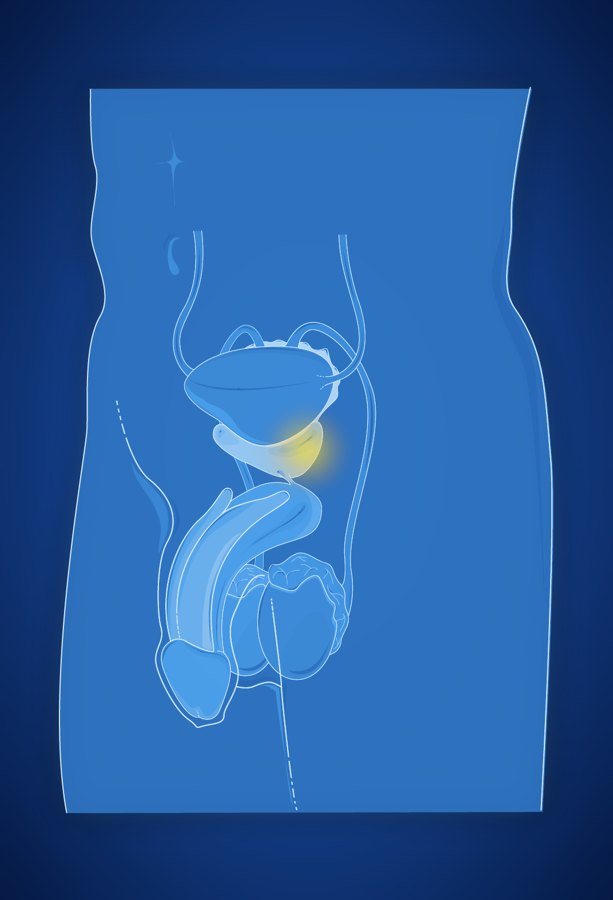

Prostate cancer ranges from slow-growing disease that may never threaten life to aggressive cancer requiring multimodality treatment. The first objective is therefore accurate risk classification rather than immediate surgery. PSA, digital examination, multiparametric MRI, biopsy Grade Group, tumour extent and appropriate staging imaging determine whether a patient is best served by active surveillance, radical prostatectomy, radiotherapy, hormonal treatment or systemic therapy.
For localized prostate cancer, robotic radical prostatectomy and modern radiotherapy can both provide excellent cancer control in appropriately selected patients. Their side-effect profiles differ: surgery has early urinary incontinence and erectile-function consequences, while radiotherapy can produce urinary/bowel irritation and later sexual effects. Age alone should not decide treatment; life expectancy, baseline urinary/sexual function, cancer risk and patient priorities matter.
International patients considering India should obtain a risk-stratified treatment opinion before travel. The review should include PSA history, prostate MRI images, full biopsy pathology with Gleason score/Grade Group, PSMA PET-CT or other staging where indicated, urinary symptoms, prostate size, previous prostate procedures and baseline erectile function.
A prostate cancer diagnosis brings difficult decisions about cancer control, continence and sexual function, and many men are told to decide quickly. This guide is written to help you understand the questions that matter, ask for a balanced comparison of all reasonable options and judge whether travelling for treatment makes sense for you. It does not promise outcomes; every cancer and every patient is different.
Short Answer: Is India a Good Option for Prostate Cancer Treatment?
For many patients, it can be. Major Indian centres offer experienced robotic urologic oncology, modern image-guided radiotherapy, PSMA PET imaging and advanced systemic therapy, usually at a much lower private price than the USA, UK and Australia. But the first question is clinical: what is your Grade Group and risk category, and do you need treatment now at all? Many low-risk cancers can be safely observed. A good team will compare surveillance, surgery and radiation honestly rather than simply quote robotic surgery. Spinal cord compression, urinary obstruction with kidney impairment, sepsis or rapidly progressive symptoms need local care first. Start with a remote review of your PSA history, MRI and biopsy, and compare the whole pathway, not the technology.
Quick Facts - Prostate Cancer Treatment and Surgery for International Patients in India
| Topic | International-Patient Planning Point |
|---|---|
| Diagnosis | PSA + mpMRI + targeted/systematic biopsy in most contemporary pathways |
| Pathology | Gleason score and ISUP Grade Group are central |
| Risk groups | Low, intermediate, high/very-high risk; metastatic disease treated separately |
| Low-risk option | Active surveillance can avoid or delay unnecessary treatment |
| Surgery | Robotic radical prostatectomy is common; open/laparoscopic surgery remain valid |
| Radiation | IMRT/VMAT, image guidance, SBRT in selected cases and brachytherapy in appropriate patients |
| Nodes | Pelvic lymph-node dissection is risk-based, not required for every prostatectomy |
| Functional outcomes | Urinary continence and erectile function depend on baseline status, stage, nerve sparing and expertise |
| India stay | Often 2-3 weeks after uncomplicated prostatectomy; radiotherapy schedules vary |
| India planning cost | Robotic prostatectomy broadly US$6,000-10,000; modern radiotherapy broadly US$4,000-8,000+ |
| Records to send | PSA history, mpMRI DICOM, biopsy pathology with Grade Group, PSMA PET if done and urinary/sexual-function history |
| Major Indian hubs | Delhi NCR, Mumbai, Chennai, Bengaluru, Hyderabad and other tertiary urologic oncology centres |
| Companion | Strongly advised throughout the stay and the journey home, especially with a catheter after surgery |
Key principle: The best prostate cancer treatment is not automatically the newest technology. It is the option that provides appropriate cancer control for the patient's risk while matching life expectancy, urinary/sexual priorities and willingness to accept treatment-specific side effects.
Why India, Diagnosis and Risk Classification
Why Do International Patients Choose India for Prostate Cancer Treatment?
Patients travel for prostate cancer care for practical reasons, and the strongest ones are about reaching an experienced team and modern technology at a price that does not force a compromise on the plan:
- Lower cost. Private Indian hospitals often quote much less than self-pay prices in the USA, UK, Australia and other high-cost markets for surgery and radiation, although branded hormonal and targeted drugs may show a much narrower gap.
- Experienced robotic urologic oncology. Major centres perform robotic radical prostatectomy as part of a wider urologic oncology service, alongside open and laparoscopic options.
- Modern radiotherapy. Image-guided IMRT/VMAT, SBRT and brachytherapy are available at larger cancer centres.
- Advanced imaging. Prostate MRI and PSMA PET-CT are available at major centres.
- Multidisciplinary review. A tumour board can compare surveillance, surgery, radiation and systemic therapy rather than defaulting to one.
- Comprehensive backup. Uro-pathology, medical and radiation oncology, nuclear medicine, continence and sexual rehabilitation are often in the same hospital.
- International patient support and English-speaking teams. Major hospitals typically help with appointments, hospital letters for visas, airport pick-up and accommodation guidance.
- A plan you can review first. A remote review can state your risk group and options before you commit to travel, and may show that active surveillance or treatment close to home is the better choice.
Emergencies Are Different
Spinal cord compression symptoms such as new leg weakness or numbness, inability to pass urine, severe urinary obstruction with kidney impairment, sepsis with fever, or heavy persistent bleeding needs immediate local care. Do not delay emergency treatment to arrange international travel.
Patient Tip
Low cost should be the beginning of your evaluation, not the end of it. The sections that follow explain how to judge whether the proposed treatment is appropriate, how to assess the team and how to compare the whole pathway rather than the procedure price alone.
How Does India Compare with Other Medical Travel Destinations?
Many patients also look at prostate cancer programmes abroad before deciding. There is no single best country for every patient; the right choice depends on where you live, your cancer and what you can verify about the surgeon and hospital. These are the factors worth comparing:
| Factor | What to compare | How India generally fares |
|---|---|---|
| Cost | The full itemized pathway: surgery or radiation, node dissection, hospital stay, drugs, tests and exclusions | Often much lower than self-pay pricing in Western countries for procedures; drug savings vary |
| Surgeon and team experience | Annual prostatectomy volume, positive-margin rates by risk, continence outcomes and balanced counselling | Major Indian centres have experienced teams; always verify surgeon and centre volume |
| Imaging and pathology | Prostate MRI reading, PSMA PET-CT and uro-pathology review of Gleason grading | Available at large cancer centres; confirm the specific hospital |
| Radiation and systemic therapy | IMRT/VMAT, SBRT, brachytherapy, ADT and advanced agents | Often available in the same hospital; confirm for your case |
| Language | Whether doctors and nurses communicate easily with you | English is widely used by medical teams in major Indian hospitals |
| Distance and flight time | Length of the flight and the 2-4 weeks or more you may need to stay | Depends on where you live: relatively close for patients from South Asia, the Middle East and East Africa, and a long-haul journey from the Americas and parts of Europe |
| Visa | Visa type, processing time and attendant rules | India has a dedicated medical visa system with an attendant category; always confirm current rules for your nationality |
| Follow-up | Who will monitor PSA, give ADT and support continence and sexual recovery at home | Depends on the team; ask for a defined hand-over plan before you commit |
A Fair Way to Compare Destinations
- Ask every destination for the same itemized written plan (risk group, recommended option, nerve-sparing and node plans, catheter policy and exclusions).
- Compare the clinical recommendation first and the price second, and ask whether radiation or surveillance was discussed fairly.
- Compare the total trip cost - treatment, a contingency for complications, flights, accommodation for weeks, companion and local transport.
- Judge the urologic oncology team and hospital, not just the country or the robotic platform.
- Compare the follow-up plan: who will monitor PSA and manage continence and sexual recovery at home?
PSA and What It Means for International Patients in India for Prostate Cancer
PSA is prostate-specific rather than cancer-specific. Benign enlargement, inflammation, recent instrumentation and other factors can raise it. PSA level, trend, density and clinical context influence the need for MRI or biopsy. A single PSA should not be interpreted in isolation.
Multiparametric Prostate MRI
mpMRI identifies suspicious lesions, estimates local extent and guides targeted biopsy. PI-RADS scoring communicates suspicion, but MRI cannot reliably exclude every clinically significant cancer. Original MRI images should be reviewed when treatment decisions depend on extracapsular or seminal-vesicle involvement.
Prostate Biopsy
Contemporary diagnosis commonly combines MRI-targeted cores with systematic sampling. Transperineal biopsy reduces infectious risk and improves access to some regions compared with traditional transrectal biopsy. Biopsy technique and pathology quality affect risk classification.
Gleason Score and Grade Group
Gleason patterns are combined into a score and mapped to Grade Groups 1-5. Higher Grade Group indicates more aggressive histology and greater recurrence/metastasis risk. Treatment should not be based on PSA alone.
Clinical Stage
Clinical stage describes tumour extent within or beyond the prostate, seminal-vesicle involvement and metastatic spread. MRI and staging imaging refine this assessment. Local stage affects nerve-sparing and radiotherapy planning.
PSMA PET-CT
PSMA PET-CT is highly sensitive for nodal and distant prostate cancer in appropriate higher-risk staging and biochemical recurrence settings. It is not necessary for every low-risk newly diagnosed patient. Findings should be interpreted with conventional clinical context.
Risk Stratification
PSA, Grade Group, T stage, biopsy burden and other features classify localized cancer into risk groups. This determines whether surveillance, local treatment or multimodality therapy is appropriate. Risk grouping is more useful than simply calling a tumour early or advanced.
Risk Groups at a Glance
| Group | Typical features | Treatment direction |
|---|---|---|
| Low risk | Low PSA, Grade Group 1, limited cancer on biopsy | Active surveillance is often appropriate; treatment can be delayed or avoided |
| Intermediate risk | Grade Group 2-3 or intermediate PSA or stage | Surgery or radiation (with or without short ADT) are valid; surveillance is selective |
| High / very-high risk | Higher grade, high PSA or locally advanced stage | Multimodality treatment is likely, often combining radiation with longer ADT or surgery with nodes |
| Metastatic | Spread to nodes, bone or other organs on staging | Systemic therapy is central, with ADT and additional agents |
Making the Remote Review Count
- Send PSA values with dates, and prostate MRI as DICOM images with the report
- Send the complete biopsy report with Gleason score and Grade Group, and slides if review is needed
- Include PSMA PET-CT if performed, urinary symptom history, prostate size and any previous TURP or prostate procedure
- List current medicines and your baseline continence and erectile function
- Ask the team to state your risk group and compare reasonable options, not simply quote robotic surgery
Send your PSA history with dates, prostate MRI as DICOM images and report, the full biopsy report with Gleason score and Grade Group (and slides if review is needed), PSMA PET-CT if done, urinary symptom history, prostate size, any previous TURP or prostate procedure, current medicines and your baseline urinary and erectile function. You will receive a preliminary opinion covering your risk group, whether active surveillance, surgery, radiation or a combination is reasonable, nerve-sparing and lymph-node plans, realistic continence and erectile expectations, the stay in India, an itemized cost estimate and a follow-up plan, so you can decide with a clear picture in hand.
Surveillance, Surgery and Nerve Sparing for International Patients in India for Prostate Cancer
Active Surveillance
Selected low-risk and some favourable intermediate-risk cancers can be monitored with PSA, MRI, examination and repeat biopsy rather than treated immediately. The aim is to preserve quality of life while retaining curative treatment if disease progresses. Active surveillance is structured care, not neglect.
Watchful Waiting
Watchful waiting is different from active surveillance. It is usually used when life expectancy or comorbidity makes curative treatment unlikely to improve survival, with treatment directed at symptoms if they develop. The distinction should be clear in counselling.
When Radical Treatment Is Recommended for International Patients in India for Prostate Cancer
Clinically significant localized cancer in patients with sufficient life expectancy commonly warrants surgery or radiotherapy. Higher-risk disease may require combined local and systemic treatment. Patient preference matters after balanced counselling.
Robotic Radical Prostatectomy
The prostate and seminal vesicles are removed robotically, the bladder is reconnected to the urethra and lymph nodes are removed when indicated. The robot is fully controlled by the surgeon. Cancer clearance, continence and potency depend more on anatomy and surgeon expertise than robot branding.
Open and Laparoscopic Prostatectomy
Open retropubic and conventional laparoscopic prostatectomy remain effective operations. Robotic surgery offers magnified 3D vision and articulated instruments and is widely used, but oncologic principles are identical. Technology should not replace surgeon-specific outcome assessment.
Nerve-Sparing Surgery
The neurovascular bundles responsible for erectile function can be preserved partially or completely when tumour location and risk permit. MRI, biopsy distribution and intraoperative findings guide the decision. Nerve preservation should not compromise cancer margins.
Bladder-Neck Preservation
Selected surgical techniques can preserve bladder-neck anatomy and may support early continence recovery. Suitability depends on tumour location and anatomy. Cancer clearance remains the priority.
Pelvic Lymph-Node Dissection
Extended pelvic lymph-node dissection is performed when nomograms/risk suggest meaningful nodal involvement. It improves pathological staging but adds risks such as lymphocele. It is not routinely necessary in low-risk disease.
Surgical Margins
A positive margin means cancer cells reach the inked edge of the removed specimen. It increases recurrence risk but does not automatically mean cancer will recur or that immediate radiation is mandatory. PSA and pathological risk guide postoperative decisions.
Treatment Options at a Glance
| Option | What it involves | Points to ask |
|---|---|---|
| Active surveillance | Regular PSA, MRI and repeat biopsy with treatment if the cancer progresses | Ask what triggers treatment and who will do the follow-up at home |
| Robotic radical prostatectomy | Removes the prostate, with nerve sparing and node dissection where indicated | Ask about volume, margins, continence and potency outcomes |
| Open or laparoscopic prostatectomy | Same operation by a different approach | Ask which approach the surgeon performs best |
| Radiotherapy | ||
| (IMRT/VMAT, SBRT, brachytherapy) | Image-guided radiation, sometimes with ADT | Ask about schedule, ADT need and late urinary or bowel effects |
| Focal therapy / HIFU | Treats part of the gland in selected cases | Ask about retreatment and surveillance |
Recovery of Continence and Sexual Function
Urinary Catheter
A catheter remains after prostatectomy while the bladder-urethral connection heals, often for about one to two weeks depending on surgeon protocol and healing. International travel should accommodate catheter removal and early continence assessment.
Urinary Continence Recovery for International Patients in India for Prostate Cancer
Leakage is common immediately after catheter removal and usually improves over weeks to months. Age, baseline urinary function, anatomy and surgical technique influence recovery. Pelvic-floor exercises should be taught correctly rather than performed excessively.
Pelvic-Floor Rehabilitation
Preoperative instruction and structured postoperative pelvic-floor training can support continence recovery. Persistent leakage may require specialist evaluation. Severe long-term incontinence has surgical treatment options.
Erectile Function After Surgery
Erectile recovery depends on age, baseline potency, cancer extent, bilateral/partial nerve sparing and rehabilitation. Recovery can continue for 12-24 months or longer. No surgeon can guarantee postoperative potency.
Penile Rehabilitation
PDE5 inhibitors, vacuum devices and other strategies can be used after surgery according to individual circumstances. Evidence for specific protocols varies, but early sexual-health counselling is useful. Injection therapy or implants are options for persistent dysfunction.
Radiotherapy and Other Local Treatments
Radiotherapy for Localized Prostate Cancer
External-beam radiotherapy can provide curative treatment across multiple risk groups. Modern image guidance and conformal planning reduce dose to bladder and rectum. Higher-risk disease commonly combines radiation with androgen-deprivation therapy.
IMRT and VMAT
IMRT/VMAT shape radiation dose around the prostate and adjacent tissues. Daily image guidance improves targeting because prostate position changes with bladder and rectal filling. Treatment quality depends on planning and image guidance, not machine name alone.
Prostate SBRT
Stereotactic body radiotherapy delivers a short course of highly focused radiation and is an established option for selected localized prostate cancers. Patient selection, dose constraints and image guidance are critical. Not every high-risk or anatomically complex patient is ideal for the shortest schedule.
Brachytherapy
Radioactive sources can be implanted permanently or temporarily within the prostate in selected patients. It may be used alone or as a boost with external radiation depending on risk. Large prostate size and significant urinary obstruction can affect suitability.
Rectal Spacers for International Patients in India for Prostate Cancer
Biodegradable spacers can increase separation between prostate and rectum and reduce rectal radiation dose in selected patients. They are not mandatory for every radiotherapy course. Insertion has small but real procedural risks.
Androgen-Deprivation Therapy
ADT lowers testosterone and is central to advanced prostate cancer and combined treatment for selected intermediate/high-risk radiation patients. Side effects include hot flushes, sexual dysfunction, metabolic change, bone loss and muscle loss. Duration should match disease risk and treatment strategy.
Surgery vs Radiotherapy
Both can cure localized prostate cancer. Surgery provides complete pathology and rapid PSA decline but carries operative and early continence risks. Radiation avoids surgery but can require ADT and has urinary/bowel and late toxicity considerations. Comparisons should be personalized rather than framed as one universally superior treatment.
Focal Therapy
HIFU, cryotherapy and other focal approaches treat selected prostate regions rather than the entire gland. They can reduce some side effects but require careful selection and intensive follow-up, and long-term comparative evidence is less mature than standard radical treatments. Focal therapy is not appropriate for every multifocal cancer.
High-Intensity Focused Ultrasound
HIFU uses focused ultrasound energy to thermally ablate tissue. It is used in selected focal or salvage contexts at experienced centres. Patients should understand retreatment and surveillance requirements.
Cryotherapy
Cryotherapy freezes prostate tissue and can be used selectively for localized or recurrent disease. Urinary and sexual complications remain possible. It is not simply a non-invasive substitute for surgery.
Higher-Risk Disease and Recurrence
High-Risk Localized Cancer
High-risk disease may be treated with radical prostatectomy plus selective postoperative therapy or with radiotherapy plus long-course ADT, sometimes intensified with additional systemic treatment. Multimodality treatment is common.
Very-High-Risk / Locally Advanced Disease
Tumour extending beyond the prostate or into seminal vesicles requires careful staging and often combined treatment. Surgery can be appropriate in selected patients as one component of multimodality care. A promise of surgery alone may be unrealistic.
Pathology After Prostatectomy for International Patients in India
The report documents Grade Group, pathological T stage, margins, seminal-vesicle invasion, extraprostatic extension and lymph-node status. These features and postoperative PSA determine recurrence risk. Patients should obtain the complete report before returning home.
Postoperative PSA
PSA should fall to an undetectable or very low level after radical prostatectomy. Persistent or subsequently rising PSA suggests residual/recurrent disease and triggers risk-based evaluation. PSA timing should allow postoperative clearance.
Biochemical Recurrence
A rising PSA after surgery or radiation can precede visible metastases. PSA level, doubling time, pathology and PSMA PET findings guide salvage treatment. Early salvage treatment can be important after prostatectomy.
Salvage Radiotherapy After Surgery
Radiation to the prostate bed, with pelvic nodes and/or ADT in selected patients, can cure some men with biochemical recurrence after prostatectomy. Benefit is generally greatest when initiated at relatively low PSA levels. Treatment should be individualized using pathology and modern imaging.
Recurrence After Radiotherapy
Local recurrence after radiotherapy requires biopsy/imaging confirmation when salvage local therapy is considered. Options include salvage prostatectomy, brachytherapy, SBRT, cryotherapy or HIFU in highly selected patients. Salvage treatments carry higher urinary/rectal complication risks.
Advanced and Metastatic Disease
Metastatic Hormone-Sensitive Prostate Cancer
Newly metastatic disease is treated with ADT plus treatment intensification such as an androgen-receptor pathway drug and/or chemotherapy depending on disease volume, fitness and context. Prostate radiotherapy can benefit selected low-volume metastatic patients. ADT alone is often no longer the optimal default for fit patients.
Metastatic Castration-Resistant Cancer
When cancer progresses despite castrate testosterone, treatment options include additional hormonal agents, chemotherapy, radiopharmaceuticals, targeted therapy for selected mutations and other systemic strategies. Treatment sequence depends on prior exposure and molecular findings.
PARP Inhibitors and Genomic Testing
Selected metastatic cancers with homologous-recombination repair alterations can benefit from PARP-directed treatment. Germline and tumour genomic testing may also identify hereditary cancer risk. Testing is particularly relevant in advanced/high-risk disease.
PSMA Radioligand Therapy
Lutetium-177 PSMA-targeted therapy is used for selected PSMA-positive advanced prostate cancer according to disease setting, previous treatment and regulatory/clinical criteria. It is systemic radiopharmaceutical therapy, not external-beam radiation. Kidney, salivary and marrow function require monitoring.
Bone Metastases for International Patients in India for Prostate Cancer
Bone is a common metastatic site. Systemic therapy, targeted radiotherapy, bone-modifying agents and focal radiation for pain or structural risk can be integrated. Spinal cord compression or impending fracture requires urgent assessment.
Supportive Care, Age and Urinary Problems for International Patients in India for Prostate Cancer
Bone Health During ADT
Long-term testosterone suppression accelerates bone and muscle loss. Baseline fracture risk, vitamin D/calcium status, resistance exercise and bone-density monitoring are important. Bone-protective drugs are used when clinically indicated.
Cardiometabolic Health During ADT
ADT can worsen body composition, insulin resistance and cardiovascular risk. Blood pressure, lipids, glucose, exercise and weight should be monitored, particularly in men with existing cardiovascular disease. Treatment selection can incorporate comorbidity.
Urinary Obstruction
Benign enlargement and cancer can both cause urinary symptoms. TURP or other outlet procedures may occasionally be required before or after cancer treatment, but timing must be coordinated with definitive therapy. Severe obstruction can affect brachytherapy/radiation choices.
TURP Is Not Radical Prostatectomy
TURP removes obstructing tissue from inside the prostate to improve urine flow; it is not a curative cancer operation for most localized prostate cancer. Incidental cancer can be discovered in TURP specimens. Patients should not confuse the two procedures.
Age and Treatment Selection
Chronological age alone should not exclude curative treatment. Physiological fitness and estimated life expectancy are more relevant, balanced against cancer aggressiveness. Conversely, aggressive treatment may not benefit frail men with limited life expectancy and indolent cancer.
Nutrition and Exercise
A balanced diet, resistance/aerobic exercise and healthy body weight support recovery and help counter ADT-related metabolic and muscle changes. No supplement has been proven to replace standard cancer therapy. Patients should disclose supplements because of drug interactions.
Recovery, Complications and Surveillance
Recovery After Prostatectomy
Walking begins early; catheter care and pelvic-floor rehabilitation dominate the first weeks. Heavy lifting is restricted until abdominal/pelvic healing progresses. Continence and sexual recovery continue over months. Return-to-work timing depends on occupation and recovery.
Complications of Radical Prostatectomy
Risks include bleeding, infection, urine leak, lymphocele, DVT/PE, bladder-neck contracture, urinary incontinence and erectile dysfunction. Rectal injury is uncommon but serious. Experienced centres need protocols for prompt recognition and treatment.
Robotic Surgery Learning Curve for International Patients in India for Prostate Cancer
Robotic prostatectomy outcomes depend strongly on surgeon experience with the exact operation. High-volume practice can improve efficiency and functional/oncologic consistency. Robot model or marketing claims are poor substitutes for outcome data.
Surveillance After Treatment
PSA is the principal surveillance marker after local treatment. Follow-up frequency depends on risk, treatment and PSA course. Imaging is generally triggered by biochemical or clinical concern rather than performed indiscriminately. Long-term follow-up is necessary because recurrence can occur years later.
Possible Problems and What to Ask
| Problem | What may happen | What to ask or do |
|---|---|---|
| Urinary leakage | Common early after surgery; usually improves, with a minority having persistent leakage | Ask about pelvic-floor rehabilitation and how outcomes are defined |
| Erectile dysfunction | Depends on baseline function, age and nerve sparing | Ask about rehabilitation and treatment options |
| Urinary retention after catheter removal | Inability to pass urine | Know who to call locally and where to go |
| Lymphocele or infection | Fluid collection or infection after node dissection | Report fever, pelvic pain or leg swelling early |
| Bleeding or clots | Bleeding in the urine or wound | Ask about warning signs and local emergency plans |
| Blood clots in legs or lungs | DVT or PE after surgery and long flights | Ask for individualized prevention and fit-to-fly advice |
Preparing Yourself Before Prostate Cancer Treatment (Prehab)
Preparation helps recovery. Always agree what is appropriate with your treating team, and never let preparation delay urgent cancer treatment:
- Learning pelvic-floor (Kegel) exercises before surgery with a physiotherapist, and continuing them afterwards as advised
- Gentle, regular activity such as daily walking and, if safe, resistance exercise, especially if ADT is planned
- Stopping smoking and limiting alcohol, which supports healing and lowers complications
- Weight control and a balanced diet as advised by your team
- A medicine review, including blood thinners, diabetes medicines, supplements and herbal products
- Recording your baseline urinary and erectile function so recovery can be measured
- Discussing fertility and sexual-function expectations with your partner and team before treatment
- Practical and emotional support arranged for you and your companion, including a supply of continence pads
Preparation should never delay urgent cancer treatment. Your team will tell you if time is critical.
Around Prostate Cancer Treatment: What to Expect
| Stage | What usually happens |
|---|---|
| Before treatment | PSA, MRI and biopsy review, risk classification, PSMA PET-CT where indicated, comparison of surveillance, surgery and radiation, and consent covering nerve sparing, node dissection and functional outcomes |
| Surgery | Robotic or open prostatectomy, typically with a short hospital stay and a urinary catheter for about one to two weeks (confirm with your surgeon) |
| Early recovery in India | Wound and catheter care, catheter removal and voiding check, final pathology review, pelvic-floor teaching and fit-to-fly assessment |
| Radiotherapy pathway | A planning scan followed by a course of treatment from a few sessions (SBRT) to several weeks, sometimes with ADT |
| After you return home | PSA monitoring on a written schedule, continence and sexual rehabilitation, and any ADT or further treatment as recommended |
Choosing Your Surgeon, Centre and City
Choosing a Prostate Cancer Surgeon in India
Ask about annual radical-prostatectomy volume, nerve-sparing selection, positive-margin rates by risk category, continence definitions/outcomes and management of complications. The surgeon should also discuss radiation as a valid alternative when appropriate. Balanced counselling is a marker of quality.
Choosing a Comprehensive Prostate Cancer Centre
A strong centre integrates urologic oncology, uro-pathology, mpMRI, nuclear medicine/PSMA PET, radiation oncology, medical oncology, rehabilitation and advanced systemic therapies. Multidisciplinary review is especially important for high-risk, recurrent and metastatic disease.
Major Prostate Cancer Treatment Hubs in India
Delhi NCR, Mumbai, Chennai, Bengaluru, Hyderabad and other tertiary centres provide robotic prostatectomy, modern radiotherapy, PSMA imaging and advanced systemic treatment. Select the disease-specific team rather than choosing only by city or robotic platform.
Warning Signs of an Unreliable Offer for International Patients in India for Prostate Cancer
Medical travel works best when the information you receive is specific, itemized and clinically sensible. Be cautious if you see any of the following:
Red Flags
- A surgery recommendation or fixed date before your Grade Group and risk category are known
- Robotic surgery quoted without any discussion of active surveillance or radiation as valid alternatives
- Surgery recommended for a low-risk cancer that could be safely observed, with no explanation
- Promises of a 'cure', 'guaranteed' continence or potency, or 'no side effects'
- No MRI or PSMA staging discussed where it is appropriate for your risk
- No positive-margin, continence or volume figures offered by the surgeon
- No mention of nerve-sparing selection, node dissection or the chance of further treatment after surgery
- Pressure to decide or pay quickly, or a base price with unclear exclusions for complications and readmission
- No plan for PSA monitoring, continence and sexual rehabilitation after you return home
What a Good International Patient Service Should Provide
A well-run programme should make the journey easier at every stage:
- A named coordinator and a direct line to the clinical team before you travel
- Review of your actual PSA history, MRI and biopsy by the treating team, and a written preliminary opinion covering the risk group, reasonable options, nerve-sparing and node plans
- Honest discussion of alternatives, including active surveillance, radiation and treatment closer to home
- An itemized written estimate that states what is included, how node dissection, catheter care, readmission and complications are charged
- A hospital letter for your medical visa application, and guidance for attendant visas
- Airport pick-up, assistance on arrival and accommodation near the hospital for weeks
- Interpreter support where needed
- Final pathology with margins, operative report, discharge summary, postoperative PSA plan and rehabilitation programme
- A defined follow-up pathway after you return home, including teleconsultations with the treating team
Cost, Packages and Quotations for International Patients in India for Prostate Cancer
Indicative Prostate Cancer Treatment Costs in India
| Treatment / Procedure | Broad International-Patient Planning Range |
|---|---|
| mpMRI + biopsy / pathology work-up | Approx. US$800-2,000+ |
| PSMA PET-CT | Approx. US$500-1,200+ |
| Robotic radical prostatectomy | Approx. US$6,000-10,000 |
| Open / laparoscopic radical prostatectomy | Approx. US$4,500-8,000 |
| IMRT / VMAT prostate radiotherapy | Approx. US$4,000-7,000 |
| Prostate SBRT | Approx. US$4,000-8,000+ |
| Brachytherapy | Approx. US$5,000-10,000+ |
| ADT | Drug and duration dependent |
| Advanced targeted / radioligand treatment | Can add several thousand US$ per cycle/dose; agent dependent |
These are broad private international-patient planning estimates, not guaranteed tariffs. Lymph-node dissection, pathology, complications, rectal spacer, prolonged admission, branded hormonal/targeted drugs and radioligand therapy can materially alter cost.
What a Radical Prostatectomy Package Should Include
Request surgeon/team, robotic system and consumables if used, anaesthesia, operating theatre, pelvic lymph-node dissection when indicated, catheter/cystogram policy, hospital stay, final pathology and routine postoperative review. Clarify charges for lymphocele drainage, readmission, continence rehabilitation and erectile-function treatment.
Factors That Increase Total Treatment Cost
High-risk staging, extended lymph-node dissection, postoperative complications, salvage radiotherapy, long-duration ADT, advanced hormonal agents, chemotherapy, genomic testing and PSMA radioligand therapy can substantially increase the complete treatment pathway cost.
Prostate Cancer Treatment Cost - India vs USA, UK and Australia
| Representative Treatment | India | USA | UK Private | Australia Private | Approx. India Saving* |
|---|---|---|---|---|---|
| Robotic radical prostatectomy | $6k-10k | $30k-70k+ | $18k-30k+ | $20k-35k+ | Approx. 45-91% |
| IMRT / VMAT course | $4k-7k | $25k-60k+ | $15k-30k+ | $18k-35k+ | Approx. 53-93% |
| Prostate SBRT | $4k-8k | $25k-55k+ | $15k-30k+ | $18k-35k+ | Approx. 47-93% |
| Brachytherapy | $5k-10k+ | $25k-60k+ | $15k-30k+ | $18k-35k+ | Approx. 33-92% |
*Broad private/self-pay planning comparisons only. Drug costs can vary differently from procedural costs, and public healthcare pathways abroad are not directly comparable with private international-patient packages.
Budgeting for the Whole Pathway, Not Just the Procedure
The procedure is only one part of the budget. Ask for the treatment quotation, then add:
- PSMA PET-CT, MRI and biopsy work-up if not included, and any genomic testing
- A contingency for complications such as lymphocele, infection, readmission or catheter problems
- Radiotherapy, ADT and other systemic drugs, which are usually separate from the surgical package
- Continence rehabilitation, pads and erectile-function treatment
- Return flights for you and your companion, with flexibility to change dates if recovery is slow
- Accommodation near the hospital for the whole stay, commonly about 2-4 weeks and longer for radiation courses
- Meals, local transport and airport transfers
- Visa fees, travel insurance and any attendant visa costs
- Follow-up PSA tests and consultations at home
Prostate Cancer Treatment Quotation Comparison Table
| Item | Centre A | Centre B |
|---|---|---|
| PSA / Grade Group | ||
| Risk category | ||
| MRI / PSMA staging | ||
| Active surveillance option | ||
| Surgery / radiation recommendation | ||
| Nerve-sparing plan | ||
| Lymph-node dissection | ||
| Robotic consumables | ||
| Hospital / catheter plan | ||
| Final pathology | ||
| ADT / radiotherapy | ||
| Complication exclusions | ||
| Expected India stay | ||
| Total pathway estimate |
Your Journey: Records, Travel, Visa and Going Home for International Patients in India for Prostate Cancer
Remote Case Review Before Travel
Send PSA values with dates, mpMRI DICOM images/report, complete biopsy report/slides if review is needed, PSMA PET-CT when performed, urinary symptom history, prostate size, previous TURP/prostate procedures and current medications. Include baseline continence and erectile function. The reviewing team should provide a risk group and compare reasonable treatment options, not simply quote robotic surgery.
Records Checklist
- PSA values with dates
- mpMRI as DICOM images and the report
- Complete biopsy report; slides if review is needed
- PSMA PET-CT report and images if performed
- Urinary symptom history, prostate size and any previous TURP or procedure
- Baseline continence and erectile function
- Medicine list, allergies and other conditions
- Family and genetic history, and passport copy
Questions the Pre-Travel Opinion Should Answer
What is my Grade Group and risk category? Is active surveillance safe? Do I need PSMA PET staging? Are surgery and radiation both appropriate? Can nerves be preserved? Is lymph-node dissection indicated? What are realistic continence/potency outcomes? High-risk patients should also ask whether multimodality treatment is likely.
International Patient Treatment Journey
1) Remote PSA/MRI/pathology review. 2) risk classification/staging. 3) compare surveillance, surgery and radiation. 4) travel and preoperative assessment if surgery chosen. 5) prostatectomy and catheter recovery. 6) final pathology. 7) postoperative PSA. 8) rehabilitation. 9) fit-to-fly. 10) long-term PSA surveillance at home. Patients choosing radiotherapy need a separate planning/simulation schedule.
How Long to Stay in India
After uncomplicated robotic prostatectomy, many international patients should plan roughly 2-3 weeks in India to allow surgery, catheter management/removal and early review. Complications can extend this. Radiation stays depend on fractionation, ranging from short SBRT schedules to several weeks. Return plans should be flexible.
Flying After Prostatectomy
Long-haul travel should wait until the patient is mobile, voiding safely after catheter removal or confidently managing a catheter if travel is unavoidable, and free of significant bleeding, infection or DVT concerns. Walking, hydration and individualized thrombosis precautions are important.
Managing Continence During Travel for International Patients in India for Prostate Cancer
Pads should be carried in hand luggage, pelvic-floor exercises continued appropriately and hydration maintained. Severe worsening leakage, inability to urinate or gross bleeding requires assessment. Early leakage is expected and should not be interpreted as surgical failure.
Airline and Travel Practicalities After Prostate Treatment
Airline rules differ, so confirm each point with your airline before you fly:
| Topic | What to arrange |
|---|---|
| Fit-to-fly letter | Ask your surgeon for written clearance stating the diagnosis, operation and date, and carry it in hand luggage |
| Blood clots | Cancer and pelvic surgery raise clot risk; ask whether stockings or blood-thinning injections are needed, and walk and hydrate regularly in flight |
| Continence pads and supplies | Pack plenty of pads, wipes and a change of clothes in hand luggage, and know where toilets are before boarding |
| Catheter, if still in place | Travel with a catheter only if unavoidable and with explicit instructions, spare bags and a written plan for problems |
| Hydration and bladder emptying | Drink regularly, empty the bladder before boarding and seek help for inability to pass urine |
| Medicines and injections | Keep ADT details, medicines and a prescription list with generic names in hand luggage, and carry a letter for needles or syringes if needed |
| Seat choice and assistance | An aisle seat near a toilet helps; request airport assistance if you tire easily |
| Records | Carry final pathology, operative report, discharge summary and contact details of the treating team in case of a problem on the journey |
| Flexible tickets and insurance | Book a flexible return so that a delay in recovery does not mean losing money, and check what travel insurance covers for surgery-related complications |
Accommodation and Companion
A companion is strongly advised during surgery and early recovery, for help with catheter care, mobility, medicines and decisions, and during a radiotherapy course. Accommodation should be close to the hospital with easy toilet access, so that fever, bleeding or difficulty passing urine can be reviewed promptly.
Medical Visa and Travel Planning
Confirm current Indian medical-visa requirements through official channels, including the attendant visa for your companion. Carry the hospital invitation, a medical summary, your MRI, biopsy and PSA records and your medicines, and keep the visa duration and return travel flexible in case recovery or radiation takes longer than planned.
Continuing ADT or Systemic Therapy at Home
Carry exact generic drug names, doses, injection dates, planned duration, PSA/testosterone results and monitoring requirements. Confirm local availability before leaving India. Bone and metabolic monitoring should continue during prolonged ADT.
Post-Return Follow-Up
After prostatectomy, PSA monitoring is central. Patients should carry final pathology, operative report and postoperative PSA plan. After radiation, PSA declines more gradually and interpretation differs. Teleconsultation can complement local urology/oncology care.
Arranging Your Follow-Up Care at Home Before You Leave
PSA monitoring and rehabilitation continue for years, so set up your home team before you travel and confirm it again before you fly home:
| Who | Role |
|---|---|
| Local urologist | Monitors PSA, assesses urinary problems and manages leakage or retention, using your operative report |
| Medical oncologist | Gives ADT or other systemic therapy and monitors side effects |
| Radiation oncologist | Reviews any radiation given and delivers salvage or further radiation if recommended |
| Pelvic-floor physiotherapist | Guides continence recovery |
| Sexual-health specialist | Supports erectile function recovery and counselling for you and your partner |
| Laboratory service | Carries out PSA and testosterone tests on the agreed schedule |
| Bone-health and cardiometabolic care | Monitors bone density, cholesterol, glucose and weight during ADT |
| General practitioner | Coordinates care, general health, medicines and referrals |
| Overseas treating team | Teleconsultations, review of PSA and records, and advice on the plan |
Hand-over Checklist
- Written fit-to-fly clearance
- Final pathology with Grade Group, margins and node status
- Operative report and discharge summary
- Catheter removal date and voiding plan
- First postoperative PSA date
- Radiation summary with doses, if given
- ADT drugs, injection dates and planned duration
- Continence and sexual rehabilitation programme
- PSA surveillance schedule and next appointments
- Home urologist and oncologist details, and emergency plan
Warning Signs
Urgent assessment is required for fever, inability to pass urine, heavy persistent bleeding/clots, worsening pelvic/abdominal pain, wound drainage, leg swelling, chest pain or breathlessness. After catheter removal, acute urinary retention requires prompt local care.
Do Not Wait for an Overseas Reply
Fever, inability to pass urine, heavy bleeding or clots, worsening pelvic or abdominal pain, a wound that opens or discharges, a swollen or painful leg, chest pain, breathlessness, or new leg weakness or numbness needs emergency care where you are. Tell the emergency team about your diagnosis and treatment, show your records, and contact your treating team afterwards.
Tools: Questions, Candidacy, FAQ and Checklist for International Patients in India for Prostate Cancer
Twenty Questions to Ask the Prostate Cancer Team
- 1What is my exact Gleason score and Grade Group?
- 2What is my clinical risk category?
- 3Has my prostate MRI been reviewed directly?
- 4Do I need PSMA PET-CT?
- 5Am I suitable for active surveillance?
- 6Are surgery and radiotherapy both reasonable for me?
- 7Why do you recommend one treatment over the other?
- 8If surgery, can both neurovascular bundles be preserved safely?
- 9Do I need pelvic lymph-node dissection?
- 10How many radical prostatectomies do you perform each year?
- 11What are your continence outcomes and how do you define continence?
- 12What are realistic erectile-function outcomes for someone with my baseline function?
- 13What is your positive-margin rate for my risk category?
- 14How long will the catheter remain?
- 15What happens if my PSA is detectable after surgery?
- 16If radiation, do I need ADT and for how long?
- 17Would SBRT or brachytherapy be suitable?
- 18What exactly is included in the quotation?
- 19How long should I remain in India?
- 20What PSA surveillance will I need after returning home?
Who Is a Good Candidate for Prostate Cancer Medical Travel?
A suitable patient is medically stable and has sufficient diagnostic information for meaningful risk classification. Travel can be particularly useful when the patient wants an expert comparison of robotic prostatectomy versus radiation, nerve-sparing assessment, high-risk multimodality planning, PSMA-based recurrence evaluation or advanced treatment not readily available locally.
When Treatment or Travel Should Not Be Rushed for International Patients in India for Prostate Cancer
Many low-risk cancers do not require immediate radical treatment, allowing time for pathology review and a second opinion. Conversely, spinal cord compression, severe urinary obstruction with renal impairment, sepsis or rapidly progressive symptomatic metastatic disease requires prompt local care rather than elective overseas travel.
Frequently Asked Questions for International Patients in India about Prostate Cancer
1. Does every prostate cancer need treatment immediately?
No. Active surveillance is preferred for many appropriately selected low-risk cancers.
2. What is a Grade Group?
A standardized 1-5 grouping derived from Gleason patterns; higher groups generally indicate more aggressive cancer.
3. Why is MRI performed before biopsy?
It identifies suspicious lesions, helps targeted sampling and provides local staging information.
4. What is PSMA PET-CT?
A sensitive molecular imaging test used in selected higher-risk staging and recurrent prostate cancer.
5. Is robotic surgery better than radiation?
Neither is universally better. Both can cure localized disease, with different side-effect profiles.
6. Does the robot perform the operation itself?
No. The surgeon controls every movement.
7. Can nerves always be preserved?
No. Nerve sparing depends on tumour location/risk and must not compromise cancer control.
8. Will I be incontinent after surgery?
Leakage is common early and usually improves; a minority have persistent significant incontinence.
9. Will surgery cause erectile dysfunction?
It can. Recovery depends on baseline function, age, nerve sparing and other factors.
10. Do all patients need lymph-node removal?
No. It is performed when predicted nodal risk justifies it.
11. What is prostate SBRT?
Highly focused external radiation delivered in a small number of fractions for selected patients.
12. What is brachytherapy?
Radiation delivered from sources placed within the prostate, used in selected risk groups.
13. What does robotic prostatectomy cost in India?
Broadly around US$6,000-10,000 for many international-patient packages.
14. How much can India save?
Broad private comparisons commonly show about 45-90% savings for major procedural treatments.
15. How long should I stay in India after surgery?
Often about 2-3 weeks after uncomplicated robotic prostatectomy.
16. What happens if PSA rises after surgery?
Early salvage radiotherapy, sometimes with ADT, can cure selected patients.
17. What is ADT?
Treatment that suppresses testosterone, used with radiation in selected risk groups and for advanced disease.
18. Can metastatic prostate cancer be treated effectively?
Yes. Modern treatment combines ADT with additional systemic therapies and can control disease for substantial periods.
19. What records should I send before travel?
PSA history, mpMRI, biopsy pathology, PSMA PET if performed and urinary/sexual-function history.
20. What is the most important pre-treatment decision?
Correctly classify cancer risk and compare all reasonable options before choosing a technology or procedure.
21. Can I travel on my own for prostate cancer treatment?
It is strongly advisable to bring a companion. Catheter care, leakage, fatigue and decisions about further treatment are easier with support, and a companion can help during a radiation course.
22. What if the surgeon recommends surgery but I was told surveillance is an option?
Ask for the reasoning in writing and for review by a multidisciplinary team. A second opinion is reasonable, and the choice should reflect your risk group, life expectancy and priorities.
23. Is a lower price a reason to choose a centre?
No. Compare the clinical recommendation, the surgeon's volume and outcome figures, the radiation and systemic-therapy access and the contingency for complications first. A low procedure price that excludes complications, drugs and radiation can end up costing more.
24. Can my home urologist follow me after treatment?
Often yes, but only if they have agreed in advance and received the final pathology, operative report, PSA plan and any ADT details. Confirm this before you leave India.
Prostate Cancer Checklist for International Patients in India
Diagnosis / staging
- PSA history
- mpMRI DICOM
- Targeted/systematic biopsy
- Gleason/Grade Group
- Clinical stage
- PSMA PET if indicated
- Family/genetic history
Treatment decision
- Active surveillance
- Surgery vs radiation
- Nerve-sparing feasibility
- Lymph-node risk
- SBRT/brachytherapy option
- ADT need/duration
- Multimodality plan
Centre
- Urologic oncologist
- Uro-pathology
- Prostate MRI
- Nuclear medicine/PSMA
- Radiation oncology
- Medical oncology
- Continence/sexual rehabilitation
Cost
- Surgery
- Robotic consumables
- Node dissection
- Hospital/catheter
- Pathology
- Radiotherapy
- ADT
- Genomic/advanced therapy
- Complication exclusions
Travel
- Medical visa
- Attendant
- Flexible return
- Pads/catheter supplies
- DVT precautions
- Medication
- Accommodation
Before return
- Final pathology
- Operative report
- Catheter removed/plan
- Continence programme
- Sexual rehabilitation
- Postoperative PSA timing
- Adjuvant/salvage criteria
- Fit-to-fly
- Home urologist/oncologist
Final Perspective
Prostate cancer treatment is increasingly individualized. Many low-risk cancers can be safely observed, while clinically significant localized disease can often be cured with either surgery or radiotherapy. High-risk and metastatic cancers require thoughtful integration of local and systemic treatment. The quality of risk classification and counselling is therefore more important than selecting a treatment simply because it is robotic, stereotactic or technologically new.
India offers experienced robotic urologic oncology, modern image-guided radiotherapy, PSMA PET imaging and advanced systemic treatments at major tertiary centres, often with substantial private self-pay savings. International patients should obtain a balanced opinion that compares all appropriate options and provides realistic expectations for cancer control, continence, sexual function and long-term follow-up.
Send your PSA history with dates, prostate MRI as DICOM images and report, the full biopsy report with Gleason score and Grade Group (and slides if review is needed), PSMA PET-CT if done, urinary symptom history, prostate size, any previous TURP or prostate procedure, current medicines and your baseline urinary and erectile function. You will receive a preliminary opinion covering your risk group, whether active surveillance, surgery, radiation or a combination is reasonable, nerve-sparing and lymph-node plans, realistic continence and erectile expectations, the stay in India, an itemized cost estimate and a follow-up plan, so you can decide with a clear picture in hand.
Sources
- 1. American Cancer Society - Initial Treatment Options for Prostate Cancer by Stage and Risk G roup: https://www.cancer.org/cancer/types/prostate-cancer/treating/by-stage.html
- 2. Mayo Clinic - Prostate cancer treatment: Surgery vs. radiation: https://www.mayoclinic.org/diseases-conditions/prostate-cancer/in-depth/prostate-cancer-treatment-surgery-vs-radiation/art-20592862
- 3. Government of India - Indian Visa Online (e-Medical Visa and e-Medical Attendant Visa): https://indianvisaonline.gov.in/evisa/
Important Medical Note. This guide provides general educational information and does not replace individualized assessment by a qualified prostate cancer multidisciplinary team. Active surveillance, surgery, radiation, hormonal/systemic therapy, staging, cost and travel timing must be determined from the patient's PSA, MRI, biopsy Grade Group, stage, medical fitness, life expectancy, baseline urinary/sexual function and treatment goals.