

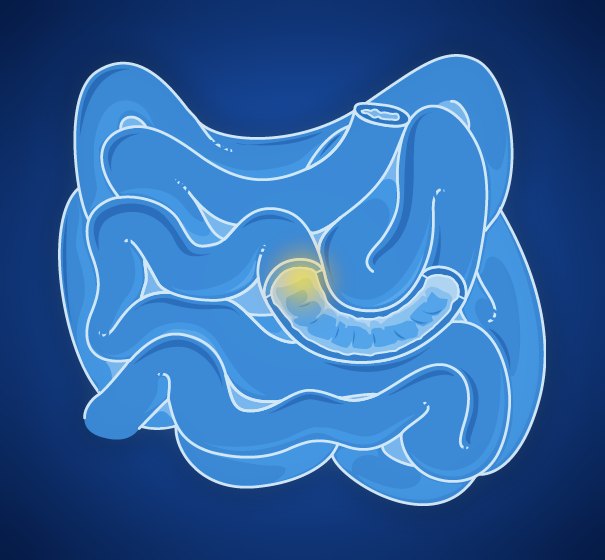

Peritoneal cancer is not one disease. It may represent spread from the appendix, colon, ovary, stomach or another organ, or a primary peritoneal malignancy. The central treatment question is whether the cancer biology and distribution make aggressive regional treatment worthwhile.
For an international patient, planning is especially demanding because the operation can be long, the exact extent of surgery may not be known until exploration, recovery can be unpredictable, and treatment often has to be coordinated with chemotherapy before or after surgery.
Treatment Is a Team Decision
Whether to operate, whether to add heated chemotherapy and whether to give chemotherapy first are decisions that depend on the exact primary cancer, its grade, how widely it has spread within the abdomen and your overall fitness. They should be made by a specialist team after reviewing your own pathology and scans, not from a package brochure.
Urgent Warning
Severe or worsening abdominal pain with a hard swollen abdomen, repeated vomiting with inability to pass wind or stool, fever with shaking chills, vomiting blood or passing black stools, new breathlessness or chest pain, or collapse needs emergency assessment at the nearest hospital. Bowel obstruction, perforation and infection can progress within hours, so treatment should not be delayed while arranging international travel.
A diagnosis of peritoneal cancer raises questions that are hard to answer from a distance: which cancer did it start from, how much of the abdomen is involved, and can all of it realistically be removed? The answers decide whether a major operation is likely to help or whether chemotherapy, or a different plan, is safer. This guide is written to help you understand which situation you may be in, ask any surgeon the questions that matter, and organise the whole journey, not only the operation. It does not promise outcomes; every cancer and every patient is different. Use it alongside your own reports and your own doctors' advice.
Short Answer: Is India a Good Option?
For carefully selected patients, India can provide specialist cytoreductive surgery (CRS), HIPEC, complex bowel and multivisceral resection, medical oncology, interventional radiology and ICU support at costs substantially below many Western private/self-pay pathways. The safest first step is expert review of pathology and complete imaging before travel - not booking HIPEC simply because peritoneal disease is present. The primary tumour, its grade and how much of the abdomen is involved decide whether surgery helps at all, and for some patients chemotherapy first, or no operation, is the better advice. Ask for a written opinion and keep travel dates flexible. Severe pain, repeated vomiting or fever needs local emergency care first.
Quick Facts: Peritoneal and Advanced Abdominal Cancer Treatment for International Patients in India
| Topic | Typical planning information |
|---|---|
| Main specialist treatment | Cytoreductive surgery (CRS), with HIPEC in selected tumor types/settings |
| Key diseases | Appendiceal/PMP, colorectal peritoneal metastases, peritoneal mesothelioma, selected ovarian and other cancers |
| Main selection tools | Tumor biology, PCI, small-bowel involvement, extra-abdominal disease, fitness and likelihood of complete cytoreduction |
| Typical hospital stay | Often about 10-18+ days after major CRS/HIPEC |
| International stay | Often about 3-4 weeks or longer; flexible travel is important |
| India cost planning | CRS + HIPEC commonly about US$12,000-25,000+; extensive multivisceral/reoperative cases can be higher |
| Most important warning | HIPEC cannot compensate for incomplete removal of bulky macroscopic disease |
| Core imaging | Contrast CT of chest, abdomen and pelvis; MRI or PET-CT selectively; diagnostic laparoscopy when imaging is uncertain |
| Operation length | Often many hours; depends on PCI and the number of resections |
| Possible stoma | Possible after bowel or rectal resection; should be discussed before surgery |
| Anaesthesia | General anaesthesia with epidural or other regional pain control, invasive monitoring and planned ICU/HDU care |
| Team you need | Peritoneal-surface surgical oncologist, medical oncologist, anaesthetist, intensivist, radiologist, pathologist, dietitian and stoma nurse |
| Alternatives to consider | Systemic chemotherapy first, standard debulking without HIPEC, PIPAC in selected pathways, palliative surgery and supportive care |
| Records to send | Pathology, actual CT/MRI/PET images, operative notes, chemotherapy history, tumor markers and endoscopy reports |
| Major Indian hubs | Surgical oncology programmes in Delhi NCR, Mumbai, Bengaluru, Chennai, Hyderabad, Kolkata and other major cities; confirm each team's own CRS/HIPEC volume |
| Companion | Advisable and usually essential; a medical attendant visa can be arranged |
Understanding Peritoneal Cancer, Why India, Causes, Symptoms and Diagnosis
What Is Peritoneal Cancer?
The peritoneum is the thin lining covering the abdominal cavity and many abdominal organs. Cancer can seed this surface, producing nodules, plaques, mucin or ascites. Historically this was often considered uniformly terminal; modern treatment recognizes important subgroups in which regional surgery can produce prolonged survival and, in selected patients, durable disease control.
The word "peritoneal" describes where the cancer is, not what it is. A tumour that began in the appendix, the bowel or the ovary and spread to the lining behaves very differently from one that began in the lining itself, and a slow, mucin-producing appendix tumour behaves very differently from an aggressive stomach cancer. This is why the same words, "cancer in the abdomen lining", can lead to a major operation for one person and chemotherapy alone for another.
Which Cancers Are Relevant?
| Disease | Typical role of aggressive regional treatment |
|---|---|
| Appendiceal mucinous neoplasm | |
| / pseudomyxoma peritonei | CRS + HIPEC is a major established strategy when complete cytoreduction is feasible. |
| Colorectal peritoneal metastases | CRS can be valuable in highly selected patients; HIPEC use is selective and regimen/evidence dependent. |
| Malignant peritoneal mesothelioma | CRS + HIPEC is an important specialist-centre option in selected fit patients. |
| Ovarian/fallopian-tube cancer | Maximal cytoreduction is central; HIPEC may be considered in selected interval-debulking settings. |
| Gastric cancer with peritoneal disease | Systemic therapy is standard for most; CRS/HIPEC remains highly selected/investigational in many settings. |
| Other primaries | Individualized; peritoneal spread alone is not an indication for HIPEC. |
Pancreatic, small-bowel, uterine and some rarer tumours can also spread to the peritoneum. For these, regional surgery is rarely standard, and a specialist team should explain clearly why it is, or is not, being considered.
Why International Patients Consider India
- Access to surgical oncologists experienced in complex abdominal cytoreduction.
- Multispecialty hospitals with colorectal, hepatobiliary, gynecologic, urologic, thoracic and reconstructive backup.
- HIPEC perfusion technology at selected major cancer centres.
- Substantially lower private/self-pay costs than many Western systems.
- Ability to obtain remote multidisciplinary review before travel.
- International-patient departments for visa letters, accommodation and coordination.
Patient Tip
Compare the experience of the actual CRS/HIPEC team, not simply whether the hospital owns a HIPEC machine.
Other practical reasons patients look at India include shorter waiting times for specialist review, English widely used in hospitals, the possibility of combining surgery, chemotherapy and follow-up under one roof, and package structures that can be compared item by item. None of this means every patient should travel. India is a sensible option when the diagnosis is established, the imaging is complete, the patient is fit for a long journey and the home team will take over care afterwards. It is not a good option for someone who is obstructed, bleeding, septic or rapidly deteriorating, who needs urgent local treatment first.
How Does India Compare with Other Medical Travel Destinations?
Patients often compare India with Singapore, Turkey, Thailand, South Korea or the Gulf. The honest comparison is about the whole pathway, not the price list:
| Factor | What India can offer | What to verify |
|---|---|---|
| Cost | Often a large saving against private care in the USA, UK, Australia and the Gulf for CRS and HIPEC. | That the quote names the operation, expected resections, HIPEC drug, ICU stay and exclusions in writing. |
| Team volume | Several specialist surgical oncology units perform CRS/HIPEC regularly. | The named surgeon's own annual CRS/HIPEC volume, CC-0 rate and complication rates, not just the hospital's reputation. |
| Multivisceral backup | Colorectal, hepatobiliary, gynecologic, urologic and thoracic teams in large centres. | Whether those surgeons are available on the day, not only listed on the website. |
| HIPEC technology | Perfusion systems at selected centres. | Which drug, temperature and duration are used for your cancer and why. |
| Pathology and molecular testing | Histology and molecular profiling in many centres. | Whether an expert peritoneal-tumour pathologist reviews your slides, and which tests will be done. |
| Waiting time | Usually short once records are reviewed. | Whether more imaging, laparoscopy or chemotherapy first changes the plan. |
| Follow-up | Review, scans and a written plan before you leave India. | Who will provide chemotherapy, surveillance and wound or stoma care at home. |
| Language and communication | English widely spoken; interpreters can be arranged. | That consent and discharge instructions are in a language you understand. |
A Fair Comparison
Outcomes in peritoneal cancer depend heavily on the primary tumour, its grade, how much of the abdomen is involved and whether all visible disease can be removed. A centre in India can offer comparable technical care for a patient with the same disease, but it cannot change the biology of the cancer. Judge a centre by its volume, its complete-cytoreduction and complication rates, its willingness to say when surgery is not appropriate and its transparency, not by a price or a promise.
Be Careful with Technology Claims
HIPEC machines, newer drug combinations, PIPAC and robotic or minimally invasive staging are valuable in selected patients, but claims that one platform or protocol is more curative than another are stronger than the evidence. What matters most is selecting the right patient, achieving complete cytoreduction and having a team that can manage complications. Ask for the surgeon's results for patients like you, not general statements about the equipment.
What Causes Peritoneal Cancer, and Who Is at Higher Risk?
Peritoneal cancer is usually the result of another cancer spreading, so the causes are those of the primary tumour. For many patients no clear cause is found. The factors below raise risk, although many people with risk factors never develop peritoneal disease:
| Factor | How it relates to peritoneal cancer |
|---|---|
| Appendix or bowel tumours that perforate or leak | Cells or mucin escaping into the abdomen can seed the lining; this is how pseudomyxoma peritonei usually arises. |
| Colorectal cancer | Tumours that invade through the bowel wall, perforate or obstruct are more likely to seed the peritoneum, and it is one of the common sites of spread. |
| Ovarian and fallopian-tube cancer | Often spreads across the peritoneal surfaces early; inherited BRCA1/BRCA2 changes and a family history raise risk of the primary cancer. |
| Gastric cancer | Diffuse and signet-ring types in particular tend to spread along the peritoneum. |
| Asbestos exposure | The main recognised cause of malignant peritoneal mesothelioma, although many patients have no known exposure. |
| Inherited cancer syndromes | Lynch syndrome and BRCA-related syndromes raise risk of bowel and ovarian cancers that can later involve the peritoneum. |
| Earlier abdominal cancer surgery | Spillage or incomplete removal can contribute to later peritoneal recurrence. |
| Advanced stage at diagnosis | Larger or deeper primary tumours are more likely to have spread to the peritoneum. |
| No known risk factor | Many patients have none; spread to the lining is not a result of anything the patient did. |
What Are the Symptoms That Lead to Investigation?
Early peritoneal cancer often causes few symptoms, and it is sometimes found on a scan done for another reason or at an operation for another problem. Symptoms that should prompt investigation include:
| Symptom | What it may mean |
|---|---|
| Increasing abdominal swelling or a feeling of fullness | May reflect ascites (fluid) or mucin filling the abdomen. |
| Early fullness, poor appetite or weight loss | Common as disease spreads; also seen in many other conditions. |
| Abdominal pain or discomfort | May reflect tumour on the bowel or lining, or partial obstruction. |
| Nausea, vomiting or constipation | May reflect bowel narrowing or obstruction and needs prompt assessment. |
| Change in bowel habit or blood in stool | May point to a bowel primary tumour. |
| A new hernia or umbilical swelling | In pseudomyxoma peritonei, mucin can present as a hernia. |
| Pelvic symptoms or bloating in women | May be the first sign of an ovarian or fallopian-tube cancer. |
| Shortness of breath | May reflect fluid around the lung or pressure from a swollen abdomen. |
| Fatigue and anaemia | Non-specific, but important if combined with other symptoms. |
| No symptoms at all | Some disease is found incidentally on imaging or during surgery. |
These symptoms are common to many harmless conditions. They deserve examination and imaging rather than repeated reassurance, especially in anyone with a past bowel, appendix or ovarian cancer.
Imaging, Staging and the Diagnostic Pathway for International Patients in India for Peritoneal and Advanced Abdominal Cancer
Planning aims to answer three questions: what is the exact primary cancer and grade, how much of the abdomen is involved, and could all of it be removed safely? The steps below show how a careful team arrives at the answers:
| Step | What happens | What it answers |
|---|---|---|
| 1 | Examination, blood tests and tumour markers (CEA, CA19-9, CA-125 as relevant) | Overall fitness, anaemia, nutrition and markers that help follow response. |
| 2 | Contrast CT of chest, abdomen and pelvis | How much disease is visible and whether there are spread sites outside the abdomen. |
| 3 | MRI or PET-CT where useful | Detail in the pelvis, liver and mucinous disease; PET may miss low-grade mucinous tumours. |
| 4 | Review of pathology and molecular tests | Exact primary cancer, grade and whether drugs targeted to a mutation are options. |
| 5 | Colonoscopy or endoscopy as relevant | Whether the primary tumour is still in place or another bowel problem exists. |
| 6 | Diagnostic laparoscopy when imaging is uncertain | Direct look at PCI, small-bowel involvement and resectability. |
| 7 | Fitness, nutrition and cardiopulmonary assessment | Whether you can safely tolerate a prolonged operation. |
| 8 | Multidisciplinary peritoneal tumour board | Whether to operate, give chemotherapy first, add HIPEC or choose another approach. |
Each step can change the plan, and skipping one can mean an operation that does not match the real extent of disease. A centre that is willing to explain this sequence for your case is likely to plan carefully.
Candidacy, Evaluation, Options and Preparation for International Patients in India for Peritoneal and Advanced Abdominal Cancer
Who May Be a Candidate for CRS?
- Disease predominantly confined to the peritoneal cavity or with only carefully selected additional sites.
- Tumor biology known to benefit from complete cytoreduction.
- A realistic expectation that all visible disease can be removed without unacceptable loss of bowel or organ function.
- Adequate performance status, nutrition and cardiopulmonary/renal reserve for a prolonged operation.
- No rapidly progressive biology that makes major surgery unlikely to change outcome.
Candidacy is not decided by a single test. It is the combined judgement of the tumour type, the extent of disease on imaging and at exploration, how you responded to any chemotherapy, and whether your body can tolerate a long operation and the recovery that follows.
What Is the Peritoneal Cancer Index (PCI)?
PCI divides the abdomen and pelvis into 13 regions and scores lesion size in each, producing a score from 0 to 39. A higher PCI usually means more extensive disease, but the meaning is cancer-specific: a burden acceptable in low-grade appendiceal PMP may be unsuitable in colorectal cancer.
| Part of the score | How it works | Why it matters to you |
|---|---|---|
| 13 regions | Nine regions of the abdomen and pelvis plus four regions of the small bowel are each scored. | Disease in the small bowel regions is often what limits complete removal. |
| Lesion size score (0-3 per region) | 0 means no visible disease; 1 up to 0.5 cm; 2 up to 5 cm; 3 larger than 5 cm or confluent disease. | Scores reflect what the surgeon can see and feel, so an estimate from CT can differ from the true score. |
| Total PCI (0-39) | The region scores are added together. | The same number means different things for different cancers, so ask what the figure means for yours. |
| Imaging versus surgery | CT and MRI estimate PCI; laparoscopy or open exploration measures it. | Small implants can be missed on scans, so the final plan may change at exploration. |
Why Small-Bowel Disease Matters
Diffuse tumor coating the small bowel or its mesentery can make complete cytoreduction impossible without causing short-bowel syndrome. This is one of the most important reasons a surgeon may appropriately decide not to proceed.
The small bowel is where food is absorbed, and a person needs a certain length of working bowel to maintain nutrition without lifelong intravenous feeding. If tumour is spread throughout the bowel rather than in one or two segments, removing it all would leave too little, so the team may stop or choose chemotherapy rather than cause permanent harm.
When CRS/HIPEC May Not Be Recommended
- Uncontrolled extra-abdominal metastases in most disease settings.
- Diffuse unresectable small-bowel/mesenteric involvement.
- Poor performance status, severe frailty or major organ dysfunction.
- Rapid progression despite appropriate systemic therapy.
- An operation likely to leave substantial macroscopic disease.
- A tumor type in which HIPEC has no established meaningful role.
Why This Matters
A specialist opinion that recommends against surgery can be as valuable as an operation. The goal is benefit, not procedural intensity.
If a team advises against surgery, ask what they would recommend instead, whether chemotherapy could change the picture and when disease should be reassessed. Being told that an operation is not the right step is a medical judgement, not a rejection.
Records to Send for Remote Review
- Complete pathology report and, if possible, pathology slides/blocks for expert review.
- Recent contrast CT chest/abdomen/pelvis; MRI or PET-CT if performed.
- Actual DICOM imaging, not only written reports.
- Previous operative notes, especially prior bowel/ovarian/appendiceal surgery.
- Chemotherapy drugs, dates, number of cycles and response.
- Tumor-marker trends such as CEA, CA19-9 or CA-125 where relevant.
- Colonoscopy/endoscopy reports where relevant.
- Current blood tests, medications, comorbidities, height/weight and functional status.
Investigations Commonly Used
High-quality CT is the backbone of staging. MRI can better define selected mucinous, pelvic or liver disease. PET-CT is useful selectively but may underestimate low-grade mucinous disease. Diagnostic laparoscopy can directly assess PCI and resectability when imaging is uncertain.
| Test | What it shows | Limits to know |
|---|---|---|
| Contrast CT chest, abdomen and pelvis | Distribution of disease, ascites, bowel obstruction and spread outside the abdomen. | Can miss small implants, especially on the small bowel. |
| MRI | Detail of the pelvis, liver and mucinous disease. | Takes longer, and results depend on the radiologist's experience. |
| PET-CT | Active tumour in selected cancers and spread to distant sites. | May underestimate low-grade mucinous disease. |
| Diagnostic laparoscopy | Direct view and scoring of PCI, and biopsies. | A small operation under anaesthesia, used when imaging is uncertain. |
| Colonoscopy or endoscopy | State of the bowel and stomach primary tumour. | Does not show the peritoneum itself. |
| Blood tests and tumour markers | Fitness, anaemia, kidney and liver function; trends in CEA, CA19-9 or CA-125. | Markers can be normal even with disease, and are not a diagnosis. |
| Biopsy of a peritoneal deposit | Confirms the tumour type and grade. | Needs a specialist team to avoid seeding the biopsy track. |
Medical Fitness and Nutrition
Albumin, weight loss, anemia, renal function, diabetes, cardiopulmonary reserve and frailty matter because CRS can last many hours. Prehabilitation and nutritional optimization may be recommended before surgery.
Fitness is assessed with blood tests, an ECG and echocardiogram, lung function tests when relevant, and an anaesthetic review. Many patients begin with weight loss and low protein stores from the disease, so correcting anaemia and rebuilding strength before surgery can lower complications and speed recovery.
Pathology and Molecular Testing for International Patients in India for Peritoneal and Advanced Abdominal Cancer
Treatment depends on the primary tumor and grade. Colorectal disease may require RAS/BRAF and MSI/MMR testing; appendiceal disease must distinguish low-grade mucinous biology from high-grade adenocarcinoma; ovarian pathways may require BRCA/HRD testing.
Your Next Step
Ask for a written preliminary opinion covering diagnosis, estimated PCI, resectability, whether CRS is appropriate, whether HIPEC adds value, likely organ resections, expected stay and a cost range before you travel.
A second review of your pathology slides by a pathologist who regularly sees peritoneal tumours is often worth doing, because grade and subtype (for example low-grade versus high-grade appendiceal disease) can change the whole plan.
Treatment Options at a Glance
The first treatment depends on the primary cancer, its grade, the extent of disease, how you have responded to any chemotherapy and your wishes. The table summarises how the main pathways compare, and your own team will tailor it:
| Situation | Usual first approach | What to ask |
|---|---|---|
| Low-grade appendiceal mucinous tumour or pseudomyxoma peritonei, disease that can be cleared | CRS with HIPEC at an experienced centre | Can complete cytoreduction be achieved, and what is the plan for the small bowel? |
| High-grade appendiceal adenocarcinoma | Chemotherapy first in many cases, then reassessment for CRS | How will response be judged before deciding on surgery? |
| Colorectal peritoneal metastases, limited disease, good response to chemotherapy | Complete CRS in selected patients; HIPEC selectively | What is my PCI, and is HIPEC adding anything for my cancer? |
| Colorectal peritoneal metastases with extensive or extra-abdominal disease | Systemic therapy | Could my disease become suitable for surgery after treatment? |
| Peritoneal mesothelioma, resectable and fit | CRS + HIPEC at a specialist centre | What are the team's results with mesothelioma specifically? |
| Ovarian or fallopian-tube cancer | Maximal cytoreduction with platinum-based chemotherapy; HIPEC in selected interval settings | Is primary surgery or chemotherapy first more suitable for me? |
| Gastric cancer with peritoneal metastases | Systemic therapy; regional treatment only in selected or research settings | Is any regional approach standard for my situation, or only investigational? |
| Unresectable or high-burden disease | Systemic therapy, symptom control, PIPAC in selected pathways | When will the team reassess for surgery, and who manages symptoms meanwhile? |
Is Treatment in India Right for You? A Short Checklist
This checklist is not a decision, but it helps you see whether you are likely to be a good candidate for treatment in India. Ask yourself:
Consider Treatment in India If
- Your diagnosis and primary cancer are established by pathology, and CT or MRI images are available.
- You know the details of any chemotherapy given, and your recent blood tests and tumour markers.
- You are medically fit for a long journey and have no active bowel obstruction, fever or bleeding.
- You understand that the plan may change at exploration, and that surgery may be stopped if disease is not removable.
- You have a companion, a visa plan and a home oncologist willing to take over chemotherapy and surveillance.
- You can plan a flexible stay of about three to four weeks or longer, without a fixed return date.
Pause and Take Local Advice First If
- You have a bowel obstruction, persistent vomiting, a hard swollen abdomen or severe pain.
- You have fever, chills or signs of infection, or are vomiting blood or passing black stools.
- Your disease is progressing quickly despite chemotherapy.
- You are very weak, losing weight rapidly or unable to eat or drink.
- You have no pathology or imaging yet, because the first step is a diagnosis.
- A centre insists on a surgery date and price before reviewing your reports.
Preparing Before Travel
- Improve protein/calorie intake and correct anemia where possible.
- Stop smoking and optimize diabetes, blood pressure and heart/lung conditions.
- Discuss anticoagulants and all supplements; do not stop medicines independently.
- Build walking strength and respiratory fitness within tolerance.
- Arrange an attendant for a major CRS/HIPEC journey.
- Use flexible flights and plan accommodation close to the hospital.
Preparing yourself before treatment (prehab)
| Area | What to do |
|---|---|
| Nutrition | Small frequent high-protein meals, oral supplements if advised, and a dietitian review; report weight loss early. |
| Strength and breathing | Daily walking within tolerance, breathing exercises and, if advised, a physiotherapy programme before and after surgery. |
| Anaemia | Iron or other treatment if your team advises, since anaemia can raise transfusion needs. |
| Smoking and alcohol | Stop smoking, and avoid alcohol, as both increase wound, chest and healing problems. |
| Medical conditions | Review diabetes, blood pressure, heart and lung disease and kidney function so they are stable. |
| Medicines | Carry a full list; ask about blood thinners, aspirin, anti-inflammatory painkillers and supplements. |
| Stoma preparation | If a stoma is possible, ask for a stoma nurse to explain it and mark a site before surgery. |
| Emotional preparation | Arrange support for you and your companion, and agree who will make decisions if you are unable to. |
Prehab is not about perfection. Even two or three weeks of better nutrition, daily walking and treatment of anaemia can help, and your team will tell you how much time you can safely spend preparing without delaying treatment.
Cytoreductive Surgery and Your Surgery Day
What Is Cytoreductive Surgery?
CRS removes visible tumor from peritoneal surfaces and involved organs. It is not one operation; it is a tailored combination of peritonectomy and organ resections.
The surgeon works through the abdomen systematically, stripping or removing tumour-bearing lining and any organ that cannot be cleared without removing it. Because the real extent of disease is often only clear once the abdomen is open, the final list of organs removed is decided during surgery, which is why the consent discussion should cover the full range of possibilities.
Procedures That May Be Required
| Procedure | Purpose |
|---|---|
| Parietal peritonectomy | Removal of tumor-bearing abdominal lining. |
| Omentectomy | Removal of involved greater/lesser omentum. |
| Colectomy / rectal resection | For colorectal primary or bowel surface/invasive disease. |
| Small-bowel resection | For selected localized involvement while preserving adequate bowel length. |
| Splenectomy | For splenic or left upper-quadrant disease. |
| Diaphragm stripping/resection | For upper abdominal implants. |
| Hysterectomy/BSO | For pelvic/ovarian involvement when appropriate. |
| Partial gastrectomy / bladder /liver-surface procedures | Selected direct or surface involvement. |
You will not necessarily need all of these. A person with limited low-grade disease may need only a few; extensive disease may need many. Ask your surgeon which are likely for you, and what each would mean for eating, bowel and bladder function afterwards.
Completeness of Cytoreduction
CC-0 means no visible residual disease. CC-1 indicates only tiny residual nodules; CC-2/3 indicate progressively larger macroscopic residual disease. For many indications, the expected ability to achieve CC-0 is one of the strongest reasons to offer surgery.
| Score | What remains | What it generally means |
|---|---|---|
| CC-0 | No visible residual tumour | The surgical goal; the best basis for long-term control in suitable cancers. |
| CC-1 | Residual nodules smaller than 2.5 mm | Often still considered a reasonable result, especially when followed by HIPEC in suitable tumours. |
| CC-2 | Residual nodules between 2.5 mm and 2.5 cm | Heated chemotherapy cannot reach tumour this thick; benefit is much less certain. |
| CC-3 | Residual nodules larger than 2.5 cm or confluent disease | Considered an incomplete operation; the case for HIPEC is weak. |
Multivisceral Surgery
Extensive disease may require several organ resections in one operation. The surgeon must balance cancer clearance against bowel length, urinary/sexual function, nutritional consequences and complication risk.
Possibility of a Stoma
A temporary or permanent ileostomy/colostomy may be required after bowel or rectal resection. Patients should be counselled before surgery rather than learning about this possibility after waking from anesthesia.
Ask About a Stoma Before Surgery
Ask whether a stoma is likely, whether it would be temporary, who will teach you to manage it and what supplies you will need on the flight and at home. A stoma nurse should meet you before surgery and mark a suitable site.
What If the Surgeon Finds Unresectable Disease?
A responsible preoperative consent process should discuss this possibility. Depending on findings, the team may take biopsies, relieve obstruction, create a stoma or stop rather than perform a harmful incomplete cytoreduction. Ask in advance what will happen financially and medically if surgery is stopped, who will tell your companion, and how the plan would then change, for example to chemotherapy in India or at home.
Your Surgery Day, Step by Step for International Patients in India for Peritoneal and Advanced Abdominal Cancer
Every hospital has its own routine, but a major CRS operation commonly follows this pattern:
| Stage | What happens |
|---|---|
| Evening before | Final consent discussion, bowel preparation if advised, fasting instructions and medicine review; stoma site marking if relevant. |
| Morning | Final checks of blood tests and consent, identity and site checks, and a visit from the anaesthetist. |
| Anaesthesia | General anaesthesia with invasive monitoring lines and, in many centres, an epidural or other pain-control technique. |
| Exploration | The surgeon examines the abdomen, scores PCI and confirms whether complete cytoreduction is realistic; the plan may change here. |
| Cytoreduction | Peritonectomy and organ resections to remove all visible disease, often over many hours. |
| HIPEC, if planned | Heated chemotherapy is circulated through the abdomen for a protocol-defined time before the bowel is reconnected or the abdomen is closed. |
| Reconstruction and closure | Bowel is reconnected or a stoma is created; drains are placed and the wound is closed. |
| Recovery unit | Transfer to the ICU or HDU for monitoring, pain control, fluids and early breathing exercises. |
| Day 1 and after | Sitting out of bed, walking, physiotherapy, drains and lines reviewed daily, and nutrition reintroduced as the bowel recovers. |
Your companion should know where to wait, how the surgeon will update them, and that long operations are normal. A long time in theatre does not by itself mean something has gone wrong.
HIPEC, Other Intraperitoneal Treatments and Systemic Therapy for International Patients in India
What Is HIPEC?
After cytoreduction, heated chemotherapy is circulated through the abdomen for a protocol-defined period. Heat can increase the cytotoxic effect of selected drugs and local delivery exposes microscopic peritoneal disease to high drug concentrations.
The warmed drug is pumped through the abdomen using a perfusion system, commonly at a temperature a few degrees above normal body temperature, for a set time that depends on the drug and protocol. Because much of the drug stays in the abdomen, the whole body is exposed to less than with intravenous chemotherapy, although side effects can still occur.
What HIPEC Cannot Do
Drug penetration is shallow. HIPEC is therefore not a substitute for removing bulky visible tumor.
Common HIPEC Drugs
Mitomycin C, oxaliplatin, cisplatin and other drugs may be used depending on tumor type and institutional protocol. Dose, temperature and duration vary; protocols are not interchangeable.
Colorectal Cancer Nuance
For selected colorectal peritoneal metastases, complete CRS is the critical therapeutic component. Randomized evidence has questioned routine short-duration oxaliplatin HIPEC, so HIPEC should not be marketed as mandatory for every colorectal patient.
Ovarian Cancer Nuance
HIPEC may be considered in selected interval-debulking settings at experienced centres, but it does not replace high-quality cytoreduction or systemic platinum-based treatment.
PIPAC and EPIC
PIPAC (pressurized intraperitoneal aerosol chemotherapy) and EPIC (early postoperative intraperitoneal chemotherapy) are separate techniques. PIPAC is generally used in selected unresectable/research or symptom-control pathways and is not equivalent to CRS/HIPEC.
Remember
Ask why HIPEC is being recommended for your exact primary cancer, not simply whether the hospital offers it.
Intraperitoneal treatments compared
| Approach | How it is given | Typical role |
|---|---|---|
| HIPEC | Heated chemotherapy circulated in the abdomen during the operation, after cytoreduction. | Selected cancers where complete or near-complete cytoreduction is achieved. |
| EPIC | Chemotherapy given into the abdomen through catheters in the early days after surgery. | Used in some protocols; less common than HIPEC. |
| PIPAC | Chemotherapy delivered as a pressurised aerosol through keyhole surgery, repeated in cycles. | Selected unresectable, research or symptom-control pathways. |
| Intravenous chemotherapy | Drugs given through a vein, before or after surgery or alone. | Standard backbone for most peritoneal cancers; treats the whole body. |
What you may experience after HIPEC
| Effect | What you may notice | What helps |
|---|---|---|
| Low blood counts | Tiredness, infections or bruising several days after surgery | Blood tests, transfusion if needed, and infection precautions. |
| Kidney strain | Reduced urine, swelling or rising creatinine, especially with cisplatin | Fluids, kidney protection and avoiding kidney-toxic medicines. |
| Slow bowel recovery | Nausea, bloating and delayed eating | Gradual feeding, nutrition support and early walking. |
| Nausea and fatigue | General tiredness and poor appetite for weeks | Anti-sickness medicines, small frequent meals and rest. |
| Wound healing problems | Delayed healing or infection | Wound care, nutrition and early review. |
Appendiceal Tumors and Pseudomyxoma Peritonei for International Patients in India for Peritoneal and Advanced Abdominal Cancer
Low-grade appendiceal mucinous disease can behave indolently yet progressively fill the abdomen with mucin. CRS/HIPEC can provide long-term control when complete cytoreduction is feasible. High-grade appendiceal adenocarcinoma behaves more aggressively and may require systemic chemotherapy.
Colorectal Peritoneal Metastases
Selection considers PCI, small-bowel involvement, ability to achieve CC-0, response to systemic therapy, molecular biology and presence of liver/lung disease. Some patients receive chemotherapy before surgery to test biology and improve selection.
Peritoneal Mesothelioma
CRS/HIPEC is an important option for selected patients with resectable malignant peritoneal mesothelioma, but histology, distribution and fitness matter.
Ovarian Cancer
The core surgical principle is maximal cytoreduction to no gross residual disease when safely achievable. Primary surgery versus neoadjuvant chemotherapy followed by interval surgery depends on resectability and fitness.
Gastric and Other Primaries
For most gastric cancers with established peritoneal metastases, systemic therapy remains standard. Regional approaches should be presented as highly selected or investigational unless the patient fits a recognized specialist protocol.
When Chemotherapy Should Come First
Systemic therapy first may be preferable when biology is uncertain, disease burden is high, extra-peritoneal disease is present, or the team wants evidence of disease control before committing to a high-morbidity operation. Starting with chemotherapy is not a delay or a failure. It tests how the cancer behaves, treats unseen disease elsewhere in the body and helps select the patients who will really benefit from a major operation. Ask how response will be measured, and at what point surgery would be reconsidered.
Systemic treatments at a glance
| Treatment | Typical role | What to ask |
|---|---|---|
| Chemotherapy before surgery | Tests biology, treats microscopic disease and may shrink tumour. | How many cycles, and how will response guide the decision to operate? |
| Chemotherapy after surgery | Treats remaining microscopic disease and lowers recurrence risk in selected cancers. | Who will give it, and when can it restart after surgery? |
| Targeted therapy | Used when a tumour carries a specific mutation, for example in some bowel cancers. | Has molecular testing been done on my tumour? |
| Immunotherapy | Used in selected tumours, for example those with MSI-high or MMR-deficient colorectal cancer. | Is my tumour type one in which immunotherapy has a role? |
| PARP inhibitors and maintenance therapy | Used in some ovarian cancers, depending on BRCA/HRD status. | Has BRCA/HRD testing been done, and who will monitor treatment? |
| Palliative and supportive care | Symptom control, pain relief, drainage of fluid and nutrition support alongside treatment. | Who manages symptoms if treatment becomes difficult? |
Risks, Outcomes and Warning Signs
Major Risks of CRS/HIPEC for International Patients in India for Peritoneal and Advanced Abdominal Cancer
- Anastomotic leak, bowel fistula and intra-abdominal abscess.
- Bleeding and transfusion.
- Prolonged ileus and delayed nutrition.
- Sepsis and wound complications.
- Pleural effusion/pneumonia after diaphragm surgery.
- Renal injury, particularly with nephrotoxic perfusion regimens.
- Bone-marrow suppression depending on drug exposure.
- DVT/pulmonary embolism.
- Short-bowel syndrome if excessive intestine is removed.
- Reoperation, prolonged ICU stay and, rarely, treatment-related mortality.
CRS with HIPEC is one of the largest abdominal operations performed. No honest surgeon can quote one risk figure for all patients, because risk depends on the extent of disease, the number of resections, your fitness and whether you have had earlier surgery. Ask the team for its own figures for patients like you.
What Determines Outcome?
Primary tumor biology, grade, PCI, completeness of cytoreduction, response to systemic therapy and patient fitness are more meaningful than the label 'HIPEC' alone.
Previous Abdominal Surgery
Prior operations can create adhesions and distort anatomy, increasing operative time and bowel-injury risk. Previous incomplete debulking can also complicate later definitive CRS.
Older or Medically Complex Patients
Age alone is not an absolute exclusion, but frailty, cardiac/lung/kidney function, nutrition and recovery capacity become increasingly important.
Recurrent Peritoneal Disease
Selected patients may undergo repeat cytoreduction or other local therapy, but recurrence pattern, disease-free interval and feasibility of another complete resection must be reviewed.
What Could Go Wrong, and How Likely Is It?
The table shows how each complication arises and how teams reduce it. Rates differ between centres and patients, so ask the surgeon for the unit's own figures.
| Complication | How it happens | How it is reduced or treated |
|---|---|---|
| Anastomotic leak or fistula | A bowel join or the bowel wall leaks after resection, more likely with poor nutrition, steroids or long operations. | Careful technique, good nutrition, drainage, antibiotics, re-operation or a stoma if needed. |
| Intra-abdominal abscess or sepsis | Bacteria collect in fluid or tissue left in the abdomen. | Antibiotics, image-guided drainage and sometimes re-operation. |
| Bleeding | Blood loss during or after surgery from raw surfaces or vessels. | Meticulous haemostasis, blood products and return to theatre if needed. |
| Prolonged ileus | The bowel is slow to restart after a long operation. | Early walking, careful feeding, nutrition support and bowel rest if needed. |
| Chest problems | Fluid on the lung or pneumonia after diaphragm surgery or long anaesthesia. | Breathing exercises, early mobilisation, drainage of fluid and antibiotics. |
| Kidney injury | Strain from fluid shifts or HIPEC drugs, especially cisplatin. | Fluid management, kidney protection and avoiding toxic medicines. |
| Low blood counts | Bone-marrow suppression from absorbed chemotherapy. | Blood tests, infection precautions and transfusion if needed. |
| Blood clots (DVT/PE) | Cancer, immobility and major surgery raise clot risk. | Clot-prevention injections, compression stockings, early walking and extended prevention if advised. |
| Wound infection or hernia | Infection of the incision or later weakness of the wall. | Wound care, antibiotics and abdominal support. |
| Short-bowel syndrome or malnutrition | Too little working bowel remains to absorb enough food. | Careful planning, dietitian support and, if needed, parenteral nutrition. |
| Recurrence | Disease returns in the abdomen or elsewhere. | Surveillance, further chemotherapy, repeat surgery in selected cases. |
Warning Symptoms After Discharge
- Fever or increasing wound redness/drainage.
- Persistent vomiting or abdominal distension.
- New severe abdominal pain.
- Inability to eat/drink or high-output stoma.
- Shortness of breath, chest pain or calf swelling.
- Reduced urine output, dizziness or marked weakness.
Some signs need quick action. Share the table below with your companion, and keep the hospital's emergency number on your phone.
| Sign | What it may mean | What to do |
|---|---|---|
| Fever of 38°C or above, or chills | Infection, abscess or leak | Contact your surgical team the same day; go to emergency if unwell. |
| Increasing wound redness, swelling or discharge | Wound infection | Contact your team the same day. |
| Persistent vomiting, bloating or no wind or stool | Bowel obstruction or ileus | Emergency care; do not wait. |
| Sudden severe abdominal pain | Leak, perforation or bleeding | Emergency care at once. |
| Stoma output suddenly very high, or a dark or dusky stoma | Dehydration or poor blood supply to the stoma | Contact your team at once; emergency care if dizzy. |
| Shortness of breath, chest pain or a swollen painful calf | Blood clot or fluid on the lung | Emergency care at once. |
| Reduced urine, dizziness or marked weakness | Dehydration or kidney problem | Contact your team the same day. |
| Black stools or vomiting blood | Bleeding in the digestive tract | Emergency care at once. |
What You Can Do to Reduce Your Risk for International Patients in India for Peritoneal and Advanced Abdominal Cancer
Practical Steps
- Follow your prehab plan: eat protein-rich meals, walk daily and correct anaemia before surgery.
- Stop smoking and avoid alcohol before and after surgery.
- Tell your team about every medicine and supplement, and follow the plan for blood thinners.
- Do breathing exercises and walk as soon as your team allows, to prevent chest problems and clots.
- Learn stoma care before discharge if you have a stoma, and keep supplies with you.
- Drink and eat as advised, and report vomiting, bloating or very high stoma output early.
- Do not fly long-haul until your surgeon confirms your wounds, bowel function and mobility are stable.
- Keep every scan, blood test and chemotherapy appointment scheduled, and carry your results with you.
Recovery Week by Week, Nutrition and Travel
Recovery Timeline
| Period | Typical recovery |
|---|---|
| Days 0-3 | ICU/HDU or ward monitoring; pain control, fluids, DVT prevention and early mobilization. |
| Days 3-7 | Bowel function begins returning; oral intake advances as tolerated. |
| Days 7-14+ | Drain/stoma management, wound recovery and discharge planning. |
| Weeks 2-6 | Fatigue and weight loss are common; walking and nutrition progressively improve. |
| Weeks 6-12 | Strength and functional recovery continue; systemic therapy may restart when appropriate. |
| >3 months | Surveillance and rehabilitation continue; some patients take months to regain baseline stamina. |
Recovery from CRS with HIPEC is slower and less predictable than from routine abdominal surgery. The table above gives the general pattern, and the table below shows what you and your companion may experience and can do at each stage.
| When | What to expect | What to do |
|---|---|---|
| Hospital, days | ||
| 1-3 | ICU or HDU monitoring, drains, lines and a catheter; pain managed with epidural or other methods; blood tests daily. | Breathe deeply, sit out of bed, walk with help and report pain, breathlessness or confusion. |
| Hospital, days | ||
| 4-7 | Bowel function begins; sips and then small meals; drains and lines are reviewed. | Walk several times a day, take small meals and tell staff about nausea or bloating. |
| Hospital, days | ||
| 8-14+ | Drains and stoma are managed, wounds heal and nutrition advances; discharge is planned once eating and mobility are adequate. | Learn wound and stoma care, review medicines and know whom to call. |
| First week after discharge | Tiredness, poor appetite and some weight loss; wound and stoma checks. | Eat small frequent meals, weigh yourself, rest between walks and report fever or vomiting. |
| Weeks 2-4 | Gradual improvement; pathology is reviewed and the plan for chemotherapy or surveillance is set. | Stay close to the hospital until cleared to fly; keep review appointments. |
| Weeks 4-6 | Many uncomplicated patients are cleared to travel; energy keeps improving. | Fly only after clearance, with flexible dates and an attendant. |
| Weeks 6-12 | Strength returns slowly; chemotherapy may restart when appropriate. | Gradual increase in activity; keep nutrition and exercise going. |
| After 3 months | Some people take months to regain full stamina; surveillance scans begin on schedule. | Keep attending reviews and report any new symptoms. |
Nutrition After CRS
Small frequent high-protein meals, hydration and dietitian support may be required. Some patients need temporary enteral or parenteral nutrition.
| Tip | Why it helps |
|---|---|
| Eat small meals six times a day rather than three large ones | Easier on a recovering bowel and helps you take in enough protein. |
| Add protein to every meal and use supplements if advised | Supports wound healing and rebuilds muscle. |
| Drink fluids steadily, especially with a stoma | Prevents dehydration and kidney strain. |
| Chew slowly and avoid very rich or gassy foods at first | Reduces bloating and discomfort. |
| Weigh yourself weekly and record it | Early weight loss is a signal to adjust the plan. |
| Take vitamins and minerals your team recommends | Some are poorly absorbed after bowel surgery. |
| Report vomiting, diarrhoea or high stoma output | These can lead to dehydration or poor absorption. |
| Avoid alcohol and unregulated herbal products | Some products strain the liver and kidneys or interfere with chemotherapy. |
How Long to Stay in India
For uncomplicated major CRS/HIPEC, international patients commonly plan about 3-4 weeks or longer. A leak, abscess, ileus or nutritional problem can extend this substantially.
Fit to Fly and DVT Prevention
Long-haul flight clearance depends on mobility, hydration, wound condition, anemia, bowel function and thromboembolism risk. Continue prescribed anticoagulation exactly as directed and request airport wheelchair assistance if needed.
Accommodation and Attendant
Choose accommodation close to the hospital with lift access, easy bathroom access, suitable food and space for an attendant. After CRS, convenience and rapid access to the treating team are more important than tourism.
Important
Do not book a rigid return date. CRS/HIPEC recovery is less predictable than routine abdominal surgery.
Practical Questions Patients Ask After the Operation for International Patients in India for Peritoneal and Advanced Abdominal Cancer
When can I eat normally? Usually in stages. Sips and small meals begin when the bowel starts to work, and normal portions return over weeks. Will I lose weight? Weight loss is common in the first weeks. Small frequent high-protein meals and dietitian support help you regain strength. Will I need a stoma, and will it be permanent? Only if bowel or rectal resection requires it. Many are temporary, and your surgeon should tell you which is likely before surgery. When can I walk and exercise? Walking begins in hospital within a day or two. Gentle daily walking increases over weeks, and heavy lifting waits until your surgeon allows it. When can I drive or work? Often after several weeks to a few months, depending on recovery and the type of work. Your surgeon will advise. When will I know the final pathology? Often within about a week. This report decides whether you need further treatment. Will I need chemotherapy afterwards? Often yes, depending on the cancer and pathology. Your team will agree a plan, ideally before you leave India. Can I have my follow-up care at home? Yes. A home oncologist can manage chemotherapy, scans and blood tests, and your records from India guide the plan. Will the cancer come back? It can. That is why scans, tumour markers and examinations continue for years. Is it safe to be intimate or travel for leisure afterwards? Usually once wounds have healed and your surgeon agrees; ask about timing, a stoma and sexual function in advance.
Travel Practicalities After CRS and HIPEC
| Topic | What to know |
|---|---|
| Fit to fly | Your surgeon decides, usually after wounds, bowel function, eating, blood counts and mobility are stable. Many uncomplicated patients are cleared around three to four weeks after surgery. |
| Wound and abdomen | Support the abdomen, avoid heavy luggage and ask for help lifting. |
| Blood clots | Walk every hour or two on long flights, drink fluids, wear compression stockings if advised and continue blood thinners as prescribed. |
| Stoma supplies | Carry extra bags, a change of clothes and a letter explaining your stoma and supplies in hand luggage. |
| Medicines | Carry a letter listing everything in original packaging in hand luggage, including anticoagulants and painkillers. |
| Seat and mobility | Request an aisle seat near the toilet and airport wheelchair assistance. |
| Insurance | Check that travel insurance covers complications and cancellation after major cancer surgery. |
| Records | Carry the operative note, discharge summary, pathology, scan discs and chemotherapy plan in hand luggage. |
| Emergency plan | Know the nearest hospital at home with surgical oncology services, and have your oncologist's contact on your phone. |
Living After Treatment and Special Situations for International Patients in India for Peritoneal and Advanced Abdominal Cancer
Living After Treatment at a Glance
| Area | What to expect and what to do |
|---|---|
| Energy and appetite | Tiredness and poor appetite gradually improve over weeks to months. |
| Diet | Small frequent protein-rich meals; a dietitian can help if weight loss or bowel changes continue. |
| Bowel function | Frequent loose stools or altered habit are common at first and often settle; report persistent problems. |
| Stoma care | Learn to manage it confidently before leaving; a stoma nurse at home can continue support. |
| Surveillance | Scans, tumour markers and examinations at intervals set by your team, often every few months at first. |
| Chemotherapy | Often restarts several weeks after surgery if advised, with your home oncologist. |
| Wound and hernia | Avoid heavy lifting until advised; report any bulge or wound problem. |
| Sexual and urinary function | May change after pelvic surgery or hysterectomy; ask for advice and support. |
| Follow-up visits | Frequent in the first two years, then at longer intervals. |
| Emotional wellbeing | Anxiety about recurrence and low mood are common; seek support early. |
Emotional Wellbeing and Realistic Expectations
A diagnosis of peritoneal cancer is frightening, and the journey to a specialist centre, a long operation and a slow recovery are a great deal to carry. It is normal to feel anxious, tired, angry or low at times. Some people feel guilty or search for a reason why this happened. Peritoneal cancer is not a punishment and nothing you did caused it to spread, so what matters now is the plan ahead, not blame. Ask your team what to expect, and say so if low mood, anxiety or poor sleep continues, because these respond to treatment. Talking to a counsellor, a support group or another patient can ease isolation. Your companion also carries a heavy load and needs rest, food and support.
Special Situations
| Situation | What to consider |
|---|---|
| Very high PCI or diffuse small-bowel disease | Complete removal may not be possible; chemotherapy first or a non-surgical plan may be safer. |
| Bowel obstruction at presentation | Needs urgent local assessment first; surgery is individual and often combined with a different plan. |
| Ascites or fluid causing breathlessness | Can be drained for comfort; the cause and plan still need review. |
| Earlier incomplete surgery or HIPEC elsewhere | Needs full records, as adhesions and altered anatomy can increase risk. |
| Older patients or those with heart, lung or kidney disease | Treatment is individualised by fitness and frailty rather than age alone. |
| Recurrence after earlier | |
| CRS | Repeat surgery or other treatment is possible in selected patients after careful review. |
| Hereditary cancer syndromes | Genetic counselling and testing for you and relatives may be advised. |
| Blood thinners or aspirin | Need a clear plan for stopping and restarting before and after surgery. |
| Pregnancy or fertility concerns in younger patients | Discuss fertility and ovarian preservation before treatment where appropriate. |
Choosing the Surgeon, Hospital and Treatment Team
Choosing a CRS/HIPEC Surgeon
- How many CRS/HIPEC operations does the surgeon/team perform?
- Which primary cancers do they treat most often?
- How do they estimate PCI and decide when not to operate?
- What is their CC-0 rate for patients similar to you?
- What are their major morbidity, reoperation and mortality rates?
- Can they perform complex bowel, diaphragm, liver-surface, pelvic and urinary procedures when required?
- Who manages complications after discharge?
Four more questions to ask
- Will the same surgeon who reviews my records perform the operation, and who will assist?
- Does a multidisciplinary peritoneal tumour board review my case before surgery?
- Can I speak with a previous international patient, or see the ICU and recovery pathway?
- How soon after surgery will I be reviewed by the oncology team about chemotherapy?
Hospital Capabilities
- Dedicated surgical oncology and peritoneal-surface malignancy programme.
- Experienced anesthesiology and ICU/HDU.
- Colorectal, hepatobiliary, gynecologic and urologic backup.
- Interventional radiology and advanced imaging.
- Blood bank and 24-hour emergency surgery.
- Nutrition, stoma care and physiotherapy.
- Medical oncology and molecular pathology.
- International-patient coordination.
What a Good International Patient Service Should Provide
A Good Service Will
- Review your pathology, CT or MRI images and treatment history before you travel and give a preliminary opinion in writing.
- Explain the options, including chemotherapy first, HIPEC or no HIPEC, and the chance that surgery is stopped.
- Give an itemised quotation that names the expected operation, HIPEC, ICU stay and exclusions.
- Arrange visa letters, airport transfers, accommodation near the hospital and a patient coordinator.
- Involve a dietitian, a stoma nurse and a physiotherapist, and provide interpreter services where needed.
- Provide a complete discharge pack with the operative note, pathology and a chemotherapy and surveillance plan.
- Communicate with your home clinicians and arrange follow-up.
- Explain what will happen if the plan changes or complications arise.
Red Flags for International Patients in India for Peritoneal and Advanced Abdominal Cancer
- HIPEC promised before pathology/imaging review.
- A fixed low package despite unknown PCI and organ resections.
- Claims that HIPEC cures all peritoneal cancers.
- No discussion of incomplete cytoreduction or possibility of aborting surgery.
- No ICU/complication plan.
- Rigid flight-home date after a major CRS operation.
Be Cautious Too If
- Surgery is presented as the only option without discussing chemotherapy first.
- Your tumour type is not clearly named, or pathology has not been reviewed by a specialist.
- No estimate of PCI or small-bowel involvement is described.
- A robotic platform or HIPEC machine is promoted as more curative.
- Questions about complications, outcomes or the cost of an aborted operation are brushed aside.
- You are pressured to decide quickly or to pay in full in advance.
Low Cost Should Start the Comparison, Not End It
A centre's willingness to say 'surgery is not appropriate' is an important marker of responsible selection.
If You Become Unwell
Severe abdominal pain, repeated vomiting, a rigid swollen abdomen, fever with chills, vomiting blood or passing black stools, breathlessness or collapse needs emergency care at the nearest hospital. Tell the staff you have had cytoreductive surgery or HIPEC, and contact your team afterwards.
Realistic Outcomes and What to Expect
What to Expect: A Realistic Picture of Outcomes
No guide can tell you your own outlook, which only your doctors can estimate from your tumour type, grade, PCI and the completeness of surgery. In general terms:
| Situation | General picture |
|---|---|
| Low-grade appendiceal disease with complete cytoreduction | Many patients enjoy long-term control, although recurrence can occur and needs years of surveillance. |
| High-grade appendiceal cancer | Outlook is more guarded; chemotherapy is usually part of the plan, with surgery for selected patients. |
| Selected colorectal peritoneal metastases with complete cytoreduction | Some patients achieve prolonged control; outcome depends on PCI, biology and response to chemotherapy. |
| Peritoneal mesothelioma, resectable and fit | Surgery with HIPEC can offer meaningful control in selected patients at specialist centres. |
| Ovarian cancer with complete cytoreduction | Complete removal of visible disease is associated with better outcomes, alongside platinum-based treatment. |
| Gastric cancer with peritoneal metastases | Systemic therapy remains standard; regional approaches are investigational for most. |
| Incomplete cytoreduction | Benefit of HIPEC is limited; treatment usually continues with systemic therapy. |
| Recurrence after treatment | Often still treatable with chemotherapy, repeat surgery in selected patients or other local therapy. |
Use these as orientation only. Ask your own team what your tumour-specific and PCI-specific figures and goals of treatment are, and be wary of any centre that quotes an unusually high success rate without stating the tumour type, PCI and completeness of cytoreduction.
Cost, Budgeting and Quotations
Cost of CRS and HIPEC in India
| Treatment | Preliminary planning range (USD) |
|---|---|
| Limited cytoreductive surgery | $8,000-13,000+ |
| CRS + HIPEC, moderate complexity | $12,000-20,000+ |
| Extensive CRS + HIPEC / multivisceral resection | $18,000-30,000+ |
| Very complex / reoperative peritoneal surgery | $20,000-35,000+ |
| Staging laparoscopy / diagnostic procedures | Quoted separately |
These are planning ranges only. The final cost depends on what is found and done at surgery, so a firm quotation can only follow review of your own records.
Why Prices Differ
- PCI and operation duration.
- Number of bowel/organ resections.
- HIPEC drug and disposables.
- ICU/HDU duration.
- Blood products and parenteral nutrition.
- Stoma formation.
- Complications or reoperation.
- Room category and hospital tariff.
- Pathology/molecular testing.
- Chemotherapy before/after surgery.
India vs Other Countries
| Country | Indicative CRS+HIPEC private/self-pay range | Approx. saving vs India midpoint* |
|---|---|---|
| India | $12,000-25,000+ | Baseline |
| USA | $100,000-250,000+ | ~89% |
| UK private | $60,000-120,000+ | ~80% |
| Australia private | $65,000-130,000+ | ~81% |
| UAE | $35,000-70,000+ | ~64% |
| Canada private | $75,000-150,000+ | ~84% |
| Singapore private | $60,000-120,000+ | ~79% |
*Broad planning comparisons, not equivalent quotations. Savings are calculated against the India midpoint, and rounded. Systemic drugs, extended ICU care, transplant-level complexity and repeat surgery require separate individualised estimates, and costs in every country vary widely between hospitals.
What the Package Should Clarify
- Surgeon/assistant/anesthesia fees.
- Expected ICU and ward nights.
- HIPEC drug/perfusion/disposables.
- Expected organ resections and stoma supplies.
- Blood products policy.
- Routine pathology and imaging.
- What happens financially if surgery is aborted because disease is unresectable.
- Exclusions for complications, reoperation or extended stay.
- Chemotherapy and post-discharge accommodation.
Patient Tip
The cheapest HIPEC quote may exclude the expensive parts of the treatment journey. Compare item by item.
Budgeting for the Whole Pathway, Not Just the Operation for International Patients in India for Peritoneal and Advanced Abdominal Cancer
The hospital quote is only part of the budget. A realistic plan also includes:
- Return flights for you and a companion, with flexible dates and possibly a changed return date.
- Accommodation and meals for three to four weeks or longer in India, and longer after complications.
- Staging scans, laparoscopy, molecular testing and second-opinion pathology if needed.
- Chemotherapy before or after surgery, usually quoted separately.
- Nutrition supplements, stoma supplies and wound dressings.
- Medical visa fees and travel insurance that covers complications.
- Follow-up scans, tumour markers and consultations at home.
- A contingency for a longer stay, extra ICU days, a repeat procedure or a change of plan at exploration.
Budget Tip
Ask the hospital to show which items are in the package price and which are charged separately, and in particular whether ICU days, blood products, HIPEC drugs and pathology are included. A low headline price with many exclusions is not cheaper once the extras are added.
Quotation Comparison Table
Use this table to compare written quotations from two hospitals on the same terms:
| Item to compare | Hospital 1 | Hospital 2 |
|---|---|---|
| Surgeon named and your records reviewed | ||
| Expected operation and number of organ resections | ||
| Estimated PCI and chance of complete cytoreduction | ||
| HIPEC: drug, temperature and duration | ||
| Stoma possibility and supplies | ||
| Operating room, ICU/HDU and ward charges | ||
| Expected hospital stay (days) | ||
| Blood products policy and charges | ||
| Pathology and molecular testing | ||
| Chemotherapy before or after surgery estimate | ||
| Cost if surgery is aborted as unresectable | ||
| Exclusions (ICU, complications, extra days, re-operation) | ||
| Total price in writing |
What Should the Quotation Say About Complications?
- Who pays if a complication such as a leak, abscess or bleeding occurs during the same admission?
- What is charged if the stay is longer than planned, ICU care is extended or a second operation is needed?
- Whether a return to the operating room, drainage procedure or parenteral nutrition is covered, and for how long after surgery.
- What follow-up consultations, scans and pathology review are included before you leave India.
- Whether remote follow-up with the team after you return home is free or charged.
Your Journey: Records, Visa, Travel and Going Home for International Patients in India for Peritoneal and Advanced Abdominal Cancer
Remote Case Review Before Travel
Send your records first and ask for a written opinion before booking any flight. A good review confirms the primary cancer and grade, estimates the PCI, judges whether complete cytoreduction is realistic, and says whether HIPEC, chemotherapy first or no surgery is the better plan. If the team advises treatment at home, or a different plan, that is useful information, not a lost sale.
Records to Gather
- Complete pathology report, with slides or blocks if available
- Contrast CT of chest, abdomen and pelvis as DICOM image files, plus any MRI or PET-CT
- Previous operative notes, especially bowel, ovarian or appendix surgery
- Chemotherapy drugs, dates, cycles and response
- CEA, CA19-9 or CA-125 trends as relevant
- Colonoscopy and endoscopy reports
- Recent blood tests, kidney and liver function, and nutrition status
- Height, weight, medical conditions, allergies and current medicines
- Passport copy and contact details for visa letters
Typical Treatment Journey
| Stage | What commonly happens |
|---|---|
| Before travel | Remote MDT review of pathology, imaging, prior treatment and fitness. |
| Arrival / Days 1-2 | Consultation, examination, imaging/pathology review and medical clearance. |
| Additional staging | Repeat CT/MRI, endoscopy or staging laparoscopy if needed. |
| Surgery | CRS with or without HIPEC once resectability and fitness are confirmed. |
| Early postoperative period | ICU/HDU/ward care, pain control, DVT prevention, drains, nutrition and mobilization. |
| Discharge | When bowel function, oral intake, wound/stoma care and mobility are adequate. |
| Post-discharge India stay | Nutrition, wound/stoma review, pathology discussion and recovery monitoring. |
| Final review | Fitness to fly and written plan for chemotherapy/surveillance at home. |
Medical Visa Planning
International patients should confirm current Indian medical-visa/e-Medical eligibility and attendant rules for their nationality. The hospital can usually provide an invitation/treatment letter after medical review. Visa rules can change and should be checked before travel.
Most patients apply for an e-Medical Visa, and a companion can apply for an e-Medical Attendant Visa. Check the current fees, validity and eligible nationalities on the official Indian e-Visa website before applying. Because CRS/HIPEC recovery is less predictable, ask about visa validity and extension in case your stay is longer than planned.
Documents to Carry Home
- Discharge summary and operative note.
- Final histopathology and molecular results.
- HIPEC drug/protocol details if used.
- Stoma instructions and supplies if applicable.
- Medication/anticoagulation list.
- Nutrition and wound-care plan.
- Written oncology plan for chemotherapy or surveillance.
- Emergency contact details and follow-up schedule.
Your information pack: why each item matters
| Item | Why it matters |
|---|---|
| Operative note and discharge summary | Tell your doctors at home exactly what was done and which organs were removed. |
| Full pathology report with PCI and CC score | Decides chemotherapy and surveillance. |
| HIPEC drug, dose, temperature and duration | Needed if kidney or blood-count problems appear later. |
| Pre- and postoperative scans on disc | Allow comparison with future scans. |
| Tumour marker trend and blood results | Needed to monitor recovery and recurrence. |
| Stoma plan and supply details | So home nurses can continue care. |
| Medicine list including anticoagulants | Prevents duplication and mistakes. |
| Nutrition and wound-care plan | So you and your family know what to do. |
| Follow-up schedule and emergency contacts | Tells you when scans and reviews are due and whom to call. |
| Fit-to-fly letter | For the airline and your insurer. |
Arranging Your Follow-Up at Home Before You Leave
Identify a medical oncologist, a surgeon familiar with peritoneal disease or a general surgical oncologist, and if needed a stoma nurse and dietitian at home who are willing to see you, review your records and continue chemotherapy, scans and blood tests. Send them the records before you arrive and agree how they will contact your surgeon in India. This one step does more for safe recovery than almost any other.
Language, Consent and Communication for International Patients in India for Peritoneal and Advanced Abdominal Cancer
- Ask for the consent form and discharge instructions in a language you understand.
- Ask for an interpreter if your English is limited; do not rely on guesses for risks or medicines.
- Make sure the consent explains the range of possible organ resections, the chance of a stoma, the possibility that surgery is stopped, the risk of ICU care and transfusion, and what HIPEC involves.
- Agree who will receive updates, and how, if you cannot answer on the day.
- Save the hospital, surgeon, oncologist and coordinator contact numbers before you travel, and keep your own copies of everything you sign.
Tools: Questions, FAQ and Checklist for International Patients in India for Peritoneal and Advanced Abdominal Cancer
Questions to Ask Before Committing
- What is my exact primary cancer and grade?
- What is my estimated PCI?
- Can CC-0 cytoreduction realistically be achieved?
- Why is HIPEC appropriate for my cancer?
- Which organs might need removal?
- What is the chance of a stoma?
- Could chemotherapy first be safer or more informative?
- What happens if unresectable disease is found?
- What are the team's complication and reoperation rates?
- How long should I remain in India?
- Who will look after my chemotherapy and surveillance at home?
- What will it cost if the operation is stopped or complications occur?
Ten FAQs
1. Is HIPEC the same as surgery?
No. CRS is the surgical removal of visible disease; HIPEC is heated intraperitoneal chemotherapy given after cytoreduction in selected settings.
2. Does every peritoneal cancer patient need HIPEC?
No. The indication depends on the primary tumor, biology, PCI and evidence for that disease.
3. What is PCI?
The Peritoneal Cancer Index scores disease size and distribution across 13 abdominal regions from 0 to 39.
4. Can a high PCI still be treated?
Sometimes, particularly in selected appendiceal/PMP disease, but acceptable burden is cancer-specific and small-bowel involvement is crucial.
5. Can CT accurately predict PCI?
Not always. Small implants can be missed, and laparoscopy/laparotomy may reveal more extensive disease.
6. Will I need a stoma?
Possibly if bowel or rectal resection is required. The risk should be discussed before surgery.
7. How long is CRS/HIPEC surgery?
Often many hours; duration depends on PCI and the number of resections required.
8. Can the cancer recur?
Yes. Recurrence risk depends on biology, grade, PCI and completeness of cytoreduction.
9. How long should I stay in India?
Commonly around 3-4 weeks or longer after major CRS/HIPEC, with flexibility for complications.
10. What should I send for an opinion?
Pathology, actual CT/MRI/PET images, operative notes, chemotherapy history, tumor markers, endoscopy reports and current medical information.
11. Is the heated chemotherapy dangerous to the people around me?
No. The drug is circulated inside the abdomen during surgery in a closed system, and staff follow safety protocols; you are not a risk to your companion afterwards.
12. Can I have HIPEC without major surgery?
Heated chemotherapy depends on first removing visible disease. Some less invasive intraperitoneal options such as PIPAC exist, but they are different treatments for selected situations.
13. What if my cancer is found to be unresectable once surgery begins?
The team may take biopsies, relieve obstruction or create a stoma and stop rather than perform an incomplete operation, and the plan then moves to chemotherapy.
14. Will I lose a lot of weight after surgery?
Weight loss is common in the first weeks. Small frequent high-protein meals and dietitian support help most people regain strength over months.
15. Do I need a companion?
Yes, for a major CRS/HIPEC journey. A companion helps with decisions, practical tasks and care, and can apply for an attendant visa.
16. Is a second opinion a good idea?
Yes. Expert pathology review and a second multidisciplinary opinion are reasonable, particularly before a major operation.
Bottom line: Peritoneal cancer surgery is about selecting the right patient and achieving the most complete cytoreduction safely. The strongest programmes combine expert surgical oncology with careful imaging, pathology review, medical oncology and intensive care so that surgery, HIPEC and chemotherapy are used in the right order, and so that non-surgical treatment is advised when it is the better choice.
Planning Peritoneal Cancer Treatment – Checklist for International Patients in India
Clinical
- Pathology report and slides if available
- CT, MRI or PET-CT as image files
- Previous operative notes
- Chemotherapy history and response
- Tumour markers and blood tests
- Medical conditions and medicines
Strategy
- Exact primary cancer and grade explained
- Estimated PCI and resectability discussed
- CRS, HIPEC and chemotherapy first compared
- Stoma and organ-removal risks discussed
- Plan if surgery is stopped agreed
- Quote lists inclusions and exclusions
Travel
- Medical visa and attendant visa
- Flexible flights, no fixed return date
- Accommodation near the hospital
- Fit-to-fly letter
- Travel insurance checked
- Companion for the whole stay
Before leaving India
- Operative note and discharge summary
- Full pathology and molecular results
- Scans on a drive
- HIPEC details and medicine list
- Stoma plan and supplies
- Chemotherapy and surveillance plan
- Emergency contacts and a named oncologist at home
Final Perspective for International Patients
Final Planning Message
The best CRS/HIPEC programme is not the one that operates on the most patients; it is the one that selects carefully, achieves high-quality cytoreduction when appropriate, manages complications well and recommends non-surgical treatment when surgery is unlikely to help.
Peritoneal cancer treatment works best when the primary tumour and grade are clear, the extent of disease has been measured rather than assumed, and the team chooses between surgery, heated chemotherapy and systemic treatment on the evidence for your case, in the right order. The decision about where to be treated is not about which hospital owns the newest equipment. It is about whether a team has looked at your own scans and pathology, told you honestly what is possible, and explained the plan for the operation, any chemotherapy and the years of surveillance that come afterwards.
For an international patient considering India, the review of your records, the honesty about whether surgery is appropriate, the clarity about the possibility of a stoma or an aborted operation, the arrangement of flexible travel, and the plan for care at home matter far more than the headline price. Use this guide to ask better questions, ask for a written plan, and choose the team that answers them most clearly. Educational guide only. Individual treatment requires review by a specialist peritoneal-surface malignancy multidisciplinary team.
Send your complete pathology report (and slides or blocks if you can), contrast CT of the chest, abdomen and pelvis with the actual image files, any MRI or PET-CT, previous operative notes, the drugs, dates and number of chemotherapy cycles you have had and how you responded, tumour-marker trends (CEA, CA19-9, CA-125 as relevant), colonoscopy or endoscopy reports, and your medical conditions, weight and medicines. You will receive a preliminary opinion covering the likely diagnosis, an estimated PCI, whether cytoreductive surgery is realistic, whether HIPEC adds value, the organs that may need to be removed, the expected stay and a cost range, so you can decide with a clear picture in hand.
Sources
- 1. Cleveland Clinic - Hyperthermic Intraperitoneal Chemotherapy (HIPEC): https://my.clevelandclinic.org/health/treatments/21569-hyperthermic-intraperitoneal-chemotherapy-hipec
- 2. Mayo Clinic - Cytoreductive surgery and HIPEC for selected patients with peritoneal carcino matosis: https://www.mayoclinic.org/medical-professionals/cancer/news/cytoreductive-surgery-and-hipec-offers-effective-treatment-for-selected-patients-with-peritoneal-carcinomatosis/mac-20429726
- 3. Government of India - Indian Visa Online (e-Medical Visa and e-Medical Attendant Visa): https://indianvisaonline.gov.in/evisa/
Important Medical Note. This guide is educational and does not replace individualized assessment by a specialist peritoneal-surface malignancy multidisciplinary team. Your exact primary cancer and grade, your PCI, whether cytoreductive surgery or HIPEC is appropriate, the likely organ resections, the stay, the cost and the follow-up depend on your complete clinical condition, pathology and scans. Severe abdominal pain, repeated vomiting, fever with chills, vomiting blood or black stools, or breathlessness needs emergency care at the nearest hospital, and travel should never delay urgent treatment.