

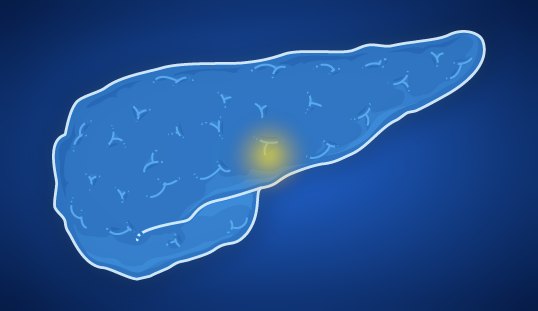

Pancreatic cancer surgery is among the most complex areas of abdominal oncology. The first decision is not which operation to perform, but whether the tumour is truly resectable, borderline resectable, locally advanced or metastatic. High-quality pancreatic-protocol imaging and multidisciplinary review are essential because inappropriate upfront surgery can delay effective systemic treatment, while selected borderline tumours may become more suitable for resection after neoadjuvant therapy.
Most pancreatic adenocarcinomas arise in the head of the pancreas and, when operable, are treated with pancreaticoduodenectomy or Whipple surgery. Tumours in the body or tail generally require distal pancreatectomy, usually with splenectomy. Selected tumours involving the portal or superior mesenteric vein can still be resected with vascular reconstruction at experienced centres. Major arterial involvement is substantially more complex and requires highly selective assessment.
International patients should obtain a pancreatic multidisciplinary opinion before travel. The review should include pancreatic-protocol CT images, CA 19-9 interpreted in clinical context, bilirubin/liver tests, performance and nutritional status, prior biopsy and chemotherapy records, and whether biliary obstruction requires drainage. The treatment plan should state the intended sequence, realistic resectability, likely operation and recovery requirements.
A pancreatic cancer diagnosis is frightening, and decisions often have to be made quickly. This guide is written to help you understand the questions that matter, ask for an honest resectability assessment and judge whether travelling for treatment makes sense for you. It does not promise outcomes; every cancer and every patient is different.
Short Answer: Is India a Good Option for Pancreatic Cancer Surgery?
For carefully selected patients, it can be. Major Indian centres have HPB teams performing Whipple surgery, distal pancreatectomy, vein reconstruction and robotic pancreatic surgery, with endoscopy, interventional radiology, ICU and systemic therapy in one hospital, usually at a much lower private price than the USA, UK and Australia. But the central question is clinical: is your tumour resectable, borderline, locally advanced or metastatic, and should treatment begin with chemotherapy rather than surgery? Some patients are found at surgery to have hidden spread, so this must be discussed beforehand. Pancreatic surgery carries real risks and a long recovery. Cholangitis, sepsis or severe dehydration needs local treatment first. Start with a remote review of your pancreatic-protocol CT and records.
Quick Facts - Pancreatic Cancer Surgery for International Patients in India
| Topic | International-Patient Planning Point |
|---|---|
| Most common cancer | Pancreatic ductal adenocarcinoma |
| Critical first step | Pancreatic-protocol CT and multidisciplinary assessment of resectability |
| Tumour categories | Resectable, borderline resectable, locally advanced and metastatic |
| Head tumour operation | Whipple / pancreaticoduodenectomy |
| Body/tail operation | Distal pancreatectomy, commonly with splenectomy |
| Vascular surgery | Selected portal/SMV involvement can be resected/reconstructed at expert centres |
| Systemic therapy | Important before surgery in selected patients and after recovery in most fit patients |
| Major complications | Pancreatic fistula, delayed gastric emptying, bleeding, infection, bile leak and nutritional problems |
| India stay | Often about 3-5 weeks after uncomplicated major surgery; longer with complications |
| India surgery cost | Broadly US$8,000-18,000 for many Whipple/distal resections; vascular/complex cases can exceed US$20,000 |
| Records to send | Pancreatic-protocol CT DICOM, biopsy, CA 19-9 and liver tests, ERCP records and complete treatment history |
| Major Indian hubs | Delhi NCR, Mumbai, Chennai, Bengaluru, Hyderabad and other tertiary HPB oncology centres |
| Companion | Essential throughout the stay and the journey home, given the size of the operation and the recovery |
Key principle: A technically possible operation is not automatically the correct operation. The objective is an oncologically meaningful resection within a treatment sequence that also addresses the high risk of microscopic systemic disease.
Why India, Diagnosis and Staging
Why Do International Patients Choose India for Pancreatic Cancer Surgery?
Patients travel for pancreatic surgery for practical reasons, and the strongest ones are about reaching an experienced high-volume team at a price that does not force a compromise on the plan:
- Lower cost. Private Indian hospitals often quote much less than self-pay prices in the USA, UK, Australia and other high-cost markets, although complications can narrow the gap if they are not budgeted for.
- Experienced HPB programmes. Major cancer centres have hepatopancreatobiliary teams performing Whipple surgery, distal pancreatectomy and vein reconstruction as part of a wider surgical oncology service.
- Comprehensive backup. GI radiology, EUS and ERCP, pathology, interventional radiology, ICU, vascular surgery, nutrition, medical oncology and radiation oncology are often in the same hospital.
- Rapid rescue capability. Quick access to interventional radiology matters for postoperative bleeding or collections.
- Multidisciplinary review. A tumour board can classify resectability and decide whether surgery or chemotherapy should come first.
- Timely access. Patients facing long waits or limited local options can often be assessed promptly once the images are reviewed, though a hurried decision on incomplete imaging helps no one.
- International patient support and English-speaking teams. Major hospitals typically help with appointments, hospital letters for visas, airport pick-up and accommodation guidance.
- A plan you can review first. A remote review can state whether the tumour looks resectable before you commit to travel, and may show that surgery is not appropriate.
Emergencies Are Different
Cholangitis with fever and jaundice, uncontrolled vomiting, severe dehydration, sepsis, acute bleeding or rapidly declining strength needs immediate local care. Do not delay emergency treatment to arrange international travel.
Patient Tip
Low cost should be the beginning of your evaluation, not the end of it. The sections that follow explain how to judge whether surgery is appropriate, how to assess the team and how to budget for complications so that savings do not come at the expense of safety.
How Does India Compare with Other Medical Travel Destinations?
Many patients also look at pancreatic programmes abroad before deciding. There is no single best country for every patient; the right choice depends on where you live, your cancer and what you can verify about the surgeon and hospital. These are the factors worth comparing:
| Factor | What to compare | How India generally fares |
|---|---|---|
| Cost | The full itemized package: surgery, vein reconstruction, ICU, blood, drainage exclusions and a contingency for complications | Often much lower than self-pay pricing in Western countries; quotations are hard to compare because surgical extent differs |
| Surgeon and team experience | Annual Whipple volume, mortality, clinically relevant fistula and reoperation rates | Major Indian centres have experienced HPB teams; always verify surgeon and centre volume |
| Imaging and endoscopy | Pancreatic-protocol CT reading, EUS and ERCP expertise | Available at large cancer centres; confirm the specific hospital |
| ICU and interventional radiology | Rapid access for bleeding and collections | Often available in one hospital; confirm for your case |
| Language | Whether doctors and nurses communicate easily with you | English is widely used by medical teams in major Indian hospitals |
| Distance and flight time | Length of the flight and the 3-6 weeks or more you may need to stay | Depends on where you live: relatively close for patients from South Asia, the Middle East and East Africa, and a long-haul journey from the Americas and parts of Europe |
| Visa | Visa type, processing time and attendant rules | India has a dedicated medical visa system with an attendant category; always confirm current rules for your nationality |
| Follow-up | Who will give chemotherapy and surveillance and manage enzymes and diabetes at home | Depends on the team; ask for a defined hand-over plan before you commit |
A Fair Way to Compare Destinations
- Ask every destination for the same itemized written plan (resectability category, operation, vein reconstruction, ICU assumptions and exclusions).
- Compare the clinical selection first and the price second.
- Compare the total trip cost - treatment, a contingency for complications, flights, accommodation for weeks, companion and local transport.
- Judge the pancreatic surgeon and hospital, not just the country or a robotic system.
- Compare the follow-up plan: who will give chemotherapy, enzymes and surveillance at home?
What Is Pancreatic Cancer?
The pancreas lies deep in the upper abdomen and has exocrine digestive and endocrine hormonal functions. Pancreatic ductal adenocarcinoma is the dominant malignant tumour, but neuroendocrine and cystic neoplasms have different biology and treatment. This guide focuses mainly on pancreatic adenocarcinoma.
Symptoms for International Patients in India for Pancreatic Cancer
Head-of-pancreas tumours can cause painless jaundice, dark urine, pale stools and itching. Other symptoms include weight loss, upper abdominal/back pain, appetite loss, new or worsening diabetes and pancreatitis. Symptoms often appear after disease is biologically established.
Pancreatic-Protocol CT
A multiphase contrast CT tailored to the pancreas is the principal imaging study for resectability. It evaluates tumour contact with the portal vein, SMV, SMA, celiac axis and hepatic artery and looks for liver/peritoneal metastases. The original DICOM images should be reviewed, not only the written report.
MRI and MRCP
MRI can further characterize liver lesions, pancreatic cystic lesions and biliary/pancreatic ducts when CT is equivocal or contrast cannot be used. MRCP noninvasively maps ducts. MRI complements rather than routinely replaces high-quality pancreatic CT.
Endoscopic Ultrasound and Biopsy
EUS can visualize pancreatic masses and obtain fine-needle/core tissue. Tissue confirmation is generally required before chemotherapy or radiation, while clearly resectable disease proceeding directly to surgery may be managed according to specialist judgment. Biopsy should not unnecessarily delay curative treatment.
CA 19-9
CA 19-9 is useful for baseline assessment, treatment response and surveillance but is not a stand-alone diagnostic test. Obstructive jaundice can falsely elevate it, and some patients cannot produce the marker. Interpretation after biliary drainage can be more informative.
Staging
Staging determines local vascular involvement, regional nodes and distant metastases. Small liver or peritoneal deposits can change a planned curative operation to systemic treatment. Staging quality directly affects treatment selection.
Diagnosis and Staging at a Glance
| Test | What it shows | Points to ask |
|---|---|---|
| Pancreatic-protocol CT | Tumour relationship to portal vein, SMV and arteries, and distant spread | Insist the actual images are reviewed, not only the report |
| MRI / MRCP | Liver lesions, bile and pancreatic ducts | Useful when CT is unclear |
| EUS with biopsy | Tissue diagnosis and local detail | Needed before chemotherapy or radiation |
| CA 19-9 | Marker useful for monitoring many pancreatic cancers | Affected by jaundice and absent in some patients |
| Staging laparoscopy | Looks for small hidden deposits | Ask whether it is planned in your case |
Making the Remote Review Count
- Send pancreatic-protocol CT as DICOM images, plus MRI or PET if done
- Send EUS and biopsy reports, CA 19-9, bilirubin and liver tests, blood counts and kidney function
- Include ERCP and stent records, your weight loss history and any chemotherapy or radiation details
- Include earlier imaging so that response or progression can be judged
- Ask a specialist to classify resectability before you book travel
Send your pancreatic-protocol CT as DICOM images, any MRI or PET, EUS and biopsy reports, CA 19-9, bilirubin and liver tests, blood counts and kidney tests, ERCP or stent records, your weight loss history and the exact details of any chemotherapy or radiation. You will receive a preliminary opinion covering whether the tumour is resectable, borderline resectable, locally advanced or metastatic, whether treatment should begin before surgery, the likely operation and any vein reconstruction, the chance that surgery could be abandoned, the stay in India, an itemized cost estimate and a follow-up plan, so you can decide with a clear picture in hand.
Resectability: The Central Question for International Patients in India for Pancreatic Cancer
Resectable Pancreatic Cancer
A resectable tumour has no distant metastases and no prohibitive major-vessel involvement according to accepted imaging criteria. Surgery may occur first in selected fit patients, although neoadjuvant strategies are increasingly considered in biologically high-risk cases. Resectability definitions vary somewhat among expert groups.
Borderline-Resectable Cancer
Borderline disease has limited vascular involvement that raises the risk of a positive-margin operation but may still become resectable after systemic therapy. Neoadjuvant chemotherapy, with selective radiation, is commonly used. Restaging should assess both anatomy and tumour biology.
Locally Advanced Cancer
Locally advanced pancreatic cancer involves major vessels to an extent that generally prevents standard curative resection. Systemic therapy is primary, with radiation or highly selected conversion surgery considered after favourable response. A centre should not promise resection solely from a written scan report.
Metastatic Pancreatic Cancer for International Patients in India
Cancer spread to liver, peritoneum, lung or other distant sites is generally treated with systemic therapy rather than pancreatic resection. Surgery can be used for complications in selected circumstances. Rare oligometastatic operations remain investigational/highly selective.
Biological Resectability
Very high CA 19-9, suspicious nodes, major weight loss or rapidly progressive features can indicate aggressive systemic biology despite technically resectable anatomy. Such patients may benefit from systemic therapy before committing to surgery. Anatomic resectability is only one dimension of selection.
Staging Laparoscopy
Small peritoneal or liver metastases can escape CT detection. Diagnostic laparoscopy is considered in selected high-risk patients before laparotomy or major resection. Positive cytology or occult metastasis can change treatment intent.
Resectability Categories at a Glance
| Category | What it means | Usual direction |
|---|---|---|
| Resectable | No distant spread and no prohibitive major-vessel involvement | Surgery may come first in selected fit patients; neoadjuvant therapy is increasingly considered in high-risk biology |
| Borderline resectable | Limited vascular involvement or other high-risk features | Treatment before surgery is often preferred, then restaging |
| Locally advanced | Major vessel involvement that makes resection unrealistic at presentation | Systemic therapy, sometimes radiation; a minority may later become operable |
| Metastatic | Distant spread | Systemic therapy is central; surgery with curative intent is generally not appropriate |
Preparing for Treatment: Drainage, Nutrition and Neoadjuvant Therapy
Biliary Obstruction
Head tumours can obstruct the common bile duct. Not every jaundiced patient requires a stent before prompt surgery, but drainage is often needed for cholangitis, severe symptoms, very high bilirubin, delayed surgery or planned neoadjuvant treatment. Drainage strategy should be coordinated with the pancreatic team.
ERCP and Biliary Stenting
ERCP can place a plastic or metal stent across a malignant biliary obstruction. Self-expanding metal stents are often preferred when longer drainage is expected during neoadjuvant therapy. Stent infection or blockage requires urgent management.
Nutrition Before Surgery
Pancreatic cancer frequently causes weight loss, poor intake and pancreatic exocrine insufficiency. Dietitian assessment, pancreatic enzymes and protein/calorie optimization can improve readiness for major surgery. Severe malnutrition increases postoperative risk.
Pancreatic Enzyme Replacement
Pancreatic enzyme replacement therapy helps digestion when pancreatic secretion is insufficient, reducing steatorrhea, bloating and weight loss. Dosing is adjusted to meal fat content and symptoms. Enzymes may be needed before and/or after surgery.
Neoadjuvant Chemotherapy
Modern multi-agent chemotherapy is commonly used for borderline-resectable disease and selected high-risk resectable tumours. It treats occult systemic disease early and helps identify patients whose cancer progresses despite therapy. Regimen choice depends on fitness and oncology assessment.
Radiotherapy in Pancreatic Cancer for International Patients in India
Radiation can be incorporated selectively for local control in borderline or locally advanced disease, often after systemic chemotherapy. Techniques include IMRT and stereotactic body radiotherapy in suitable cases. Radiation does not substitute for effective systemic therapy.
Pancreatic Operations
Whipple Surgery
Pancreaticoduodenectomy removes the pancreatic head, duodenum, distal bile duct, gallbladder and usually regional nodes, followed by reconstruction of pancreatic, biliary and gastric/intestinal continuity. It is a complex operation best performed by high-volume pancreatic teams.
Pylorus-Preserving Pancreaticoduodenectomy
In selected patients, the stomach and pylorus are preserved while the pancreatic head and duodenum are removed. Long-term cancer outcomes are broadly comparable when oncologic margins are adequate. The choice depends on tumour anatomy and surgeon strategy.
Classic Whipple
A classic Whipple includes removal of part of the distal stomach in addition to the pancreatic head/duodenum and bile duct. It may be selected when tumour location or operative findings make this appropriate. Neither classic nor pylorus-preserving surgery is universally superior.
Pancreatic Anastomosis
The remaining pancreas is connected to intestine or stomach to drain pancreatic juice. This anastomosis is a key site of postoperative pancreatic fistula risk. Soft pancreatic texture and small duct can increase fistula risk.
Biliary and Gastric Reconstruction
The bile duct is connected to intestine and gastrointestinal continuity is restored. Reconstruction configuration varies among surgeons. Leak, delayed gastric emptying and cholangitis are recognized postoperative problems.
Distal Pancreatectomy
Tumours in the body/tail are treated by removing the distal pancreas, commonly together with the spleen for adenocarcinoma because of lymphatic anatomy. Selected benign/low-grade tumours may allow spleen preservation, but this is not routine for pancreatic adenocarcinoma.
Splenectomy and Vaccination for International Patients in India for Pancreatic Cancer
Patients undergoing distal pancreatectomy with splenectomy require appropriate vaccination and education about serious infection risk. Timing depends on treatment urgency. Long-term fever after splenectomy warrants prompt medical assessment.
Total Pancreatectomy
Total pancreatectomy removes the entire pancreas and is reserved for selected extensive/multifocal disease or situations where partial resection is not appropriate. It causes permanent insulin-dependent diabetes and complete exocrine insufficiency. Patients need lifelong insulin and pancreatic enzymes.
Pancreatic Operations at a Glance
| Operation | What it involves | Points to ask |
|---|---|---|
| Whipple | ||
| (pancreaticoduodenectomy) | Removes the pancreatic head, duodenum, distal bile duct and gallbladder with reconstruction | Ask about annual volume, fistula and complication rates |
| Pylorus-preserving Whipple | Keeps the stomach outlet where oncologically suitable | Ask whether it suits your tumour |
| Distal pancreatectomy | Removes the body and tail, commonly with the spleen | Ask about vaccination and spleen preservation |
| Total pancreatectomy | Removes the whole pancreas | Means lifelong insulin and enzyme replacement; ask why it is needed |
Vein, Artery and Multivisceral Resection
Portal Vein / SMV Resection
Limited tumour involvement of the portal vein or SMV can be resected and reconstructed during pancreaticoduodenectomy at experienced centres. Venous involvement no longer automatically means unresectability. The operation is more complex and may increase morbidity.
Arterial Involvement
SMA or celiac/hepatic arterial encasement generally indicates more advanced disease. Arterial resection/reconstruction is performed only in highly selected patients at specialized centres after favourable systemic treatment. It should not be marketed as routine extended Whipple surgery.
Extended Multivisceral Resection
Selected locally advanced tumours can require removal of adjacent colon, stomach, adrenal or other structures to achieve complete resection. Benefit must justify substantially greater operative burden. These cases need multidisciplinary surgical expertise.
Minimally Invasive Surgery and Operative Principles
Laparoscopic Pancreatic Surgery
Minimally invasive distal pancreatectomy is well established in suitable cases. Laparoscopic Whipple is technically demanding and should be performed only by surgeons with substantial specific experience. Small incisions do not compensate for inadequate oncologic surgery.
Robotic Whipple Surgery
Robotic platforms can facilitate fine dissection and reconstruction in expert hands. Evidence supports feasibility at experienced centres, but the learning curve is substantial and open Whipple remains an excellent standard. Surgeon/program experience matters more than the robot brand.
Open vs Robotic Whipple
The safest approach is the one the specialist team can perform reliably with appropriate margins and low complication rates. Conversion from robotic to open surgery is a safety decision, not a failure. Patients should ask for procedure-specific volume and outcomes.
Lymph-Node Dissection for International Patients in India for Pancreatic Cancer
Standard regional lymphadenectomy accompanies pancreatic cancer resection. Excessively extended lymph-node dissection has not shown routine benefit and can increase morbidity. Quality is judged by oncologic specimen and pathology, not maximal node removal.
Surgical Margins
An R0 resection means no cancer at defined microscopic margins. Pancreatic cancer can infiltrate along nerves and vessels, making margin clearance challenging. Neoadjuvant therapy may improve selection and margin probability in borderline disease.
Frozen Section
Intraoperative frozen-section analysis may assess bile-duct or pancreatic-neck margins when useful. A positive margin can lead to further resection if technically and oncologically sensible. Frozen section cannot evaluate every circumferential margin.
Complications After Surgery
Pancreatic Fistula
Leakage of pancreatic juice from the pancreatic anastomosis or cut surface is one of the most important complications. Severity ranges from biochemical leakage to infected collections, bleeding and organ failure. Management can include drains, antibiotics, nutrition, interventional radiology or reoperation.
Delayed Gastric Emptying
Some patients have prolonged nausea, vomiting or inability to tolerate food after Whipple surgery. Nasogastric drainage, nutritional support and time are often required. It can prolong hospital stay without implying cancer recurrence.
Post-Pancreatectomy Hemorrhage
Bleeding can occur early or days later, sometimes from vessels exposed to pancreatic leakage. Delayed sentinel bleeding requires urgent evaluation. Angiographic embolization or surgery may be lifesaving.
Bile Leak and Intra-Abdominal Abscess
Biliary anastomotic leakage and infected fluid collections can occur after pancreatic surgery. Many collections can be drained radiologically, while unstable patients may require surgery. Persistent fever after discharge warrants prompt imaging.
Chyle Leak
Lymphatic leakage can produce milky abdominal drainage after extensive lymphatic dissection. Dietary modification and drainage usually control it, but recovery can be prolonged. Nutritional monitoring is important.
Possible Problems and What to Ask for International Patients in India for Pancreatic Cancer
| Problem | What may happen | What to ask or do |
|---|---|---|
| Pancreatic fistula | Leak of pancreatic juice; may need drainage or antibiotics | Ask about the clinically relevant fistula rate and how it is managed |
| Delayed gastric emptying | Slow stomach emptying with nausea and vomiting | Ask about feeding support and expected duration |
| Bleeding | Early or delayed haemorrhage, sometimes needing embolization or reoperation | Ask about interventional radiology access and how patients are monitored after discharge |
| Abscess or bile leak | Infected collection or leaking bile | Report fever or pain early; ask about drainage options |
| Blood clots | DVT or PE after major surgery and long flights | Ask for individualized prevention and fit-to-fly advice |
| Malnutrition and weakness | Slow recovery and more complications | Start dietitian input and prehabilitation early |
Recovery, Adjuvant Therapy and Long-Term Outlook for International Patients in India for Pancreatic Cancer
Diabetes After Pancreatic Surgery
Removing pancreatic tissue can worsen or cause diabetes. Total pancreatectomy creates complete insulin deficiency, while partial resection has variable effects. Glucose should be monitored before and after surgery.
Exocrine Pancreatic Insufficiency
Reduced digestive enzymes can cause greasy stools, diarrhea, bloating and weight loss. Pancreatic enzymes with meals and snacks are often required after Whipple or distal/total pancreatectomy. Adequate dosing is essential for nutritional recovery.
Adjuvant Chemotherapy
Fit patients generally receive postoperative systemic chemotherapy after recovery because pancreatic cancer has a high risk of microscopic recurrence. Regimen choice depends on performance status and prior neoadjuvant treatment. Surgical recovery should be optimized so systemic therapy is not unnecessarily delayed.
Pathological Response After Neoadjuvant Therapy
The resection specimen shows residual tumour, nodes, margins and treatment response. These findings help estimate prognosis and guide postoperative therapy. Radiological shrinkage alone does not define pathological response.
Recurrence
Pancreatic cancer can recur in the liver, peritoneum, lung or surgical bed despite complete resection. Surveillance and systemic treatment are therefore integral to care. Surgery is only one component of a broader cancer strategy.
Recurrent Pancreatic Cancer
Most recurrence is treated systemically. Highly selected isolated local or lung recurrence may be considered for radiation, ablation or surgery after multidisciplinary review. Biology and disease-free interval matter greatly.
Pain Management
Pancreatic cancer can cause severe upper abdominal/back pain. Analgesics, celiac plexus block/neurolysis, chemotherapy and radiation can reduce symptoms. Palliative care should be integrated early when symptoms are significant.
Nutrition After Whipple
Small frequent meals, protein intake, pancreatic enzymes and monitoring of weight, vitamins and glucose support recovery. Appetite can take weeks to normalize. Persistent weight loss should trigger dietitian and enzyme review.
Enhanced Recovery for International Patients in India for Pancreatic Cancer
Early mobilization, multimodal pain control, careful fluid management, appropriate feeding and removal of unnecessary tubes support recovery. Pancreatic surgery still requires vigilance for delayed complications. Discharge should depend on clinical stability, not a target day alone.
Survival and Prognosis
Prognosis depends on stage, tumour biology, nodal status, margins, CA 19-9, treatment response and ability to receive effective systemic therapy. Published survival statistics describe groups and cannot predict an individual outcome. A realistic prognosis should be discussed with the treating oncology team.
Preparing Yourself Before Pancreatic Surgery (Prehab)
This is a major operation, so preparation matters. Always agree what is appropriate with your surgical team, and never let preparation delay urgent cancer treatment:
- Early dietitian review with a high-protein, high-calorie plan, and supplements or feeding support if you are losing weight
- Learning how pancreatic enzyme capsules work, if they may be needed, and asking about glucose monitoring if you have diabetes
- Gentle, regular activity such as daily walking, as advised by your team
- Breathing exercises to prepare for upper-abdominal surgery
- Stopping smoking and limiting alcohol
- Discussing biliary drainage with your team if you are jaundiced
- A medicine review, including blood thinners, diabetes medicines, supplements and herbal products
- Vaccination advice if the spleen may be removed
- Practical and emotional support arranged for you and your companion
Preparation should never delay urgent cancer treatment. Your team will tell you if time is critical.
Around Pancreatic Cancer Surgery: What to Expect
| Stage | What usually happens |
|---|---|
| Before treatment | Pancreatic-protocol CT and records review, resectability classification, biopsy where needed, biliary drainage if indicated, nutrition optimization, any neoadjuvant therapy and restaging, and consent covering the operation, vein reconstruction and the possibility that surgery is abandoned |
| Day of surgery | Often a long operation, sometimes beginning with laparoscopy to check for hidden spread, followed by resection and reconstruction, then ICU or high-dependency care |
| Hospital stay | Early walking, breathing exercises, pain control, graded feeding and close monitoring for fistula, bleeding and delayed gastric emptying |
| Early recovery in India | Wound and drain checks, final pathology review, enzyme and glucose plans, the adjuvant-treatment decision and fit-to-fly assessment |
| After you return home | Gradual return of stamina over months, adjuvant chemotherapy where recommended, enzyme and diabetes management and a written surveillance schedule |
Choosing Your Surgeon, Centre and City
Choosing a Pancreatic Surgeon in India
Look for an HPB/pancreatic surgeon who performs pancreaticoduodenectomy regularly and manages vascular resection and complications with a dedicated team. Ask about annual Whipple volume, mortality, clinically relevant fistula, reoperation and readmission rates. Individual surgeon and hospital systems both matter.
Choosing a Pancreatic Cancer Centre
A comprehensive centre needs pancreatic surgery, medical oncology, GI radiology, EUS/ERCP, pathology, interventional radiology, ICU, vascular surgery support, nutrition and radiation oncology. Rapid access to interventional radiology is particularly important for postoperative bleeding or collections.
Major Pancreatic Cancer Treatment Hubs in India
Delhi NCR, Mumbai, Chennai, Bengaluru, Hyderabad and other tertiary centres have advanced HPB oncology programmes. The best destination depends on tumour anatomy, vascular involvement and team experience. Remote DICOM review should precede travel whenever possible.
Warning Signs of an Unreliable Offer for International Patients in India for Pancreatic Cancer
Medical travel works best when the information you receive is specific, itemized and clinically sensible. Be cautious if you see any of the following:
Red Flags
- A confident surgery recommendation or fixed date without review of your actual pancreatic-protocol CT images
- No resectability category given, or a promise that every pancreatic tumour can be removed
- Upfront surgery for borderline or locally advanced disease with no discussion of neoadjuvant therapy
- Promises of a 'cure' or 'guaranteed' results, or ignoring the chance that surgery is abandoned
- Robotic surgery presented as the main reason to choose a hospital
- No annual Whipple volume, fistula, mortality or reoperation figures offered
- No ICU, interventional radiology, vascular surgery or blood bank backup
- Pressure to decide or pay quickly, or a base price with unclear exclusions for complications and reoperation
- No plan for chemotherapy, enzymes, diabetes care and surveillance after you return home
What a Good International Patient Service Should Provide
A well-run programme should make the journey easier at every stage:
- A named coordinator and a direct line to the clinical team before you travel
- Review of your actual pancreatic-protocol CT and records by the operating surgeon, and a written preliminary opinion covering the resectability category, likely operation and vein reconstruction
- Honest discussion of alternatives, including chemotherapy first, treatment closer to home, and whether travel is necessary at all
- An itemized written estimate that states what is included, how vascular reconstruction, ICU, blood, drainage, embolization and reoperation are charged, and a suggested contingency
- A hospital letter for your medical visa application, and guidance for attendant visas
- Airport pick-up, assistance on arrival and accommodation near the hospital for weeks
- Interpreter support where needed
- Final pathology with margins and nodes, operative report, discharge summary, enzyme and diabetes plan, adjuvant recommendation and surveillance schedule
- A defined follow-up pathway after you return home, including teleconsultations with the operating team
Cost, Packages and Quotations for International Patients in India for Pancreatic Cancer
Indicative Pancreatic Cancer Surgery and Treatment Costs in India
| Treatment / Procedure | Broad International-Patient Planning Range |
|---|---|
| Whipple / pancreaticoduodenectomy | Approx. US$8,000-15,000 |
| Robotic Whipple | Approx. US$10,000-18,000+ |
| Distal pancreatectomy +/- splenectomy | Approx. US$6,000-11,000 |
| Total pancreatectomy | Approx. US$10,000-18,000+ |
| Whipple with portal/SMV reconstruction | Approx. US$12,000-22,000+ |
| Complex multivisceral / vascular resection | Approx. US$15,000-30,000+ |
| ERCP + biliary stent | Approx. US$1,000-3,000+ |
| Systemic chemotherapy | Approx. US$800-4,000+ per cycle; regimen/drug dependent |
| SBRT / modern radiotherapy | Approx. US$4,000-8,000+ |
These are broad private international-patient planning estimates, not guaranteed tariffs. Vascular reconstruction, ICU stay, pancreatic fistula, bleeding, interventional radiology, reoperation, prolonged nutrition support and imported oncology drugs can substantially change final cost.
What a Pancreatic Surgery Package Should Include
Ask whether the quotation includes pancreatic surgeon/team, anaesthesia, operating theatre, vascular reconstruction if anticipated, staplers/energy devices, ICU and ward nights, pathology, routine imaging and postoperative reviews. Clarify charges for blood products, ERCP, interventional drainage/embolization, reoperation, prolonged ICU and nutritional support.
Factors That Increase Total Cost
Borderline-resectable disease requiring neoadjuvant treatment, portal/SMV reconstruction, multivisceral resection, prolonged ICU care, pancreatic fistula, hemorrhage, abscess, delayed gastric emptying and readmission can materially increase the overall treatment cost.
Pancreatic Cancer Surgery Cost - India vs USA, UK and Australia
| Representative Treatment | India | USA | UK Private | Australia Private | Approx. India Saving* |
|---|---|---|---|---|---|
| Whipple /pancreaticoduodenectomy | $8k-15k | $60k-180k+ | $30k-70k+ | $35k-80k+ | Approx. 50-96% |
| Robotic / complex Whipple | $10k-22k+ | $80k-220k+ | $40k-90k+ | $45k-100k+ | Approx. 45-95% |
| Distal pancreatectomy | $6k-11k | $40k-120k+ | $25k-55k+ | $30k-65k+ | Approx. 55-95% |
| Modern radiotherapy /SBRT | $4k-8k | $25k-60k+ | $12k-30k+ | $15k-35k+ | Approx. 33-93% |
*Broad private/self-pay planning comparisons only. Publicly funded pathways are not directly comparable. Chemotherapy and patented drug savings vary substantially, so treatment should be compared regimen by regimen.
Budgeting for the Whole Pathway, Not Just the Operation
The operation is only one part of the budget. Ask for the treatment quotation, then add:
- A contingency for complications such as pancreatic fistula, bleeding, abscess or reoperation, which can materially raise the final bill
- Biliary drainage, neoadjuvant chemotherapy or radiation, and adjuvant chemotherapy, which are usually separate from the surgical package
- Return flights for you and your companion, with flexibility to change dates if recovery is slow
- Accommodation near the hospital for the whole stay, commonly about 3-6 weeks and longer after complications
- Meals, local transport and airport transfers
- Visa fees, travel insurance and any attendant visa costs
- Pancreatic enzymes, nutrition supplements and glucose supplies if needed
- Follow-up scans and tests at home
Pancreatic Cancer Treatment Quotation Comparison Table
| Item | Centre A | Centre B |
|---|---|---|
| Resectability category | ||
| Pancreatic-protocol CT review | ||
| Neoadjuvant treatment | ||
| Planned operation | ||
| Vascular reconstruction | ||
| Open / robotic approach | ||
| Surgeon Whipple volume | ||
| ICU / ward assumptions | ||
| Pathology | ||
| ERCP / stent | ||
| Interventional radiology exclusions | ||
| Adjuvant treatment | ||
| Expected India stay | ||
| Total pathway estimate |
Your Journey: Records, Travel, Visa and Going Home for International Patients in India for Pancreatic Cancer
Remote Case Review Before Travel
Send pancreatic-protocol CT DICOM images, MRI/PET if done, EUS/biopsy, CA 19-9, bilirubin/liver tests, CBC/renal profile, ERCP/stent records, weight loss and exact chemotherapy/radiation history. Prior imaging should be included to show response or progression. A specialist should classify resectability before the patient books travel.
Records Checklist
- Pancreatic-protocol CT as DICOM images, not only reports
- MRI or PET if done, and earlier imaging for comparison
- EUS and biopsy reports
- CA 19-9, bilirubin and liver tests, blood counts and kidney tests
- ERCP and stent records
- Weight loss and nutrition history
- Exact chemotherapy and radiation history
- Medicine list, allergies, diabetes status and passport copy
Questions the Pre-Travel Opinion Should Answer
Is the tumour resectable, borderline, locally advanced or metastatic? Does it involve the portal vein/SMV or major arteries? Is biopsy required? Is biliary drainage needed? Should chemotherapy occur before surgery? What operation and vascular reconstruction are anticipated? The opinion should also state the possibility that surgery could be abandoned if occult metastases are found.
International Patient Treatment Journey
1) Remote DICOM/pathology review. 2) multidisciplinary resectability classification. 3) biliary/nutritional optimization if needed. 4) neoadjuvant treatment when indicated. 5) restaging. 6) travel and surgical fitness. 7) Whipple/distal/other resection. 8) pathology and recovery. 9) adjuvant therapy plan. 10) surveillance at home. A planned sequence reduces avoidable travel and treatment delays.
How Long to Stay in India
After uncomplicated Whipple surgery, international patients should often plan roughly 3-5 weeks in India including preoperative evaluation and early recovery. Distal pancreatectomy may permit a shorter stay, while fistula or other complications can extend it considerably. Flexible accommodation and return flights are advisable.
Flying After Pancreatic Surgery
Long-haul travel should wait until oral intake, hydration, bowel function, wounds, mobility and glucose are stable and no uncontrolled collection/infection is present. Cancer surgery increases thromboembolism risk. The surgeon should provide individualized fit-to-fly and DVT-prevention advice.
Pancreatic Enzymes During Travel for International Patients in India
Patients needing enzyme replacement should carry an adequate supply in hand luggage and understand meal-based dosing. Uncontrolled steatorrhea and weight loss suggest under-treatment or another complication. A written prescription and generic drug name help continuity abroad.
Airline and Travel Practicalities After Pancreatic Surgery
Airline rules differ, so confirm each point with your airline before you fly:
| Topic | What to arrange |
|---|---|
| Fit-to-fly letter | Ask your surgeon for written clearance stating the diagnosis, operation and date, and carry it in hand luggage; some airlines require a medical form after major abdominal surgery |
| Blood clots | Cancer and major surgery raise clot risk; ask whether stockings or blood-thinning injections are needed, and walk and hydrate regularly in flight |
| Pancreatic enzymes | Carry the full supply in hand luggage in the original packaging with a prescription, and take capsules with meals and snacks during the flight |
| Diabetes and glucose | If you use insulin or monitor glucose, carry supplies, a letter for needles and a plan for meals and delays |
| Drains and wounds | Confirm that drains have been removed or are safe for travel; carry dressings and wound-care instructions |
| Eating and drinking | Carry suitable food, oral supplements and fluids as advised by your dietitian, and stay well hydrated |
| Medicines and injections | Keep all medicines, injections and painkillers in hand luggage with a prescription list using generic names |
| Seat choice and assistance | An aisle seat helps movement and toilet access; request wheelchair or airport assistance if you tire easily |
| Records | Carry final pathology, operative report, discharge summary and contact details of the operating team in case of a problem on the journey |
| Flexible tickets and insurance | Book a flexible return so that a delay in healing does not mean losing money, and check what travel insurance covers for surgery-related complications |
Accommodation and Companion
A companion is essential after pancreatic surgery, for help with mobility, nutrition, enzymes, glucose checks, wound care, medicines and decisions over weeks. Accommodation should be close to the hospital for the whole stay so that fever, pain, bleeding or other problems can be reviewed promptly.
Medical Visa and Travel Planning
Confirm current Indian medical-visa requirements through official channels, including the attendant visa for your companion. Carry the hospital invitation, a medical summary, your imaging and pathology and your medicines, and keep the visa duration and return travel flexible in case recovery takes longer than planned.
Continuing Chemotherapy at Home
Carry final pathology, operative report, CA 19-9 trend, exact neoadjuvant regimen and postoperative recommendation. Confirm local availability and timing before departure. Recovery and nutritional status affect when chemotherapy can safely restart.
Post-Return Follow-Up
Follow-up generally includes oncology review, CT imaging and CA 19-9 when informative. Diabetes, pancreatic enzyme requirements, weight and nutritional deficiencies also need monitoring. Remote surgical review can supplement local oncology care.
Arranging Your Follow-Up Care at Home Before You Leave
Recovery and surveillance continue for months and years, so set up your home team before you travel and confirm it again before you fly home:
| Who | Role |
|---|---|
| Local medical oncologist | Gives adjuvant or ongoing chemotherapy and monitors blood tests and side effects |
| Local surgeon or emergency department | Knows your history and can assess a leak, abscess, bleeding or obstruction quickly, using your operative report |
| Imaging and laboratory service | Carries out CT and CA 19-9 on the agreed schedule, comparing with earlier images |
| Dietitian | Guides enzyme dosing, weight, vitamins and nutritional deficiencies |
| Endocrinologist or diabetes team | Manages glucose after pancreatic surgery |
| Gastroenterologist | Reviews stents, enzymes and digestive symptoms where needed |
| Palliative and supportive care team | Helps with pain, nausea, nutrition and wellbeing alongside treatment |
| General practitioner | Coordinates care, vaccinations (for example after splenectomy), medicines and referrals |
| Overseas operating team | Teleconsultations, review of scans and records, and advice on the plan |
Hand-over Checklist
- Written fit-to-fly clearance
- Final pathology with margin and node status
- Operative report and discharge summary
- CA 19-9 trend
- Adjuvant chemotherapy recommendation
- Enzyme prescription with generic names
- Diabetes plan and glucose supplies
- Nutrition and activity instructions
- Surveillance schedule and next appointments
- Home oncologist details and emergency plan
Warning Signs
Urgent assessment is required for fever, worsening abdominal pain, persistent vomiting, jaundice, wound/drain bleeding, black stools, fainting, breathlessness, reduced urine, severe dehydration or rapidly worsening weakness. Delayed hemorrhage, abscess, fistula-related sepsis and biliary problems can occur after discharge.
Do Not Wait for an Overseas Reply
Fever, worsening abdominal pain, persistent vomiting, jaundice, bleeding from the wound or drain, black stools, fainting, breathlessness or very little urine needs emergency care where you are. Tell the emergency team you have had pancreatic surgery, show your operative report, and contact your operating team afterwards.
Tools: Questions, Candidacy, FAQ and Checklist for International Patients in India for Pancreatic Cancer
Twenty Questions to Ask the Pancreatic Cancer Team
- 1What exact pancreatic tumour do I have?
- 2Is it resectable, borderline resectable, locally advanced or metastatic?
- 3Has my pancreatic-protocol CT been reviewed directly?
- 4Is there portal vein/SMV involvement?
- 5Is there SMA, celiac or hepatic artery involvement?
- 6Do I need an EUS-guided biopsy?
- 7Do I need biliary drainage before treatment?
- 8Should I receive chemotherapy before surgery?
- 9Should radiation be included before surgery?
- 10What exact operation do you recommend?
- 11Do you anticipate portal/SMV resection and reconstruction?
- 12What is your annual Whipple surgery volume?
- 13What are your postoperative mortality and clinically relevant fistula rates?
- 14How often do you use interventional radiology for complications?
- 15Would you recommend open, laparoscopic or robotic surgery in my case and why?
- 16What is the chance surgery will be abandoned because of occult spread?
- 17Will I need pancreatic enzymes or insulin afterward?
- 18What exactly is included in the quotation?
- 19How long should I remain in India?
- 20What adjuvant chemotherapy and surveillance will I need at home?
Who Is a Good Candidate for Pancreatic Cancer Medical Travel?
A suitable patient is clinically stable and has high-quality imaging showing potentially resectable or strategically treatable disease. Travel is particularly valuable when a second opinion is needed on borderline resectability, venous reconstruction, complex HPB surgery or sequencing of neoadjuvant treatment.
When Travel Should Not Delay Urgent Care for International Patients in India for Pancreatic Cancer
Cholangitis with fever/jaundice, uncontrolled vomiting, severe dehydration, sepsis, acute bleeding or rapidly declining performance requires prompt local stabilization. Patients with clearly metastatic disease should not undertake urgent overseas travel solely for an unrealistic promise of curative Whipple surgery.
Frequently Asked Questions for International Patients in India about Pancreatic Cancer
1. What is Whipple surgery?
Removal of the pancreatic head, duodenum, distal bile duct and gallbladder with reconstruction of digestive continuity.
2. Can every pancreatic cancer be operated on?
No. Surgery is mainly for localized disease that can be completely resected.
3. What does borderline resectable mean?
The tumour has limited vascular involvement or other high-risk features that often favour treatment before surgery.
4. Why is pancreatic-protocol CT important?
It shows the relationship of the tumour to critical vessels and searches for metastases.
5. Do I need a biopsy before Whipple surgery?
Not always for clearly resectable disease, but tissue confirmation is generally required before chemotherapy/radiation.
6. Does jaundice always need a stent before surgery?
No. Drainage is selective, especially for cholangitis, severe jaundice, delay or neoadjuvant therapy.
7. Can a tumour touching the portal vein still be removed?
Yes, selected portal/SMV involvement can be resected and reconstructed at experienced centres.
8. Can pancreatic cancer surgery be robotic?
Yes in selected patients at experienced programmes; open surgery remains an excellent standard.
9. What is a pancreatic fistula?
Leakage of pancreatic juice from the pancreatic connection or cut surface after surgery.
10. Will I become diabetic after surgery?
Possibly; risk depends on how much pancreas is removed and baseline pancreatic function.
11. Will I need pancreatic enzymes?
Many patients do, particularly after Whipple or extensive pancreatic resection.
12. Is chemotherapy needed after surgery?
Most fit patients with pancreatic adenocarcinoma receive systemic chemotherapy after recovery, adjusted for prior treatment.
13. What does Whipple surgery cost in India?
Broadly about US$8,000-15,000 for many cases; complex vascular/robotic cases can cost more.
14. How much can India save?
Broad private comparisons may show roughly 45-95% savings depending on complexity and country.
15. How long should I stay in India?
Often about 3-5 weeks after uncomplicated major surgery; complications can require longer.
16. Can I continue chemotherapy at home?
Usually yes if the regimen, timing and local oncology arrangements are clearly documented.
17. What is CA 19-9?
A tumour marker useful for monitoring many pancreatic cancers but affected by jaundice and absent in some patients.
18. Can locally advanced pancreatic cancer become operable?
A minority of carefully selected patients can become candidates after effective systemic therapy and expert reassessment.
19. What records should I send before travel?
Pancreatic CT DICOM, biopsy, CA 19-9/labs, ERCP records and complete treatment history.
20. What matters most when choosing a hospital?
A high-experience pancreatic team with strong ICU, endoscopy and interventional-radiology backup.
21. Can I travel on my own for pancreatic cancer surgery?
No. A companion is essential. The operation is large, recovery takes weeks, and help is needed with mobility, nutrition, enzymes, glucose checks, wound care, medicines and decisions.
22. What happens if the surgeon finds the cancer has spread during the operation?
The operation may be stopped or limited. Discuss this possibility, and what it would mean for your cost, stay and next treatment steps, before you travel.
23. Is a lower price a reason to choose a centre?
No. Compare the clinical selection, the surgeon's annual volume and complication rates, the ICU and interventional-radiology backup and the contingency for complications first. A low base price that excludes complications can end up costing more.
24. Can my home oncologist follow me after surgery?
Often yes, but only if they have agreed in advance and received the final pathology, operative report, CA 19-9 trend and chemotherapy recommendation. Confirm this before you leave India.
Pancreatic Cancer Checklist for International Patients in India
Diagnosis / staging
- Pancreatic-protocol CT DICOM
- MRI if relevant
- Biopsy/EUS
- CA 19-9
- Bilirubin/liver tests
- Metastatic assessment
- Resectability category
Treatment decision
- Surgery-first vs neoadjuvant
- Biliary drainage
- Whipple/distal/total operation
- Venous reconstruction
- Radiotherapy if indicated
- Staging laparoscopy
- Nutrition and enzyme plan
Centre
- HPB/pancreatic surgeon
- Medical oncology
- GI radiology
- EUS/ERCP
- Interventional radiology
- ICU
- Vascular backup
- Nutrition
Cost
- Surgery
- Robotic consumables if used
- Vascular graft/reconstruction
- ICU/ward
- Blood products
- Pathology
- ERCP
- Drainage/embolization exclusions
- Chemotherapy
Travel
- Medical visa
- Attendant
- Flexible return
- 3-5+ week accommodation
- DVT precautions
- Nutrition
- Enzymes
- Glucose supplies if needed
Before return
- Final pathology
- Operative report
- Margin/node status
- CA 19-9
- Enzyme prescription
- Diabetes plan
- Adjuvant recommendation
- Fit-to-fly
- Surveillance schedule
- Home oncologist
Final Perspective
Pancreatic cancer surgery should be considered within a multidisciplinary strategy, not as an isolated technical procedure. Accurate staging, recognition of borderline or locally advanced vascular involvement, early systemic therapy when appropriate and surgery at an experienced pancreatic centre are central to achieving meaningful oncologic benefit.
India offers advanced HPB surgery, venous reconstruction, robotic and open pancreatic surgery, interventional radiology, endoscopy and modern systemic therapy at major tertiary centres, often at substantially lower private self-pay cost than Western countries. International patients should seek a realistic resectability assessment and complete treatment sequence before travelling rather than relying on a promise that every pancreatic tumour can be removed.
Send your pancreatic-protocol CT as DICOM images, any MRI or PET, EUS and biopsy reports, CA 19-9, bilirubin and liver tests, blood counts and kidney tests, ERCP or stent records, your weight loss history and the exact details of any chemotherapy or radiation. You will receive a preliminary opinion covering whether the tumour is resectable, borderline resectable, locally advanced or metastatic, whether treatment should begin before surgery, the likely operation and any vein reconstruction, the chance that surgery could be abandoned, the stay in India, an itemized cost estimate and a follow-up plan, so you can decide with a clear picture in hand.
Sources
- 1. Mayo Clinic - Whipple procedure: https://www.mayoclinic.org/tests-procedures/whipple-procedure/about/pac-20385054
- 2. American Cancer Society - Treating Pancreatic Cancer, Based on Extent of the Cancer: https://www.cancer.org/cancer/types/pancreatic-cancer/treating/by-stage.html
- 3. Government of India - Indian Visa Online (e-Medical Visa and e-Medical Attendant Visa): https://indianvisaonline.gov.in/evisa/
Important Medical Note. This guide provides general educational information and does not replace individualized assessment by a qualified pancreatic cancer multidisciplinary team. Resectability, neoadjuvant treatment, operation type, vascular reconstruction, chemotherapy/radiotherapy, cost and travel timing must be determined from the patient's imaging, pathology, tumour biology, medical fitness, nutritional status and treatment goals.