

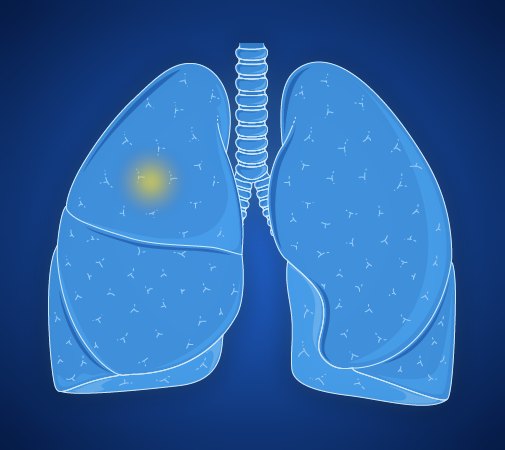

Lung cancer treatment depends on histology, TNM stage, mediastinal lymph-node involvement, molecular biomarkers and whether the patient has enough cardiopulmonary reserve for surgery. Early-stage non-small-cell lung cancer (NSCLC) is frequently treated surgically, while locally advanced and metastatic disease usually require multimodality or systemic treatment.
Thoracic oncology also includes selected tumors of the chest wall, mediastinum, pleura and thymus, but this guide focuses primarily on primary lung cancer and the surgical principles used in thoracic oncology. Do not schedule lung surgery from a CT scan alone. Tissue diagnosis, PET-based staging, appropriate brain imaging, mediastinal-node assessment when indicated and pulmonary-function evaluation can all change whether surgery is the correct first treatment.
Complete Staging Before You Travel
The most useful thing you can do before booking a flight is to make sure you have a tissue diagnosis, PET-CT, brain imaging where relevant and lung-function tests. A surgical plan built on a CT scan alone can send you abroad for an operation that your stage does not support.
Urgent Warning
Coughing up significant blood, sudden severe breathlessness, chest pain with breathlessness, a swollen face and neck, new confusion, new weakness or a seizure needs emergency assessment at the nearest hospital. Do not delay urgent care for these problems while arranging international travel.
A suspicious shadow on a scan, or a diagnosis of lung cancer, brings fear and a rush of decisions about tests, order of treatment, operation and place. This guide is written to help you understand the stages of a sound plan, ask any surgeon and oncologist the questions that matter, and organise the whole journey, not only the operation. It does not promise outcomes; every cancer and every patient is different. Use it alongside your own reports and your own doctors' advice.
Short Answer: Is India a Good Option for Lung and Thoracic Cancer Treatment?
For many patients, yes. Major Indian cancer centres have thoracic surgeons, pulmonologists, medical and radiation oncologists, nuclear medicine and molecular pathology working together, and they perform lobectomy and minimally invasive lung surgery regularly, with private care costing far less than in the USA, UK, Australia or the Gulf. But the right first treatment depends on your stage, biomarkers and lung function, and may be systemic therapy rather than surgery. Send your biopsy, CT and PET images and lung-function tests for review, confirm staging and molecular testing before you travel, ask who will deliver any drug treatment, and arrange follow-up at home. Coughing blood or severe breathlessness needs local emergency care first.
Quick Facts – Lung and Thoracic Cancer Treatment and Surgery for International Patients in India
| Feature | Typical planning information |
|---|---|
| Main lung cancer groups | NSCLC (~majority) and small-cell lung cancer (SCLC) |
| Core staging | Contrast CT + PET-CT; brain MRI in appropriate stages/symptoms; invasive mediastinal staging when indicated |
| Curative surgery | Usually anatomic lobectomy or segmentectomy in selected early NSCLC; pneumonectomy only when necessary |
| Lymph nodes | Systematic nodal dissection/sampling is essential for accurate pathological staging |
| Minimally invasive options | VATS and robotic thoracic surgery in suitable patients |
| Systemic treatment | Chemotherapy, immunotherapy and targeted therapy according to stage and biomarkers |
| Hospital stay | Often ~4–7 days after uncomplicated minimally invasive lobectomy; longer after complex/open surgery |
| International stay | Often ~10–14 days after routine lung resection; longer for pneumonectomy/complications |
| India surgery cost | Approximately US$7,000–13,000+ for routine VATS/open lobectomy; robotic/complex surgery higher |
| Anaesthesia | General anaesthesia with a thoracic anaesthetist and a regional or epidural pain block where suitable |
| Team you need | Thoracic surgical oncologist, pulmonologist/bronchoscopist, medical and radiation oncologist, nuclear medicine, molecular pathologist, thoracic anaesthesia/ICU |
| Alternatives to consider | Systemic therapy first, chemoradiotherapy, stereotactic radiotherapy (SBRT) for borderline fitness, a second opinion on stage |
| Records to send | CT/PET images, biopsy pathology, brain MRI, EBUS reports, lung-function tests, molecular results and prior treatment |
| Major Indian hubs | Cancer and thoracic programmes in Delhi NCR, Mumbai, Bengaluru, Chennai, Hyderabad, Kolkata and other major cities; confirm each surgeon's thoracic oncology volume |
| Companion | Strongly advisable; a medical attendant visa can be arranged |
Why India, Causes, Symptoms, Diagnosis and Staging
Why Do International Patients Consider India for Lung Cancer Treatment?
Patients look at India for practical reasons, and the strongest ones are about reaching an experienced thoracic oncology team at a price that does not force a compromise on safety:
- Cost. Private lung cancer surgery in India is commonly a fraction of private prices in the USA, UK, Australia and the Gulf, even with a full staging work-up included.
- Surgical volume. Large Indian cancer and thoracic units perform lobectomy and nodal dissection regularly, which builds the skill that complete cancer surgery needs.
- Multidisciplinary tumour boards. Many centres review each case with surgery, pulmonology, medical and radiation oncology, radiology and pathology together before treatment starts.
- Technology. PET-CT, EBUS, VATS, robotic platforms, stereotactic radiotherapy and molecular testing are available in major centres.
- Short waiting times. Many centres can review records within days and start treatment soon after the plan is agreed, which matters in cancer.
- Complete packages. Staging, surgery, stay and rehabilitation can be quoted together, with coordinators for visas, transfers and accommodation.
- Language. English is widely used in Indian hospitals, and interpreters can usually be arranged.
None of this means every patient should travel. India is a sensible option for a patient whose diagnosis is confirmed, who is medically fit for the journey and whose home team will accept records and continue care. It is not a good option for someone who is coughing blood, severely breathless, or too unwell to fly safely.
How Does India Compare with Other Medical Travel Destinations?
Patients often compare India with Turkey, Thailand, Malaysia, Singapore, South Korea, Japan or the Gulf. The honest comparison is about the whole pathway, not the price list:
| Factor | What India can offer | What to verify |
|---|---|---|
| Cost | Often a large saving against private care in the USA, UK, Australia and the Gulf for routine lung resection. | That the quote names the operation, nodal dissection, approach, ICU policy and exclusions in writing. |
| Surgeon experience | Many thoracic surgeons perform lobectomy regularly. | The named surgeon's own volume of lung cancer resections and nodal assessment, not just the hospital's reputation. |
| Team and tumour board | Multidisciplinary review is routine in major centres. | That your case will actually be presented and that a medical oncologist will see you before surgery. |
| Pathology and biomarkers | EGFR, ALK, PD-L1 and broader panels available in many centres. | Which tests will be done, in which laboratory, on what tissue and how fast the results are returned. |
| Waiting time | Usually short once records are reviewed. | Whether extra staging, EBUS or systemic therapy first changes how long you must stay. |
| Rehabilitation | Chest physiotherapy and respiratory support in larger centres. | Whether physiotherapy begins on day one and how long it continues. |
| Follow-up | Imaging and review before you leave India. | Who will manage drug treatment, CT scans and symptoms at home, and whether they accept the records. |
| Language and communication | English widely spoken; interpreters can be arranged. | That consent and discharge instructions are in a language you understand. |
A Fair Comparison
Outcomes in lung cancer depend on stage, tumour biology and the quality of surgery and systemic therapy. Countries with lung cancer screening programmes find more cancers early, which improves their published results. A centre in India can offer comparable technical care for a patient with the same stage, but it cannot change the stage that was present at diagnosis. Judge a centre by its stage-matched results, its team and its transparency, not by a price or a promise.
What Causes Lung Cancer, and Who Is at Higher Risk?
The factors below raise the risk of lung cancer, although many people with risk factors never develop it and some without any do:
| Factor | How it relates to lung cancer |
|---|---|
| Tobacco smoking | The leading cause. Risk rises with the amount and duration of smoking and falls gradually after quitting. |
| Secondhand smoke | Long exposure at home or work raises risk in non-smokers. |
| Radon gas | A naturally occurring gas that can build up in buildings in some regions. |
| Air pollution and occupational exposures | Fine-particle pollution, asbestos, silica, diesel exhaust and some metals and chemicals are linked to lung cancer. |
| Biomass and cooking-fuel smoke | Long exposure to smoke from indoor cooking fires is a recognised risk in some settings. |
| Family history and genetics | A close relative with lung cancer raises risk, and some inherited and acquired gene changes are relevant to treatment. |
| Previous chest radiation or lung disease | Earlier radiotherapy to the chest and chronic lung disease can add risk. |
| Never-smokers | A meaningful share of patients, especially with adenocarcinoma, have never smoked, and their tumours often carry treatable gene changes. |
What Are the Symptoms That Lead to Investigation?
Early lung cancer often causes no symptoms and is frequently found on a scan done for another reason. Symptoms that should prompt investigation, particularly if they persist beyond a few weeks, include:
| Symptom | What it may mean |
|---|---|
| A cough that persists or changes | May be benign, but a new or changing cough lasting weeks needs a chest X-ray or CT. |
| Coughing up blood | Needs prompt assessment; heavy bleeding is an emergency. |
| Breathlessness or wheeze | Can reflect a tumour in the airway, fluid around the lung or lung collapse. |
| Chest pain | May come from the lung lining, ribs or chest wall. |
| Repeated chest infections | A blocked airway can cause infections that keep returning in the same area. |
| Unintended weight loss and loss of appetite | A serious sign that should always prompt assessment. |
| Hoarseness or difficulty swallowing | Can occur when a tumour presses on nearby nerves or structures. |
| Bone pain, headache or neurological symptoms | May suggest spread and need urgent imaging. |
These symptoms are common to many harmless conditions. They deserve a scan rather than repeated antibiotics or cough medicines, especially if you smoke or have smoked, are over 50, have lost weight or have a family history.
Diagnosis: NSCLC vs Small-Cell Lung Cancer
The pathology determines the treatment pathway. The two broad groups behave differently.
| Cancer type | Typical biology / treatment implication |
|---|---|
| NSCLC | Includes adenocarcinoma, squamous-cell carcinoma and other subtypes. Surgery is central for many localized stages. |
| Small-cell lung cancer | Usually rapidly systemic; chemotherapy/immunotherapy and radiotherapy are central. Surgery is reserved for uncommon, very early, rigorously staged node-negative disease. |
How tissue is obtained
- CT-guided needle biopsy for peripheral lesions.
- Bronchoscopy for central/endobronchial tumors.
- EBUS-guided biopsy for mediastinal/hilar lymph nodes.
- Navigational/robotic bronchoscopy in selected centres and lesions.
- Surgical biopsy when less invasive methods are non-diagnostic.
Adenocarcinoma molecular testing
Advanced nonsquamous NSCLC and selected other cases require broad molecular profiling. Actionable alterations can include EGFR, ALK, ROS1, BRAF, KRAS G12C, MET exon 14, RET, NTRK, HER2 and others as testing evolves.
PD-L1
PD-L1 expression helps guide immunotherapy decisions but is not the only determinant; stage, driver mutations, histology and regimen matter.
Protect the Tissue
Biopsy strategy should preserve enough tissue for molecular testing. Repeating an invasive biopsy because the first sample was exhausted can delay treatment for an international patient.
Which biopsy for which lesion?
| Method | Best suited to | Points to know |
|---|---|---|
| CT-guided needle biopsy | Peripheral nodules and masses near the chest wall | Small risk of air leak (pneumothorax) and bleeding; ask that extra cores be saved for molecular tests. |
| Bronchoscopy | Central tumours visible in the airway | Done under sedation; can also sample nearby nodes. |
| EBUS-TBNA | Mediastinal and hilar lymph nodes | Sampling and staging in one procedure, usually without an incision. |
| Navigational or robotic bronchoscopy | Selected small peripheral lesions | Available in some centres; ask about diagnostic yield. |
| Surgical biopsy | When other methods fail or a lesion is both diagnostic and treatable | May combine diagnosis and removal under one anaesthetic when the plan is clear. |
Staging Before Lung Cancer Surgery for International Patients in India
Accurate staging prevents futile thoracic surgery and determines whether systemic therapy should come first.
Core staging
- Contrast CT chest/upper abdomen.
- FDG PET-CT for potentially curable NSCLC to evaluate nodes and distant disease.
- Brain MRI in appropriate stage/risk groups or neurological symptoms.
- Pathological confirmation of suspicious distant lesions when it would change treatment.
Mediastinal lymph-node staging
PET-positive/enlarged mediastinal nodes, central tumors and selected higher-risk cases may require invasive staging. EBUS-TBNA is commonly the first minimally invasive method; mediastinoscopy or surgical staging is used selectively.
| Nodal stage | Meaning |
|---|---|
| N0 | No regional lymph-node metastasis |
| N1 | Ipsilateral peribronchial/hilar/intrapulmonary nodes |
| N2 | Ipsilateral mediastinal/subcarinal nodes |
| N3 | Contralateral mediastinal/hilar or supraclavicular/scalene nodes |
Why N2 matters
Mediastinal N2 disease is heterogeneous. Some selected potentially resectable cases may undergo induction systemic therapy ± radiotherapy followed by surgery in a multidisciplinary programme; bulky/multistation disease is generally managed non-surgically.
TNM and resectability
Tumor size, invasion of nearby structures, nodal disease and distant metastasis determine stage. 'Technically removable' is not identical to 'oncologically appropriate to remove.'
Avoid Surprises
Unexpected N2 or metastatic disease discovered after arriving for surgery can completely change the plan. High-quality staging before travel reduces this risk.
The diagnostic pathway at a glance
| Step | What happens | What it answers |
|---|---|---|
| 1 | CT chest and upper abdomen | Where is the tumour, how large is it and are nodes or other organs involved? |
| 2 | Biopsy by the safest suitable route | Is it NSCLC or small-cell cancer, and which subtype? |
| 3 | Molecular and PD-L1 testing on the tissue | Is there a treatable driver change or an immunotherapy marker? |
| 4 | PET-CT | Is there spread to nodes or distant organs? |
| 5 | Brain MRI when indicated | Has the cancer spread to the brain? |
| 6 | EBUS or mediastinoscopy when indicated | Are the mediastinal nodes involved (N2 or N3)? |
| 7 | Lung function, heart and fitness assessment | Can you tolerate the planned resection? |
| 8 | Tumour board review | What is the stage, and what is the right order of treatment? |
Each step can change the plan, and skipping one can mean an operation that does not match your actual stage. A centre that is willing to explain this sequence for your case is likely to plan carefully.
Fitness for Surgery, Options and Preparation for International Patients in India for Lung and Thoracic Cancer
Is the Patient Fit Enough for Lung Resection?
Lung resection removes functioning lung tissue. Operability therefore requires both oncologic resectability and adequate cardiopulmonary reserve.
Pulmonary-function assessment
- Spirometry including FEV1.
- DLCO (diffusing capacity).
- Predicted postoperative FEV1 and DLCO based on planned resection.
- Exercise testing/CPET in higher-risk patients.
- Perfusion testing selectively when pneumonectomy or marginal reserve is considered.
Cardiac and general fitness
ECG, cardiovascular risk assessment and additional cardiac testing are individualized. Frailty, nutrition, renal function, diabetes and smoking status influence perioperative risk.
Smoking cessation
Stopping smoking before surgery improves airway clearance and reduces pulmonary complications. Even short-term cessation is worthwhile; longer cessation is preferable when cancer timing allows.
Prehabilitation
Walking/aerobic conditioning, breathing exercises, nutrition and inspiratory-muscle training may improve recovery in selected patients.
Borderline lung function
A patient who cannot tolerate lobectomy may still be considered for anatomic segmentectomy, stereotactic body radiotherapy (SBRT) or another strategy depending on tumor stage and anatomy.
Safe for the Patient, Not Only for the Tumour
The best cancer operation is not safe if the remaining lung cannot support the patient. Predicted postoperative function should be assessed before major resection.
How fitness tests guide the plan
| Test | What it measures | Why it matters |
|---|---|---|
| Spirometry (FEV1) | How much air you can blow out in one second | A low value may limit how much lung can be removed. |
| DLCO | How well oxygen crosses from air to blood | Can be low even when FEV1 looks acceptable, and it predicts complications. |
| Predicted postoperative values | Estimated function left after the planned resection | The key number for deciding whether lobectomy or pneumonectomy is safe. |
| Exercise test or CPET | Oxygen use during effort | Helps in borderline or higher-risk patients. |
| Perfusion scan | How much blood flow each lung receives | Useful when a whole lung may be removed. |
| ECG, echocardiogram, cardiac review | Heart rhythm and function | Heart disease is a common limiting factor. |
| Blood tests and nutrition | Kidney, liver, anaemia, albumin | Poor nutrition and anaemia raise complication risk. |
Treatment Options at a Glance
The first treatment depends on stage, tumour type, biomarkers and fitness. The table summarises how the main pathways compare, and your own team will tailor it:
| Situation | Usual first approach | What to ask |
|---|---|---|
| Early NSCLC (stage I) in a fit patient | Anatomic resection (lobectomy, or segmentectomy for selected small peripheral tumours) with nodal assessment | Which operation, and how many nodes will be examined? |
| Early NSCLC but borderline lung function | Segmentectomy or stereotactic body radiotherapy (SBRT) | Which is safer for my lung function and anatomy? |
| Resectable stage II–III | ||
| NSCLC | Surgery combined with systemic therapy, before or after the operation | Should drug treatment come first, and which regimen? |
| Suspected N2 or bulky nodal disease | Invasive nodal staging, then induction treatment or chemoradiotherapy | Has N2 been proven, and is surgery still sensible? |
| Unresectable stage III | Chemoradiotherapy followed by consolidation immunotherapy | Do I qualify for this standard pathway? |
| Metastatic NSCLC | Systemic therapy guided by biomarkers; local treatment in selected cases | Which markers have been tested, and what is the treatment goal? |
| Small-cell lung cancer | Chemotherapy, immunotherapy and radiotherapy; surgery only in very early node-negative disease | Is my disease limited, and is the full staging complete? |
Is Surgery in India Right for You? A Short Checklist
This checklist is not a decision, but it helps you see whether you are likely to be a good candidate for treatment in India. Ask yourself:
Consider Treatment in India If
- Your diagnosis is confirmed by biopsy and a clear staging plan exists.
- Your lung function has been measured and your team has predicted your function after surgery.
- You are medically fit for the journey and not coughing blood or severely breathless.
- Your stage is one where the sequence (for example drug treatment first) can be started or continued with a team you can reach.
- You have a companion, a visa plan and a home clinician willing to take over care.
- You have records, images and pathology ready to send for review before travelling.
Pause and Take Local Advice First If
- You are coughing significant blood or struggling to breathe.
- You need oxygen at rest or your oxygen level drops easily.
- Your stage is not yet known or tissue has not confirmed the cancer type.
- You have been told systemic treatment should begin soon and cannot arrange continuity abroad.
- You are unable to travel with a companion.
Preparing Yourself Before Treatment (Prehab) for International Patients in India for Lung and Thoracic Cancer
Lung surgery and drug treatment are easier to tolerate when you start in the best condition you can reach. Many centres work with a physiotherapist and dietitian from the first visit. Practical steps, to be agreed with your team, include:
- Stop smoking now. Even a few weeks without smoking improves airway clearance and lowers chest complications, and your team can help with nicotine replacement.
- Practise breathing exercises. Deep breathing, an incentive spirometer and coughing technique, taught before surgery, make recovery easier.
- Walk every day. Aerobic conditioning improves reserve; build up gradually as your team allows.
- Protein and calories. Keep weight stable with small, frequent, protein-rich meals and supplements if appetite is poor.
- Treat anaemia and infection. Correct deficiencies and treat chest infections or dental problems before surgery.
- Control other conditions. Diabetes, high blood pressure, heart and lung disease should be optimised and your medicines reviewed, including inhalers.
- Cut alcohol. It affects healing, anaesthesia and withdrawal risk.
- Plan your support. Arrange who will travel with you, who will help you at home afterwards and who will manage medicines.
Surgery can often wait a short time for a few weeks of conditioning and smoking cessation when the cancer stage allows. Ask your team whether that is true in your case.
Send your CT and PET-CT images (the actual image files, not only the reports), biopsy or pathology reports, brain MRI and any EBUS or mediastinoscopy reports, lung-function tests (spirometry and DLCO), molecular and PD-L1 results if you have them, your smoking history, your breathing and walking ability, any chemotherapy, radiotherapy or surgery already given, and your medical conditions and medicines. You will receive a preliminary opinion covering the likely stage, whether more staging or tissue testing is needed, whether you are fit enough for lung resection, whether surgery or systemic treatment should come first, the operation you may need and whether a minimally invasive approach is suitable, whether you are fit to travel, the expected stay in India, an itemized cost estimate and the follow-up you will need at home, so you can decide with a clear picture in hand.
Lung Resections, Approach and Your Surgery Day
Lobectomy, Segmentectomy, Sleeve Resection and Pneumonectomy
The surgical goal is complete (R0) tumor removal with adequate lymph-node assessment while preserving as much healthy lung as oncologically safe.
| Operation | Typical role | Key consideration |
|---|---|---|
| Wedge resection | Non-anatomic small peripheral resection; selected high-risk/diagnostic situations | Less lung removed but generally less oncologically robust than anatomic resection |
| Segmentectomy | Anatomic removal of one or more bronchovascular segments | Established option for selected small peripheral early NSCLC; requires margins/nodal assessment that are adequate |
| Lobectomy | Removal of one lung lobe | Long-standing standard for operable localized NSCLC when appropriate |
| Sleeve lobectomy | Lobe + involved bronchial segment, airway reconstructed | Can avoid pneumonectomy for selected central tumors |
| Pneumonectomy | Removal of an entire lung | Reserved when complete resection cannot be achieved with lung-sparing surgery; high perioperative risk |
Segmentectomy vs lobectomy
Modern evidence supports anatomic segmentectomy for selected small (often ≤2 cm), peripheral, node-negative NSCLC when adequate margins and nodal assessment are achievable. It is not equivalent to a casual wedge excision.
Sleeve resection
For central tumors involving a lobar bronchus, sleeve lobectomy can achieve complete resection while preserving lung and is preferred over pneumonectomy when technically and oncologically feasible.
Pneumonectomy
Pneumonectomy carries greater respiratory and cardiac risk and requires particularly careful functional evaluation. Right pneumonectomy often has higher perioperative risk than left.
Lung Preservation Has Limits
Preserving lung is valuable only if cancer clearance remains adequate. Conversely, pneumonectomy should not be chosen when a safe oncologic sleeve resection can preserve functioning lung.
Which operation for which tumour?
| Tumour situation | Usual operation | Why |
|---|---|---|
| Small peripheral node-negative tumour | Segmentectomy, or lobectomy | Preserves lung when margins and nodes are adequate. |
| Larger or node-involved tumour within one lobe | Lobectomy with nodal dissection | The standard anatomic cancer operation. |
| Tumour crossing a fissure into the neighbouring lobe | Bilobectomy or lobectomy with fissure handling | Depends on how the tumour crosses the fissure. |
| Central tumour at the origin of a lobar bronchus | Sleeve lobectomy | Avoids pneumonectomy while keeping margins clear. |
| Tumour involving the main bronchus or pulmonary vessels with no lung-sparing option | Pneumonectomy | Used only when complete removal cannot be achieved otherwise. |
| Tumour invading the chest wall | Lobectomy with en-bloc chest-wall resection | Needs reconstruction and a specialist team. |
| Poor lung function, small tumour | Segmentectomy, wedge or SBRT | Chosen to match the remaining lung capacity. |
VATS, Robotic and Open Thoracic Surgery for International Patients in India
Minimally invasive thoracic surgery can provide the same oncologic operation through smaller ports when performed by an experienced thoracic oncology team.
| Approach | Potential advantages | When open surgery may still be needed |
|---|---|---|
| VATS | Smaller incisions, less early pain, faster mobilization and shorter stay in many patients | Bulky central tumors, complex vascular/chest-wall involvement, difficult adhesions |
| Robotic | 3D view and articulated instruments can facilitate hilar/nodal dissection | Higher technology cost; benefits depend on surgeon/team experience |
| Open thoracotomy | Maximum direct exposure and tactile access | Appropriate for complex resections; greater incision-related recovery burden |
Lymph-node dissection
VATS/robotic surgery must still include systematic nodal assessment. A small incision is not a substitute for complete oncologic staging.
Conversion to thoracotomy
Unexpected bleeding, dense adhesions, difficult anatomy or oncologic extension can require conversion. Timely conversion is a safety decision.
Chest-wall resection
Selected lung cancers invading ribs/chest wall may require en-bloc lung and chest-wall resection with reconstruction.
Airway/vascular reconstruction
Specialist centres can perform bronchial sleeve and selected pulmonary-artery sleeve/plasty procedures to avoid pneumonectomy when feasible.
Ask About the Operation, Not the Machine
Ask what operation is planned—not simply whether it is robotic. Lobectomy quality, margins, lymph nodes and complication management matter more than the platform.
A Fair Comparison on Technology
Claims about robotic and VATS lung surgery are often stronger than the evidence, which varies by centre, stage and surgeon. Both approaches are widely used for early-stage cancer with comparable cancer outcomes in experienced hands, and robotic surgery mainly adds ergonomic and visual advantages. A centre that explains why an approach suits your tumour, and that will convert to open surgery if it is safer, is giving you better advice than one that promotes a machine.
Lung Surgery Day: What You Will Experience, Step by Step
Every hospital has its own routine, but the sequence is broadly similar. Knowing it beforehand reduces anxiety for you and your companion:
| Stage | What happens |
|---|---|
| Evening before | You stop eating at the time instructed, take only the medicines you were told to take and meet the anaesthetist and surgeon. Consent is confirmed, including what happens if the surgeon finds more disease than expected. |
| Morning | You change into a gown, are marked, have a drip placed and may receive blood-thinning injections and antibiotics. Your companion waits in a designated area. |
| Anaesthesia and monitoring | General anaesthesia is given with a breathing tube that allows one lung to be isolated, and monitoring lines. A regional or epidural block is often used for pain. |
| Staging check | |
| (if planned) | The surgeon may sample nodes first, and surgery proceeds only if the nodes are as expected. |
| Operation | The planned resection and lymph-node dissection are done through a few small ports (VATS or robotic) or through a thoracotomy. This usually takes about two to five hours depending on the operation. |
| Recovery room and ward | You wake in recovery and then move to the ward or ICU according to policy, with one or two chest drains in place. |
| Day 1 to 2 | Pain is controlled, you sit up and walk with help, practise breathing exercises and have a chest X-ray. |
| Day 2 to 5 | The chest drain is removed when the air leak has stopped and fluid is low, and a follow-up chest X-ray is done. |
| Discharge | |
| (often about | |
| 4–7 days after minimally invasive surgery) | You receive wound care, breathing exercises, a medicine list, the operative note and the pathology plan. Final pathology usually takes several days, so decisions about further treatment may wait for it. |
If the surgeon finds unexpected spread, a more extensive resection than planned or a reason that cure is not possible, the plan may change in theatre. Ask in advance what the surgeon would do and whether you have agreed to that option in your consent.
Chemotherapy, Immunotherapy and Targeted Therapy for International Patients in India for Lung and Thoracic Cancer
Chemotherapy, Immunotherapy and Targeted Therapy for International Patients in India for Lung and Thoracic Cancer
Modern lung-cancer surgery is integrated with systemic treatment according to stage and tumor biology.
Before surgery (neoadjuvant/perioperative therapy)
Selected resectable stage II–III NSCLC may receive platinum-based chemotherapy combined with immunotherapy before surgery, with or without planned postoperative therapy depending on the regimen and pathological findings.
After surgery (adjuvant therapy)
- Platinum-based chemotherapy for appropriate stage/pathology.
- EGFR-targeted adjuvant therapy for eligible resected EGFR-mutated NSCLC.
- ALK-targeted adjuvant therapy in eligible ALK-positive disease where indicated.
- Adjuvant immunotherapy in selected resected patients according to stage, PD-L1/molecular status and prior chemotherapy.
Why driver mutations matter
A strong oncogenic driver can change the preferred systemic strategy. Immunotherapy decisions should not be made from PD-L1 alone without considering molecular results.
Unresectable stage III disease
Concurrent chemoradiotherapy followed by consolidation immunotherapy is a major standard pathway for appropriate patients rather than surgery.
Metastatic NSCLC
Treatment is primarily systemic: targeted therapy for actionable drivers or immunotherapy/chemotherapy according to biomarkers and histology. Local surgery/SBRT can be considered in carefully selected oligometastatic settings within a multidisciplinary plan.
Small-cell lung cancer
Systemic therapy is central. Surgery is uncommon and generally limited to rigorously staged very early disease without nodal involvement.
Molecular Testing Is Essential
Molecular testing is now part of treatment planning, not an optional extra. It can determine therapy after surgery and is crucial in advanced NSCLC.
Systemic Treatment at a Glance
The table below explains the main kinds of drug treatment in plain terms. Your oncologist chooses the regimen from your stage, biomarkers, fitness and local availability; the table is for understanding, not for selection.
| Treatment type | Typical role | What to ask |
|---|---|---|
| Platinum-based chemotherapy | Before or after surgery in stage-appropriate patients, and as the backbone in many advanced settings. | Which regimen, how many cycles, and can I receive them at home? |
| Targeted therapy | Tablets or drugs aimed at a gene change such as EGFR or ALK, in the adjuvant or advanced setting. | Has my tumour been fully tested, and is the drug available and funded where I live? |
| Immunotherapy | Before, after or instead of chemotherapy in selected settings, guided by markers such as PD-L1. | Do my markers and stage make me suitable, and what side effects need monitoring? |
| Chemoradiotherapy | Standard for many unresectable stage III cancers, often followed by consolidation immunotherapy. | Do I qualify, and where will radiotherapy be given? |
| Stereotactic radiotherapy (SBRT) | Early tumours in patients who cannot have surgery, and selected limited metastases. | Is it a fair alternative to surgery in my case? |
| Palliative and supportive care | Symptom control, breathing support, pain and comfort alongside or instead of anticancer drugs. | Who will manage symptoms if treatment becomes difficult? |
Common treatment side effects and what to do
| Side effect | What you may notice | What helps |
|---|---|---|
| Nausea and vomiting | Reduced appetite, queasiness | Anti-sickness medicines taken as prescribed, small frequent meals, hydration. |
| Low blood counts | Tiredness, infections, bruising | Blood tests before each cycle; report fever of 38°C or above at once. |
| Rash, diarrhoea and mouth sores (targeted therapy) | Skin changes, loose stools, soreness | Early reporting; creams, medicines and dose changes can help. |
| Immune-related effects | ||
| (immunotherapy) | Cough, breathlessness, diarrhoea, rash, thyroid or hormone changes | Report new symptoms promptly; they can be treated if caught early. |
| Numbness or tingling | Fingers and toes | Tell your team early; doses can sometimes be adjusted. |
| Cough or breathlessness after radiotherapy | Lung inflammation weeks to months later | Report new breathlessness or cough; steroid treatment may be needed. |
| Fatigue | Reduced stamina | Pacing, gentle walking, rest and treating anaemia. |
The exact effects depend on the regimen. Ask for a written list of the side effects of your own treatment and a number to call at any hour.
Fever or New Breathlessness During Treatment
A temperature of 38°C or above, shivering, or new or worsening breathlessness during drug treatment or radiotherapy is an emergency because blood counts may be low or the lungs inflamed. Go to the nearest hospital and say you are on cancer treatment.
Risks, Prognosis and Warning Signs
Risks, Recovery, Prognosis and International Travel
Thoracic surgery risks depend on lung function, extent of resection, smoking history, comorbidities and surgical complexity.
Important complications
- Prolonged air leak.
- Pneumonia/atelectasis.
- Bleeding.
- Atrial fibrillation/other arrhythmia.
- Blood clots/pulmonary embolism.
- Bronchopleural fistula—particularly important after major resection.
- Empyema/infection.
- Respiratory failure.
- Rare but serious cardiovascular complications.
Typical recovery
| Procedure | Typical hospital / early recovery |
|---|---|
| VATS/robotic segmentectomy or lobectomy | Often ~3–6 days if uncomplicated; walking begins early. |
| Open lobectomy | Often ~5–8 days; incision-related recovery generally longer. |
| Sleeve resection | Often ~6–10 days; bronchoscopy/follow-up individualized. |
| Pneumonectomy | Often ~7–12+ days; fluid, rhythm and respiratory monitoring are particularly important. |
International travel
After uncomplicated minimally invasive lobectomy, patients commonly plan 10–14 days in India before long-haul travel. Open, sleeve or pneumonectomy cases may need 2–3 weeks or longer.
Flying and residual air
Patients should not fly with an untreated pneumothorax. Chest imaging, oxygen requirement, wound status, mobility and thrombosis risk should be reviewed before clearance.
Prognosis
Stage is the strongest broad predictor. Early node-negative NSCLC has substantially better cure potential than node-positive or metastatic disease. Pathological stage after surgery determines recurrence risk and adjuvant treatment.
Before You Leave India
Obtain the final pathology and nodal map before returning home. These determine whether postoperative chemotherapy, immunotherapy or targeted therapy is recommended.
What Could Go Wrong, and How Likely Is It?
No honest surgeon can quote one risk figure for all patients, because risk depends on lung function, extent of resection, age and other illnesses. The table shows how each complication arises and how teams reduce it. Ask your surgeon for the centre's own rates for the operation you need.
| Complication | How it happens | How it is reduced or treated |
|---|---|---|
| Prolonged air leak | The lung surface keeps leaking air after the resection. | Chest drain for longer, sometimes a valve or sealant; most close with time. |
| Pneumonia and collapse | Sputum builds up because deep breathing and coughing are hard after surgery. | Pain control, early walking, breathing exercises and chest physiotherapy. |
| Irregular heart rhythm | Atrial fibrillation is common after chest surgery. | Monitoring and medicines; usually settles. |
| Bleeding | From a vessel or the chest wall, during or after the operation. | Careful control; transfusion or return to theatre if needed. |
| Blood clots | Reduced movement and cancer both raise clot risk. | Blood-thinning injections, early walking and stockings. |
| Bronchopleural fistula | A leak at the airway stump, mainly after major resection. | Careful technique and sometimes a tissue flap; treated with drainage, bronchoscopy or re-operation. |
| Infection and empyema | Infection in the chest cavity or wound. | Antibiotics, drainage and wound care. |
| Respiratory failure | Lungs unable to supply enough oxygen, mostly in those with poor reserve. | Selection by lung-function testing, ventilator support or oxygen therapy if needed. |
| Pain syndromes | Nerve pain along the incision. | Regional pain blocks, medicines and physiotherapy. |
Warning Signs After Surgery and What to Do
Some signs need quick action. Share this table with your companion, and keep the hospital's emergency number on your phone.
| Sign | What it may mean | What to do |
|---|---|---|
| Sudden worsening breathlessness or chest pain | Air leak, collapse, clot or heart rhythm problem | Go to emergency at once. |
| Coughing up blood | Bleeding in the airway | Go to emergency at once. |
| Fever of 38°C or above, or discharge from the wound | Infection | Contact your surgical team or go to emergency promptly. |
| A swollen, painful calf or sudden leg swelling | Blood clot | Emergency care immediately. |
| Racing, irregular heartbeat or fainting | Rhythm problem | Seek urgent care. |
| Rapid swelling under the skin of the chest or neck | Air under the skin | Contact your team the same day; emergency if breathing is affected. |
| Wound redness, swelling or opening | Wound infection | Contact your team promptly. |
| Fever or new breathlessness during cancer drugs or radiotherapy | Low counts or lung inflammation | Emergency care immediately. |
What You Can Do to Reduce Your Risk
Practical Steps
- Stop smoking, and stay stopped, before and after surgery.
- Practise your breathing exercises and cough with a supported pillow every hour you are awake.
- Walk early and often after surgery.
- Take blood-thinning injections, antibiotics and inhalers exactly as prescribed.
- Keep protein and fluid intake up to help healing.
- Report fever, breathlessness, coughing blood or wound problems early rather than waiting.
- Do not fly long-haul until your surgeon confirms your lung has expanded and you are fit.
Recovery Week by Week, and Travel
Recovery Week by Week for International Patients in India for Lung and Thoracic Cancer
Recovery after lung resection is gradual, and the speed varies with the extent of surgery, approach, lung function, age and whether drug treatment follows. The table is a general guide, and your surgeon's advice for you comes first.
| When | What to expect | What to do |
|---|---|---|
| Hospital, days | ||
| 1–2 | Pain managed with medicines or a regional block, chest drain in place, oxygen if needed. | Sit up, walk with help, breathe deeply every hour and tell staff about pain. |
| Hospital, days | ||
| 3–7 | Drain removed, X-ray checks, eating normally; discharge when comfortable, mobile and without a significant air leak. | Keep walking, practise breathing exercises, ask about wound care and medicines. |
| Week 1 after discharge | Tiredness, chest-wall discomfort and a mild cough are common. | Short walks, small meals, rest between activities and regular pain relief. |
| Weeks 2–3 | Energy slowly improves; stitches or sutures removed; final pathology and the plan for further treatment are reviewed. | Stay close to the hospital until your surgeon clears you to fly. |
| Weeks 3–6 | Fit-to-fly in many uncomplicated cases; more normal activity, still some breathlessness on effort. | Fly only after clearance; keep exercising and attend follow-up. |
| Weeks 6–12 | Gradual return to work for many people; drug treatment may be under way. | Increase walking and light exercise; report persistent pain or breathlessness. |
| Months 3–6 | Stamina and breathing settle; scans and check-ups per plan. | Keep attending reviews, stay smoke-free and continue pulmonary rehabilitation. |
Many patients feel a reduction in stamina for some months, especially after open surgery or larger resections. This is expected and improves for most people with graded exercise.
Breathing, Pain and Activity After Surgery
| Tip | Why it helps |
|---|---|
| Use the incentive spirometer or breathing exercises as taught | Opens the lung and prevents collapse and pneumonia. |
| Hold a pillow against the wound when you cough | Makes coughing less painful and more effective. |
| Take pain relief regularly, not only when pain is severe | Good pain control lets you breathe deeply and move. |
| Walk several times a day and increase gradually | Prevents clots and rebuilds stamina. |
| Avoid heavy lifting and straining for the period your surgeon advises | Protects the chest wall and wounds. |
| Sleep with your upper body raised if lying flat is uncomfortable | Eases breathing and discomfort. |
| Avoid smoke, fumes and people with chest infections | Protects the healing lung. |
| Keep up fluids and protein | Supports healing and sputum clearance. |
Practical Questions Patients Ask After the Operation
Why is my shoulder or chest wall sore? Pain along the incision, between the ribs and in the shoulder is common after lung surgery. It usually eases over weeks to months, and your team can adjust pain treatment. Will I be short of breath after a lobectomy? Many people notice reduced stamina for a time, and most adapt well, especially with exercise. Persistent or worsening breathlessness should be reported. When can I drive? Usually when you can move comfortably, turn your shoulders and are off strong painkillers, as your surgeon advises. When can I return to work? Desk work is often resumed after several weeks; heavy work after a longer period, depending on recovery and treatment. Do I need oxygen at home? Most people do not after routine lobectomy, but a few need it for a short time. Your team will check your oxygen level before discharge. When will I know the final pathology? Often within about a week. This report decides whether you need further treatment and what the plan will be. Can I start chemotherapy or targeted therapy at home? Often yes if the pathology report, molecular results and regimen are clearly documented and your home oncologist agrees to take over. When is my next scan? Your team will set this according to stage and treatment. CT scans are usually done at planned intervals for several years. Is a persistent cough normal? A dry cough is common for some weeks after surgery. Coughing blood, fever or increasing breathlessness should be reported at once. Can I exercise? Yes. Walking is encouraged from the first day, and your team will advise when to add more demanding exercise.
Travel Practicalities After Lung Surgery for International Patients in India
| Topic | What to know |
|---|---|
| Fit to fly | Your surgeon decides after a chest X-ray and review of oxygen level, wounds and complications. Many uncomplicated minimally invasive patients are cleared about 10–14 days after surgery. |
| Residual air in the chest | You should not fly with an untreated pneumothorax; imaging before clearance checks the lung has re-expanded. |
| Blood clots | Walk every hour or two on long flights, drink fluids, wear compression stockings if advised and continue blood thinners if prescribed. |
| Oxygen on board | If you need oxygen, arrange it with the airline well in advance. |
| Medicines | Carry a letter listing everything, in original packaging, in hand luggage, including inhalers and cancer drugs. |
| Seat and mobility | Request an aisle seat and assistance with luggage; avoid heavy lifting. |
| Insurance | Check that travel insurance covers complications or cancellation after cancer surgery. |
| Records | Carry the operative note, discharge summary, pathology report, molecular results and scan discs in hand luggage. |
| Emergency plan | Know the nearest hospital at home with chest and cancer services, and have your oncologist's contact on your phone. |
Living After Treatment and Special Situations
Living After Lung Cancer Treatment at a Glance
| Area | What to expect and what to do |
|---|---|
| Breathing | Stamina improves with exercise; pulmonary rehabilitation helps many people. |
| Pain | Chest-wall discomfort may linger; report severe or worsening pain. |
| Smoking | Staying smoke-free lowers the risk of new lung cancers and other diseases; ask for help to quit. |
| Energy | Tiredness can last months; walking and light exercise help. |
| Follow-up visits | Regular reviews and CT scans on the schedule your team sets. |
| Drug treatment | Continue targeted or immune therapy as prescribed and report side effects early. |
| Vaccinations | Ask your doctor about flu, pneumonia and COVID vaccines. |
| Emotional wellbeing | Anxiety and low mood are common; seek support early. |
| Work and travel | Gradual return, with flexibility for appointments and rest. |
Emotional Wellbeing and Realistic Expectations
A lung cancer diagnosis, an operation and a long treatment plan in a foreign country can be exhausting, and it is normal to feel frightened, tired or low at times. Many patients, particularly those who smoked, also carry guilt or blame, which is not helpful and not deserved: no one deserves lung cancer, and treatment works the same way regardless of smoking history. Many find it helpful to have a companion present, to ask for written plans, to speak to a counsellor or support group and to focus on one decision at a time. Be wary of any centre that promises a cure or that discourages you from asking for a second opinion. If you feel persistently hopeless, tell your team or a doctor at home, because support is available and treatable.
Special Situations
| Situation | What to consider |
|---|---|
| Older patients | Fitness, lung function and other illnesses matter more than age alone; segmentectomy or SBRT may be options. |
| COPD or emphysema | Lung-function testing guides how much lung can be removed; some patients are better served by segmentectomy or radiotherapy. |
| Heart disease | Assessment by a cardiologist and anaesthetist; treatment may be modified. |
| Never-smokers with adenocarcinoma | Broad molecular testing is especially important, as targeted therapy is often available. |
| Patients on blood thinners | Medicines may need to be changed under supervision around surgery and procedures. |
| Previous chest surgery or radiotherapy | Scarring and reduced reserve may change the approach; send all records. |
| Pleural, chest-wall, mediastinal or thymic tumours | Different pathways apply; confirm the plan with a specialist thoracic oncology team. |
| Suspected hereditary cancer | Genetic counselling and family screening may be advised. |
| Metastatic disease | The focus is on systemic therapy, comfort and quality of life; local treatment is for selected cases. |
| Patients needing oxygen | Travel needs careful planning and may not be safe; take local medical advice first. |
Choosing a Thoracic Cancer Centre for International Patients in India
Choosing a Thoracic Cancer Centre in India
Choose a centre by what it can show about lung cancer care, not by size or advertising. Useful signals include:
- A named thoracic surgical oncologist who performs lobectomy and systematic nodal dissection regularly.
- A tumour board that reviews your case with a medical oncologist, radiation oncologist, radiologist and pathologist.
- Interventional bronchoscopy including EBUS and PET-CT, with experienced reporting.
- Molecular pathology that can test EGFR, ALK, PD-L1 and broader panels.
- Thoracic anaesthesia, an ICU and chest physiotherapy.
- Clear policies on chest drains, air leaks and complications.
- Willingness to give you a written plan, review your outside scans and support continuation of care at home.
Four more questions to ask
- How many lung resections does the surgeon perform each year, and what are the complication and mortality rates?
- Who will see me first, the surgeon or the medical oncologist, and will they discuss my case together?
- If staging finds more disease than expected, what is the plan and what will it cost?
- Who will give drug treatment or radiotherapy if it needs to be continued after I leave, and how will records be handed over?
What a Good International Patient Service Should Provide
A Good Service Will
- Review your scans, biopsy and lung-function tests before you travel and give a preliminary opinion in writing.
- Explain the staging plan and the likely order of treatment, including drug treatment.
- Give an itemised quotation that names the operation, nodal dissection, approach, ICU policy and exclusions.
- Arrange visa letters, airport transfers, accommodation and a patient coordinator.
- Involve a chest physiotherapist and provide interpreter services where needed.
- Provide a complete discharge pack with the operative note, pathology and nodal map.
- Communicate with your home clinicians and arrange follow-up.
- Explain what will happen if the plan changes or complications arise.
Red Flags When Choosing a Centre
Be Cautious If
- A surgery date and price are offered without reviewing your scans and biopsy.
- You are told surgery is the only option without PET staging, nodal assessment or tumour-board review.
- Lung function, molecular testing or EBUS is never mentioned.
- Robotic surgery is promoted as more curative.
- The quotation is a single figure with no list of inclusions or exclusions.
- Questions about outcomes, complications or experience are brushed aside.
- You are pressured to decide quickly or to pay in full in advance.
- Drug-treatment costs and continuity are left unexplained.
If You Become Unwell
Coughing blood, sudden breathlessness, chest pain, fever with chills or a racing heartbeat needs emergency care at the nearest hospital. Tell the staff you have had lung cancer treatment, and contact your team at the same time. Do not wait for a scheduled review.
Realistic Outcomes and What to Expect
What to Expect: A Realistic Picture of Outcomes for International Patients in India for Lung and Thoracic Cancer
No guide can tell you your own outlook, which only your doctors can estimate from your pathology and stage. In general terms:
| Stage group | General picture |
|---|---|
| Early node-negative NSCLC treated by complete resection | The best chance of cure, with scans and surveillance afterwards; outcomes are stage-specific and your oncologist can give figures for your case. |
| NSCLC with nodal involvement treated with surgery and drug treatment | Cure is possible for some, but the risk of recurrence is higher and treatment is more demanding. |
| Unresectable stage III treated with chemoradiotherapy and consolidation immunotherapy | A potentially long-term outcome for some patients, with careful monitoring. |
| Metastatic NSCLC with an actionable driver | Targeted therapy can control disease for long periods in many patients, although it is not a cure. |
| Metastatic NSCLC without a driver | Treatment aims to control disease and symptoms and to maintain quality of life. |
| Small-cell lung cancer | Often responds to treatment but may recur; surgery is for rare, very early disease. |
Use these as orientation only. Ask your own oncologist what your stage-specific figures and goals of treatment are, and be wary of any centre that quotes an unusually high success rate without stating the stage and the cancer type.
Cost, Budgeting and Quotations for International Patients in India for Lung and Thoracic Cancer
Lung Cancer Surgery Cost in India vs Other Countries
Cost varies by procedure, VATS/robotic technology, ICU use, staplers, lymph-node dissection, molecular testing and systemic therapy.
Indicative India planning ranges
| Treatment | Approximate India planning range (USD) |
|---|---|
| VATS/open lobectomy + nodal dissection | $7,000–$11,000+ |
| Robotic lobectomy | $9,000–$14,000+ |
| Anatomic segmentectomy | $6,500–$10,000+ |
| Sleeve lobectomy / complex bronchoplastic surgery | $9,000–$15,000+ |
| Pneumonectomy | $8,000–$13,000+ |
| Chest-wall/complex multivisceral thoracic resection | Often $12,000–$20,000+ |
Illustrative international comparison – lung resection
| Country | Approx. planning range (USD) | Illustrative saving vs India midpoint* |
|---|---|---|
| India | $7,000–$13,000+ | Baseline |
| USA | $50,000–$100,000+ | ~87% |
| UK private | $30,000–$55,000+ | ~76% |
| Australia private | $35,000–$60,000+ | ~79% |
| UAE | $18,000–$32,000+ | ~60% |
| Canada private | $35,000–$65,000+ | ~80% |
| Singapore private | $30,000–$55,000+ | ~76% |
*Illustrative midpoint comparisons only—not quotations. Systemic drugs, prolonged ICU care and complex resections can substantially alter total cost.
Quote checklist
- Exact planned resection and approach.
- Systematic lymph-node dissection/sampling.
- Staplers and major consumables.
- ICU/high-dependency policy.
- Pathology and molecular testing.
- Expected chest-drain/hospital stay.
- Separate estimates for chemotherapy, immunotherapy or targeted drugs.
Compare Pathways, Not Prices
Compare the complete cancer pathway. Surgery price alone is not enough if PET staging, EBUS, molecular testing or postoperative systemic therapy are still required.
Budgeting for the Whole Pathway, Not Just the Operation
The hospital quote is only part of the budget, and in cancer it is often not the largest part. A realistic plan also includes:
- Return flights for you and a companion, ideally with flexible dates.
- Accommodation and meals for the 10–14 days or longer in India, and longer if drug treatment or radiotherapy is given there.
- Staging tests such as PET-CT, brain MRI and EBUS, and molecular testing, if not already done.
- Chemotherapy, targeted drugs or immunotherapy, which may be quoted separately and can be a large cost.
- Medicines, inhalers, oxygen if needed and chest physiotherapy after surgery.
- Medical visa fees and travel insurance that covers complications.
- Follow-up scans, blood tests and consultations at home.
- A contingency for a longer stay, intensive care, a repeat procedure or a change of plan after staging.
Budget Tip
Ask the hospital to show which items are in the package price and which are charged separately, and in particular whether PET-CT, EBUS, ICU days, pathology, molecular tests and physiotherapy are included, and what happens to the price if the plan changes in theatre. A low headline price with many exclusions is not cheaper once the extras are added.
Quotation Comparison Table for International Patients in India for Lung and Thoracic Cancer
Use this table to compare written quotations from two hospitals on the same terms:
| Item to compare | Hospital 1 | Hospital 2 |
|---|---|---|
| Surgeon named and your records reviewed | ||
| Exact operation and lymph-node dissection | ||
| Approach: VATS, robotic or open | ||
| EBUS or mediastinal staging, if relevant | ||
| Surgeon and anaesthesia fees | ||
| Operating room, ICU and ward charges | ||
| Expected hospital and chest-drain stay (days) | ||
| Pathology and molecular tests | ||
| Chest physiotherapy | ||
| Drug treatment or radiotherapy estimate | ||
| Exclusions (ICU, complications, extra days, conversion) | ||
| Total price in writing |
What Should the Quotation Say About Complications?
- Who pays if a complication such as a prolonged air leak, bleeding or pneumonia occurs during the same admission?
- What is charged if the stay is longer than planned or ICU care is needed?
- Whether a return to the operating room is covered, and for how long after surgery.
- What follow-up consultations, scans and pathology review are included before you leave India.
- Whether remote follow-up with the team after you return home is free or charged.
Your Journey: Records, Visa, Travel and Going Home
Remote Case Review Before Travel for International Patients in India for Lung and Thoracic Cancer
Send your records first and ask for a written opinion before booking any flight. A good review confirms the diagnosis, the stage as far as it can be judged, whether surgery or drug treatment should come first, and whether you are fit to travel. If the team advises treatment at home, or a different order of treatment, that is useful information, not a lost sale.
Records to Gather
- CT and PET-CT images (DICOM files) and reports
- Biopsy and pathology reports, and slides or blocks if available
- Brain MRI and any EBUS or mediastinoscopy reports
- Pulmonary-function tests (spirometry and DLCO), and any cardiac tests
- Molecular (EGFR, ALK and others) and PD-L1 results if available
- Smoking history and how far you can walk or climb stairs
- Any chemotherapy, surgery or radiotherapy already given
- Medical conditions, allergies and current medicines, including inhalers
- Passport copy and contact details for visa letters
Your Typical International Journey
| Stage | What happens |
|---|---|
| Before leaving home | Send records, receive a written opinion and estimate, compare options, arrange visas and flights, and agree who will continue care at home. |
| Arrival in India | Airport pickup, rest and a first consultation. Repeat or additional staging tests, lung-function tests and an anaesthesia assessment are arranged. |
| Tumour board and plan | Your case is reviewed, molecular tests are sent if needed and the order of treatment is agreed with you. |
| Day before surgery | Final consent discussion, fasting instructions and medicine review. |
| Surgery and hospital stay | Lung resection under general anaesthesia and a stay of about 4–7 days after minimally invasive lobectomy if uncomplicated. |
| Recovery in India | Breathing exercises, wound checks, chest X-ray, final pathology and the plan for further treatment, until the surgeon clears you to fly, often about 10–14 days after surgery. |
| Flying home | With a fit-to-fly letter, discharge summary, operative note, pathology report and images. |
| After returning home | Drug treatment if planned, CT follow-up, rehabilitation and a clear line to the Indian team for questions. |
Medical Visa and Attendant for International Patients in India for Lung and Thoracic Cancer
Most international patients apply for an e-Medical Visa, and a companion can apply for an e-Medical Attendant Visa. Check the current rules, fees, validity and eligible nationalities on the official Indian e-Visa website before applying, and ask the hospital for the invitation letter you need. If drug treatment or radiotherapy will be given in India after surgery, ask about visa extension and length of stay early. Visa rules change, so confirm them at the time of travel.
Your Information Pack: What to Take Home
| Item | Why it matters |
|---|---|
| Operative note and discharge summary | Tell your doctors at home exactly what was done. |
| Full pathology report and nodal map | Decides further drug treatment and future surveillance. |
| Molecular and PD-L1 results | Needed for any targeted or immunotherapy decision. |
| Pre- and postoperative scans on disc | Allow comparison with future scans. |
| Chemotherapy or targeted-therapy protocol, doses and dates, if started | Allows your home oncologist to continue safely. |
| Medicine list including inhalers and painkillers | Prevents duplication and mistakes. |
| Breathing-exercise and wound-care instructions | So you and your family know what to do. |
| Follow-up schedule and emergency contacts | Tells you when scans and reviews are due and whom to call. |
| Fit-to-fly letter | For the airline and your insurer. |
Arranging Your Follow-Up at Home Before You Leave
Identify an oncologist, a chest physician or thoracic surgeon and a physiotherapist at home who are willing to see you, review your records and continue drug treatment or surveillance if needed. Send them the records before you arrive and agree how they will contact your surgeon in India. This one step does more for safe recovery than almost any other.
Language, Consent and Communication
- Ask for the consent form and discharge instructions in a language you understand.
- Ask for an interpreter if your English is limited; do not rely on guesses for risks or medicines.
- Make sure the consent explains the planned operation, what will be done if more disease is found during surgery and the alternatives.
- Agree who will receive updates, and how, if you cannot answer on the day.
- Save the hospital, surgeon, oncologist and coordinator contact numbers before you travel.
- Keep your own copies of everything you sign.
Tools: Questions, FAQ and Checklist for International Patients in India for Lung and Thoracic Cancer
Choosing a Thoracic Cancer Centre + 10 FAQs
Choose a programme with specialist thoracic surgical oncology, pulmonology/interventional bronchoscopy, medical/radiation oncology, nuclear medicine, molecular pathology and experienced thoracic anaesthesia/ICU.
Questions to ask
- What is my clinical TNM stage?
- Do I need EBUS/mediastinoscopy before surgery?
- Is lobectomy or segmentectomy appropriate?
- Can a sleeve resection avoid pneumonectomy?
- Is VATS/robotic surgery oncologically suitable?
- What are my predicted postoperative FEV1/DLCO?
- Should systemic therapy come before surgery?
- Which molecular tests are required?
- What postoperative treatment might be needed?
- When can I safely fly home?
Frequently Asked Questions for International Patients in India about Lung and Thoracic Cancer
1. Is surgery the best treatment for all lung cancers?
No. Surgery is most important for resectable early-stage NSCLC and selected more advanced cases within multimodality treatment.
2. Is lobectomy always necessary for early cancer?
No. Anatomic segmentectomy is appropriate for selected small peripheral node-negative tumors when margins and nodal staging are adequate.
3. What is VATS?
Video-assisted thoracic surgery uses a camera and small ports to perform thoracic operations without a standard large thoracotomy.
4. Is robotic lung surgery more curative?
No. It is a minimally invasive platform; cure depends on stage, complete resection, lymph-node surgery and tumor biology.
5. Why do I need EBUS before surgery?
If mediastinal nodes are suspicious or staging risk is significant, EBUS can detect N2/N3 disease that may change the treatment sequence.
6. Can pneumonectomy be avoided?
Sometimes. Sleeve lobectomy or bronchovascular reconstruction can preserve lung in selected central tumors.
7. Do I need chemotherapy after surgery?
It depends on pathological stage and risk. Appropriate stage II–III and selected high-risk patients commonly receive systemic therapy.
8. Why is molecular testing important?
Driver mutations such as EGFR or ALK can determine targeted treatment; broader profiling is crucial in advanced NSCLC.
9. How soon can I fly after lung surgery?
Often around 10–14 days after uncomplicated minimally invasive resection, but only after the surgeon confirms lung expansion, oxygenation and travel fitness.
10. What should I send for an India opinion?
Send CT/PET images, biopsy/pathology, brain MRI if done, EBUS reports, pulmonary-function tests, molecular results, treatment history and current performance status.
11. Can I have lung cancer if I have never smoked?
Yes. A meaningful share of patients, especially with adenocarcinoma, have never smoked, and their tumours often carry gene changes with targeted treatments.
12. How much lung can be removed safely?
It depends on your predicted function after surgery, which is calculated from your lung-function tests and the planned resection.
13. Can I have a CT scan to screen after surgery?
Yes. Follow-up CT scans are a normal part of care, and your team will set the schedule.
14. Will I need oxygen after surgery?
Most people do not need it at home after a routine lobectomy, but a short period is possible, and your team will check before discharge.
15. What if the tumour is found to be more advanced during staging?
The plan may change to drug treatment or chemoradiotherapy first. Discuss this possibility before you travel.
16. Can I take herbal or complementary medicines during treatment?
Tell your oncologist before you start any, because some interact with chemotherapy, targeted drugs or bleeding.
17. Is small-cell lung cancer ever operated on?
Rarely, and only for very early, rigorously staged disease without nodal involvement. Drug treatment and radiotherapy are the main treatments.
18. Should my family be tested?
Ask your oncologist whether your history or pathology suggests an inherited pattern and whether counselling is advisable.
19. How do I pick between two hospitals?
Compare named surgeons, tumour-board practice, pathology and molecular testing, rehabilitation support, written quotations and continuity of care, not price alone.
20. Will quitting smoking really help if I already have cancer?
Yes. It improves healing, lowers chest complications and may improve the effect of treatment, and your team can support you.
Bottom line: Lung-cancer surgery is safest and most effective when staging, nodal assessment, pulmonary-function testing and tumor biology are integrated before the operation. The goal is complete cancer resection with adequate lymph-node staging while preserving as much healthy lung as oncologically possible.
Planning Lung Cancer Treatment – Checklist for International Patients in India
Clinical
- Biopsy and pathology reports
- CT and PET images (not only reports)
- Brain MRI and EBUS reports
- Lung-function tests (FEV1, DLCO)
- Molecular and PD-L1 results
- Medical conditions and medicines
Strategy
- Stage and intent of treatment explained
- Surgery first or drug treatment first clarified
- Extent of resection and nodal dissection explained
- Plan if more disease is found in theatre agreed
- Quote lists inclusions and exclusions
- Second opinion obtained
Travel
- Medical visa and attendant visa
- Flexible flights, no early fixed return
- Accommodation near hospital
- Fit-to-fly letter
- Travel insurance checked
- Companion for the whole stay
Before leaving India
- Operative note and discharge summary
- Full pathology report and nodal map
- Scans on a drive
- Drug-treatment plan and handover
- Written breathing-exercise and medicine plan
- Warning-sign sheet and emergency contacts
- Named oncologist at home
Final Perspective for International Patients
Lung cancer treatment works best when the stage is clear, the biomarkers are known, your lung function is measured and the operation, if needed, is carried out by a team that does it often. The decision about where to be treated is not about which hospital has the newest machine. It is about whether a team has looked at your own scans and biopsy, told you honestly what stage you are, and explained the plan from first test to follow-up.
For an international patient considering India, the review of your records, the honesty about whether travel is safe, the clarity on drug treatment and the operation, the rehabilitation plan and the cost, and the arrangements for care at home matter far more than the headline price. Use this guide to ask better questions, ask for a written plan, and choose the team that answers them most clearly.
Send your CT and PET-CT images (the actual image files, not only the reports), biopsy or pathology reports, brain MRI and any EBUS or mediastinoscopy reports, lung-function tests (spirometry and DLCO), molecular and PD-L1 results if you have them, your smoking history, your breathing and walking ability, any chemotherapy, radiotherapy or surgery already given, and your medical conditions and medicines. You will receive a preliminary opinion covering the likely stage, whether more staging or tissue testing is needed, whether you are fit enough for lung resection, whether surgery or systemic treatment should come first, the operation you may need and whether a minimally invasive approach is suitable, whether you are fit to travel, the expected stay in India, an itemized cost estimate and the follow-up you will need at home, so you can decide with a clear picture in hand.
Sources
- 1. Mayo Clinic - Lung cancer surgery: Precision, progress and future possibilities: https://www.mayoclinic.org/medical-professionals/surgery/news/lung-cancer-surgery-precision-progress-and-future-possibilities/mac-20598264
- 2. Cleveland Clinic - Lobectomy: https://my.clevelandclinic.org/health/treatments/17608-lobectomy
- 3. Government of India - Indian Visa Online (e-Medical Visa and e-Medical Attendant Visa): https://indianvisaonline.gov.in/evisa/
Important Medical Note. This guide is educational and does not replace individualized assessment by a specialist thoracic oncology multidisciplinary team. Your stage, the order of treatment, your fitness for surgery, the extent of resection, the choice of drug treatment and biomarker-directed therapy, the likely stay, the cost and the follow-up depend on your complete clinical condition, pathology and scans. Coughing blood, sudden breathlessness, chest pain or fever during cancer treatment is an emergency and needs immediate local care. Costs are indicative and not quotations, and visa rules change, so confirm them with the hospital and the official sources above.