

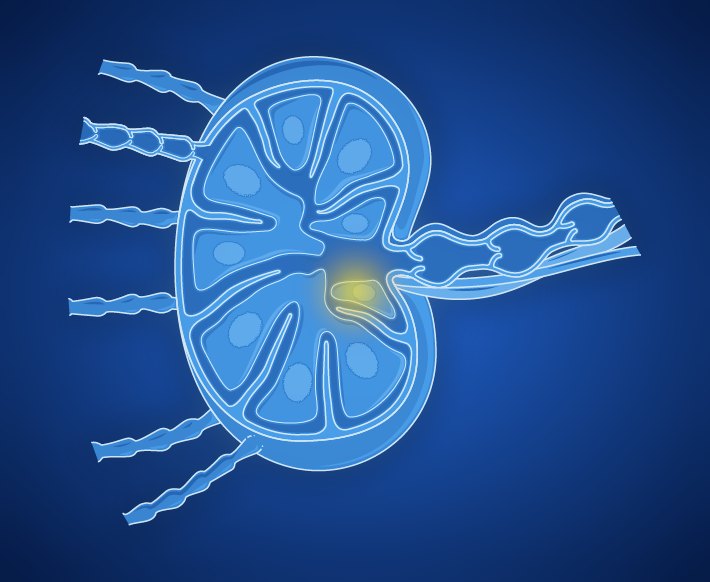

Blood cancers are a diverse group of diseases involving bone marrow, blood, lymph nodes and plasma cells. Unlike most solid cancers, surgery is rarely the main treatment. Diagnosis and treatment depend on precise hematopathology, flow cytometry, cytogenetic and molecular abnormalities, disease burden, patient age/fitness and response measured during therapy.
The term blood cancer includes acute and chronic leukemias, Hodgkin and non-Hodgkin lymphomas, multiple myeloma and several less common hematologic malignancies. Their treatment can range from observation or oral targeted medicines to intensive chemotherapy, immunotherapy, CAR-T-cell therapy and autologous or allogeneic hematopoietic stem-cell transplantation.
International patients considering India should obtain a disease-specific hematology opinion before travel. A meaningful review often requires bone-marrow reports, flow cytometry, cytogenetics/FISH, molecular results, lymph-node pathology with immunohistochemistry, PET-CT for appropriate lymphomas, treatment history, transfusion requirements, infection history and organ-function tests. A generic quotation for 'blood cancer treatment' is not clinically useful.
A blood cancer diagnosis often arrives suddenly, and some types need treatment within days. This guide is written to help you understand the questions that matter, ask for a disease-specific plan and judge honestly whether travelling for treatment is safe and sensible for you. It does not promise outcomes; every disease and every patient is different.
Short Answer: Is India a Good Option for Blood Cancer Treatment?
For some patients, it can be. Major Indian centres offer advanced hematopathology, intensive leukemia care, autologous and allogeneic transplantation, targeted therapy and growing cellular-therapy programmes, usually at a much lower private price than the USA, UK and Australia. But the first question is clinical: what is your exact diagnosis, subtype and genetic risk, and how urgent is treatment? Some conditions, such as suspected acute promyelocytic leukemia or neutropenic sepsis, need immediate local treatment, and transfer abroad should follow stabilization and doctor-to-doctor planning. Acute leukemia and transplant journeys often take months, not weeks. A generic quotation is not useful. Start with a remote review of your pathology and genetics, and agree a shared-care plan with your home team.
Quick Facts - Leukemia, Lymphoma and Blood Cancer Treatments for International Patients in India
| Topic | International-Patient Planning Point |
|---|---|
| Main disease groups | Acute/chronic leukemia, Hodgkin/NHL lymphoma, multiple myeloma and related disorders |
| Core diagnosis | Morphology + flow cytometry + cytogenetic/FISH + molecular testing as appropriate |
| Treatment | Chemotherapy, targeted drugs, antibodies/immunotherapy, cellular therapy and transplantation |
| MRD | Measurable residual disease can guide prognosis and treatment in several leukemias |
| Transplant | Autologous or allogeneic transplant is disease- and risk-specific; not every patient needs one |
| CAR-T | Used for selected relapsed/refractory B-cell malignancies and myeloma depending on product/eligibility |
| Supportive care | Blood products, antimicrobial prophylaxis, infection management and nutrition are integral |
| India stay | Ranges from weeks to months depending on induction, transplant or cellular therapy |
| India planning cost | Highly variable: standard chemotherapy may cost thousands of US$; transplant/CAR-T substantially more |
| Critical travel issue | Do not travel with uncontrolled sepsis, severe cytopenic instability or other acute emergencies |
| Records to send | CBC trends, marrow, flow, cytogenetics/FISH, molecular and node pathology, imaging and complete treatment history |
| Major Indian hubs | Delhi NCR, Mumbai, Chennai, Bengaluru, Hyderabad, Kolkata and other tertiary hemato-oncology and transplant centres |
| Companion | Essential throughout; a trained caregiver is needed for infection precautions, line care and emergencies |
Key principle: The name of the blood cancer is only the starting point. Modern treatment is increasingly determined by subtype, genetic/molecular risk and depth of response, so pathology review can be as important as choosing the hospital.
Why India, and How Blood Cancers Are Diagnosed
Why Do International Patients Choose India for Blood Cancer Treatment?
Patients travel for blood cancer care for practical reasons, and the strongest ones are about reaching an experienced disease-specific team and a transplant programme at a price that does not force a compromise on the plan:
- Lower cost. Private Indian hospitals often quote much less than self-pay prices in the USA, UK, Australia and other high-cost markets, although complications can narrow the gap if they are not budgeted for.
- Experienced hemato-oncology programmes. Major centres treat leukemia, lymphoma and myeloma and run autologous and allogeneic transplant programmes.
- Comprehensive backup. Hematopathology, flow cytometry, molecular laboratories, blood bank, infectious disease, ICU and isolation units are often in the same hospital.
- Cellular therapy. CAR-T availability is centre- and product-specific, so confirm for your disease.
- Expert diagnostic review. Reviewing slides and genetics can sharpen the diagnosis and the risk group before a regimen is chosen.
- Timely access. Patients facing long waits or limited local options can often be assessed promptly once the records are reviewed, though urgent disease must be treated first where the patient lives.
- International patient support and English-speaking teams. Major hospitals typically help with appointments, hospital letters for visas, airport pick-up and accommodation guidance.
- A plan you can review first. A remote review can state the diagnosis, risk and proposed plan before you commit to travel, and may show that treatment close to home is the better choice.
Emergencies Are Different
Suspected acute promyelocytic leukemia, fever during neutropenia, severe bleeding, tumour lysis, symptomatic hyperleukocytosis, unstable anemia or breathing difficulty needs immediate local treatment. Do not delay emergency treatment to arrange international travel.
Patient Tip
Low cost should be the beginning of your evaluation, not the end of it. The sections that follow explain how to judge whether the proposed plan is appropriate, how to assess the team and how to budget for complications, so that savings do not come at the expense of safety.
How Does India Compare with Other Medical Travel Destinations?
Many patients also look at hematology and transplant programmes abroad before deciding. There is no single best country for every patient; the right choice depends on where you live, your disease and what you can verify about the team and hospital. These are the factors worth comparing:
| Factor | What to compare | How India generally fares |
|---|---|---|
| Cost | The full itemized pathway: drugs, inpatient days, blood products, monitoring, transplant or cellular therapy and exclusions | Often much lower than self-pay pricing in Western countries; complication-dependent costs vary widely |
| Team and programme experience | Disease-specific volume, transplant numbers, early mortality, infection and GVHD outcomes | Major Indian centres have experienced programmes; always verify disease and transplant volume |
| Laboratory and pathology | Flow cytometry, cytogenetics, molecular testing and MRD methods | Available at large centres; confirm the assays your disease needs |
| Infection and ICU support | Isolation rooms, infectious-disease cover and ICU access | Often in one hospital; confirm for your case |
| Language | Whether doctors and nurses communicate easily with you | English is widely used by medical teams in major Indian hospitals |
| Distance and flight time | Length of the flight and the weeks to months you may need to stay | Depends on where you live: relatively close for patients from South Asia, the Middle East and East Africa, and a long-haul journey from the Americas and parts of Europe |
| Visa | Visa type, processing time and attendant rules | India has a dedicated medical visa system with an attendant category; always confirm current rules for your nationality |
| Follow-up and shared care | Who will monitor counts, give treatment and respond to emergencies at home | Depends on the team; ask for a defined shared-care plan before you commit |
A Fair Way to Compare Destinations
- Ask every destination for the same itemized written plan (diagnosis, protocol, inpatient days, blood products, monitoring and exclusions).
- Compare the clinical plan first and the price second.
- Compare the total trip cost - treatment, a contingency for infection or ICU care, flights, accommodation for weeks or months, caregiver and local transport.
- Judge the disease-specific team, laboratory and hospital, not just the country or a single product.
- Compare the follow-up plan: who will give treatment, monitor counts and respond to emergencies at home?
Why Blood Cancers Are Different for International Patients in India
Hematologic cancers often circulate or involve marrow and lymphatic tissue, so removing one mass does not usually eradicate disease. Systemic therapy is therefore central. Surgery is mainly used for diagnostic biopsy or selected complications.
Complete Blood Count and Peripheral Smear
CBC abnormalities such as anemia, thrombocytopenia, leukocytosis or leukopenia can suggest marrow disease. Peripheral-smear morphology may show blasts or abnormal lymphocytes. CBC alone cannot establish the final diagnosis.
Bone-Marrow Aspiration and Biopsy
Marrow examination defines morphology, cellularity and infiltration and provides material for flow cytometry, cytogenetics and molecular testing. It is fundamental in most leukemias and myeloma. Repeat marrow testing may be required to assess response or MRD.
Flow Cytometry
Flow cytometry identifies abnormal cell populations using antigen expression and is essential for classifying acute leukemias and many lymphoid malignancies. Results must be interpreted with morphology and genetics.
Cytogenetics and FISH
Chromosome analysis and FISH identify translocations, deletions and other abnormalities that can define disease and prognosis or select targeted treatment. Examples include BCR::ABL1 and multiple myeloma risk abnormalities.
Molecular Testing
PCR and next-generation sequencing detect mutations/fusions with diagnostic, prognostic and therapeutic implications. The relevant panel differs by disease. Broad testing is most useful when results can change management.
Measurable Residual Disease
MRD detects leukemia cells below routine microscopic levels using flow or molecular methods. In several acute leukemias, MRD after treatment strongly informs relapse risk and transplant decisions. The correct assay and time point depend on disease.
Diagnostic Tests at a Glance
| Test | What it shows | Why it matters |
|---|---|---|
| CBC and smear | Blood counts and cell appearance | Suggests marrow disease but cannot give the final diagnosis |
| Bone-marrow aspiration and biopsy | Marrow cells and architecture | Defines many leukemias, myeloma and marrow involvement |
| Flow cytometry | Cell antigen pattern | Identifies the cell type and subtype |
| Cytogenetics and FISH | Chromosome abnormalities | Defines risk and sometimes targeted treatment |
| Molecular testing | Gene mutations and fusions | Guides targeted therapy and transplant strategy |
| MRD testing | Very small numbers of residual cancer cells | Guides prognosis and treatment in several leukemias |
Making the Remote Review Count
- Send CBC trends, marrow morphology, flow cytometry, cytogenetics/FISH and molecular reports
- Send lymph-node pathology and PET-CT where relevant, and be ready to supply original slides or blocks for expert review
- Include previous chemotherapy with exact dates and doses, response assessments and transfusion history
- Include infection history, organ-function tests and any HLA typing already performed
- Ask the team how urgent treatment is and what must happen before you travel
Send your blood counts and trends, bone-marrow morphology, flow cytometry, cytogenetics/FISH and molecular reports, lymph-node pathology, PET-CT where relevant, previous chemotherapy with exact dates and doses, response assessments, transfusion history, infection history and organ-function tests, plus any HLA typing already done. You will receive a preliminary opinion covering the exact diagnosis and risk group, how urgent treatment is, the likely first-line plan, whether transplant or cellular therapy is relevant, the stay in India, an itemized cost estimate separating base and complication-dependent costs, and a shared-care plan, so you can decide with a clear picture in hand.
Leukemias, Lymphomas and Myeloma for International Patients in India
Acute Myeloid Leukemia
AML is an aggressive myeloid malignancy requiring rapid subtype/risk assessment. Fit patients may receive intensive induction and consolidation, while less-fit patients often receive lower-intensity combinations with targeted agents when appropriate. Genetics and MRD influence allogeneic-transplant strategy.
APL - Acute Promyelocytic Leukemia
APL is a distinct emergency associated with severe bleeding/coagulopathy but is highly curable with differentiation therapy when recognized promptly. Treatment should begin urgently when strongly suspected. International travel should never delay emergency APL treatment.
Acute Lymphoblastic Leukemia for International Patients in India for Leukemia, Lymphoma and Blood Cancer
ALL requires multi-phase systemic treatment with CNS-directed therapy. B-ALL and T-ALL differ biologically, and BCR::ABL1-positive disease requires tyrosine-kinase inhibition. MRD is central to modern risk assessment.
Pediatric ALL
Childhood ALL has high cure rates with risk-adapted protocols. Treatment spans many months and includes induction, consolidation/intensification and maintenance. International families need a realistic long-term shared-care plan.
Chronic Myeloid Leukemia
CML is driven by BCR::ABL1 and is usually controlled with oral tyrosine-kinase inhibitors. Molecular monitoring by quantitative PCR guides response and drug changes. Transplant is now reserved mainly for selected resistant/advanced cases.
Chronic Lymphocytic Leukemia
CLL can remain asymptomatic for years and does not require treatment solely because abnormal lymphocytes are present. Therapy begins for defined disease activity/symptoms. Modern targeted oral and antibody therapies have replaced chemotherapy in many settings.
Myelodysplastic Syndromes
MDS comprises clonal marrow disorders causing cytopenias and variable AML progression risk. Molecular/cytogenetic risk and patient fitness determine observation, supportive therapy, disease-modifying drugs or allogeneic transplant. Transplant is the main potentially curative option for suitable higher-risk patients.
Myeloproliferative Neoplasms
Polycythemia vera, essential thrombocythemia and myelofibrosis require disease-specific risk management. Myelofibrosis can require JAK inhibition or allogeneic transplant in selected higher-risk patients. Thrombosis, bleeding and transformation risks must be assessed.
Hodgkin Lymphoma
Hodgkin lymphoma is commonly highly curable. PET-adapted chemotherapy with selective radiotherapy is used according to stage and risk. Interim PET response can influence treatment intensity.
Diffuse Large B-Cell Lymphoma
DLBCL is an aggressive but often curable lymphoma treated with antibody-based combination chemotherapy. Pathology must distinguish biologic subgroups and high-risk molecular features. Relapsed disease may be treated with salvage/transplant, bispecific antibodies or CAR-T depending on context.
Follicular Lymphoma for International Patients in India
Follicular lymphoma is often indolent. Asymptomatic low-burden disease can be observed, while symptomatic/high-burden disease is treated with anti-CD20-based systemic therapy. Transformation to aggressive lymphoma changes treatment.
Mantle Cell Lymphoma
Mantle cell lymphoma has heterogeneous behaviour. Treatment may include targeted drugs, antibody/chemotherapy combinations and selected autologous transplant depending on age and risk. Modern strategies increasingly incorporate BTK inhibitors.
Burkitt Lymphoma
Burkitt lymphoma grows extremely rapidly and requires urgent intensive systemic therapy with CNS prophylaxis/treatment. Tumour-lysis risk is substantial. Travel should not delay therapy once diagnosis is established.
T-Cell Lymphomas
Peripheral and cutaneous T-cell lymphomas comprise diverse diseases requiring expert pathology. Treatment and transplant strategies vary significantly by subtype. Second pathology review is often valuable.
Multiple Myeloma
Myeloma is a plasma-cell malignancy associated with monoclonal protein, marrow involvement and organ damage such as bone lesions, renal dysfunction, anemia or hypercalcemia. Modern induction uses combinations of proteasome inhibitors, immunomodulatory drugs, steroids and antibodies. Autologous transplant remains important for many eligible patients.
Smoldering Myeloma
Smoldering myeloma has higher disease burden than MGUS but no myeloma-defining event. Many patients are observed, while high-risk cases may enter treatment strategies depending on current evidence/guidelines. It should not automatically be treated like symptomatic myeloma.
MGUS
Monoclonal gammopathy of undetermined significance is not cancer requiring chemotherapy. It carries a long-term progression risk and is monitored according to risk. Avoid unnecessary treatment.
Blood Cancer Groups at a Glance
| Group | Examples | Treatment direction |
|---|---|---|
| Acute leukemia | AML, APL, ALL, pediatric ALL | Urgent diagnosis; intensive induction in fit patients or lower-intensity targeted combinations; transplant by risk |
| Chronic leukemia | CML, CLL | Often oral targeted therapy or observation |
| Myeloid disorders | MDS, myeloproliferative neoplasms | Risk-based observation, medicines or transplant |
| Lymphoma | Hodgkin, DLBCL, follicular, mantle cell, Burkitt, T-cell | Subtype-specific chemoimmunotherapy, targeted drugs and sometimes radiation, transplant or CAR-T |
| Plasma-cell disorders | Myeloma, smoldering myeloma, MGUS | Observation, induction, transplant and maintenance depending on stage and risk |
Staging, Biopsy and CNS Assessment
PET-CT in Lymphoma for International Patients in India
FDG PET-CT is central to staging and response assessment in many FDG-avid lymphomas, particularly Hodgkin lymphoma and DLBCL. Interpretation uses standardized response criteria. PET is not equally useful for every blood cancer.
Lymph-Node Biopsy
Excisional or adequate core biopsy preserves architecture needed to classify lymphoma. Fine-needle aspiration alone is often insufficient for a new lymphoma diagnosis. Tissue should undergo expert hematopathology and immunohistochemistry.
Lumbar Puncture and CNS Assessment
Selected acute leukemias and aggressive lymphomas require cerebrospinal-fluid evaluation and/or intrathecal therapy because of CNS relapse risk. Indications depend on disease subtype and risk.
Treatments: Chemotherapy, Targeted Drugs, Antibodies and CAR-T
Induction Chemotherapy
Induction aims to achieve remission in acute leukemia. It can produce prolonged severe neutropenia and thrombocytopenia, requiring inpatient or closely supervised supportive care. Early mortality risk depends on disease, infection and patient fitness.
Consolidation and Maintenance
After remission, additional treatment reduces relapse risk. This may include consolidation chemotherapy, maintenance therapy, targeted drugs or transplant depending on disease. Stopping after initial remission can be inadequate.
Targeted Therapy
Molecularly targeted medicines can inhibit specific oncogenic pathways, such as BCR::ABL1 in CML/ALL or selected AML mutations. They may be oral or intravenous and require interaction/toxicity monitoring. Targeted does not mean toxicity-free.
Monoclonal Antibodies
Antibodies such as anti-CD20 agents are foundational in many B-cell malignancies. Antibody-drug conjugates and other engineered antibodies extend this approach. Infusion reactions and infection risks vary by agent.
Bispecific Antibodies
Bispecific antibodies redirect immune cells toward malignant cells and are used in selected relapsed/refractory myeloma and lymphomas. Cytokine-release syndrome and infections require specialist monitoring. Step-up dosing may require observation/hospitalization.
CAR-T-Cell Therapy for International Patients in India for Leukemia, Lymphoma and Blood Cancer
CAR-T therapy collects a patient's T cells, engineers them to recognize a tumour antigen, expands them and reinfuses them after lymphodepleting chemotherapy. It is used for selected relapsed/refractory B-cell malignancies and myeloma. Manufacturing time, bridging therapy, CRS and neurotoxicity planning are major logistical issues.
Cytokine-Release Syndrome
CRS after cellular or bispecific therapy can cause fever, hypotension and organ dysfunction. It is graded and treated according to severity, often with targeted anti-cytokine therapy and supportive care. Patients need rapid access to an experienced team.
ICANS / Neurotoxicity
Immune effector cell-associated neurotoxicity can cause confusion, language difficulty, seizures or reduced consciousness after CAR-T and related therapies. Neurologic monitoring is integral to cellular-therapy programmes.
Treatment Types at a Glance
| Treatment | Mainly used for | Points to ask |
|---|---|---|
| Induction and consolidation chemotherapy | Acute leukemias and aggressive lymphomas | Inpatient days, infection risk and blood-product needs |
| Targeted therapy | Diseases with identified molecular targets | Which drug, generic or brand, and how long? |
| Monoclonal antibodies | Many lymphomas, CLL and myeloma | Infusion schedule and monitoring |
| Bispecific antibodies | Selected relapsed lymphoma and myeloma | Availability, cytokine-release monitoring and who gives it at home |
| CAR-T-cell therapy | Selected relapsed or refractory B-cell cancers and myeloma | Product, eligibility, toxicity management and how long to stay near the centre |
Stem-Cell Transplantation
Autologous Stem-Cell Transplant
Autologous transplant uses the patient's collected stem cells after high-dose chemotherapy. It is common in eligible myeloma and selected relapsed lymphomas. Its purpose is dose intensification, not replacement of a diseased immune system with a donor system.
Allogeneic Stem-Cell Transplant
Allogeneic transplant uses donor stem cells and adds a graft-versus-leukemia effect. It can cure selected high-risk leukemias/MDS and other diseases but carries graft-versus-host disease, infection and treatment-related mortality risks. Disease risk and donor strategy must be individualized.
Donor Selection
Potential donors include matched siblings, matched unrelated donors, haploidentical relatives and cord blood in selected programmes. HLA matching, donor age, antibodies, urgency and centre expertise affect selection. A half-matched family donor can be an excellent modern option in appropriate settings.
Conditioning Regimens
Chemotherapy with or without radiation prepares the marrow/immune system before transplant. Myeloablative and reduced-intensity approaches differ in toxicity and relapse risk. Fitness and disease biology determine intensity.
Graft-Versus-Host Disease
GVHD occurs when donor immune cells attack recipient tissues, commonly skin, gut and liver. Prevention uses immunosuppressive strategies; acute and chronic GVHD can require prolonged treatment. It is unique to allogeneic transplantation.
Transplant Types at a Glance
| Type | What it involves | Points to ask |
|---|---|---|
| Autologous transplant | High-dose therapy followed by return of your own collected stem cells | Used for selected lymphomas and myeloma; ask about stay and collection |
| Allogeneic transplant | Replacement with donor stem cells, providing a graft-versus-cancer effect | Needs donor selection and GVHD planning; often the longest stay |
| Haploidentical transplant | Half-matched family donor | Widely used in suitable patients; ask about experience |
| Conditioning regimen | Treatment given before transplant | Intensity is individualized to disease and fitness |
Infection, Transfusion and Supportive Care for International Patients in India for Leukemia, Lymphoma and Blood Cancer
Infection Risk
Neutropenia and immune suppression create risks from bacterial, fungal and viral infections. Protective measures, prophylactic medicines and rapid fever assessment are fundamental. Fever during neutropenia is a medical emergency.
Blood and Platelet Transfusions for International Patients in India
Many patients require red-cell and platelet support during intensive therapy. Products may need leukoreduction, irradiation or other specifications depending on treatment. Transfusion availability should be included in planning.
Tumour Lysis Syndrome
Rapid cancer-cell breakdown can cause high uric acid, potassium/phosphate abnormalities, kidney injury and arrhythmias. High-risk leukemia/lymphoma patients need prophylaxis and laboratory monitoring. It can occur before or soon after therapy.
Fertility Preservation
Chemotherapy, radiation and transplant conditioning can impair fertility. Sperm, egg/embryo or other preservation strategies should be discussed before treatment when medically feasible. Urgent leukemia therapy sometimes limits available time.
Vaccination After Transplant
Protective immunity is lost after transplantation and patients generally require a structured revaccination programme after immune recovery. Live vaccines are delayed and selectively used. The transplant centre should provide a written schedule.
Possible Problems and What to Ask
| Problem | What may happen | What to ask or do |
|---|---|---|
| Neutropenic infection | Fever with very low white cells can be life-threatening | Know the fever rule and where to go at any hour |
| Bleeding or low platelets | Bruising, nosebleeds or internal bleeding | Ask about transfusion thresholds and a local transfusion plan |
| Tumour lysis syndrome | Rapid cell breakdown affecting kidneys and salts | Ask how it is prevented and monitored |
| Graft-versus-host disease | Immune attack by donor cells after allogeneic transplant | Ask who will manage it at home and what to watch for |
| CAR-T toxicity | Cytokine-release syndrome and neurological effects | Ask how long you must stay near the centre |
| Blood clots | DVT or PE with illness, lines and long flights | Ask for individualized prevention and fit-to-fly advice |
Relapsed Disease and Palliative Care
Relapsed Acute Leukemia
Relapse requires repeat molecular/risk assessment. Salvage therapy may use chemotherapy, targeted drugs, immunotherapy and allogeneic transplant depending on disease and prior treatment. Achieving deep remission before transplant often improves outcomes.
Relapsed Lymphoma
Treatment depends on histology, timing and previous therapy. Options can include salvage chemotherapy, autologous transplant, CAR-T, bispecific antibodies and targeted agents. A new biopsy may be important when transformation is possible.
Relapsed Myeloma
Myeloma commonly requires multiple treatment lines. Choice depends on prior drug classes, duration of response, cytogenetics, organ function and access to antibodies/CAR-T/bispecifics. Drug-class exposure is more informative than simply counting lines.
Palliative and Supportive Care for International Patients in India for Leukemia, Lymphoma and Blood Cancer
Symptom control, transfusion support, infection treatment, pain relief and psychosocial care should accompany disease-directed treatment when needed. Palliative care can be integrated alongside active oncology. It is not limited to end-of-life care.
Preparing for Treatment and What to Expect
Preparing Yourself Before Blood Cancer Treatment (Prehab)
Preparation helps recovery. Always agree what is appropriate with your hematology team, and never let preparation delay urgent treatment:
- Discussing fertility preservation before treatment starts, where relevant and where time allows
- A dental check, if time allows, to treat infections before counts fall
- Reviewing vaccination status with your doctors, since some vaccines are not suitable during treatment
- Learning the fever rule and infection precautions, and teaching them to your caregiver
- Gentle activity and nutrition as advised by your team, with food-safety guidance
- A medicine review, including supplements and herbal products, which can interfere with treatment
- Understanding central-line care if a line is planned
- Practical, financial and emotional support arranged for you and your caregiver, with a plan for time away from work
Preparation should never delay urgent treatment. For acute leukemia, treatment may need to start within days.
Around Blood Cancer Treatment: What to Expect
| Stage | What usually happens |
|---|---|
| Before treatment | Review of pathology and genetics, risk classification, stabilization of infection and counts, fertility discussion, and consent covering the protocol, transfusions, line placement and possible ICU care |
| Induction or first-line therapy | Chemotherapy, targeted drugs or immunotherapy, often with inpatient days for acute leukemia and outpatient cycles for many lymphomas |
| Response assessment | Blood tests, marrow, MRD and imaging to judge response and decide the next step |
| Consolidation, transplant or cellular therapy | Used when disease and risk justify it, with weeks to months near the centre |
| After you return home | Shared care with your home team, monitoring of counts, MRD or imaging, immunosuppression and vaccination plans where relevant, and agreed emergency thresholds |
Choosing Your Hematologist, Centre and City
Choosing a Hematologist in India
Select a hematologist/hemato-oncologist with disease-specific experience. For transplant or CAR-T, ask about annual programme volume, accreditation/quality systems, infection outcomes, ICU support and product-specific experience. A strong laboratory and supportive-care system is as important as the consultant.
Choosing a Blood Cancer Centre
The centre should have 24/7 hematology support, hematopathology, flow cytometry, cytogenetics/molecular diagnostics, blood bank, infectious-disease expertise, ICU and transplant/cellular-therapy infrastructure where required. Isolation and infection-control protocols matter for prolonged neutropenia.
Major Blood Cancer Treatment Hubs in India
Delhi NCR, Mumbai, Chennai, Bengaluru, Hyderabad, Kolkata and other tertiary centres provide advanced hemato-oncology and transplantation; CAR-T availability is centre- and product-specific. Choose the programme based on disease and required therapy rather than city alone.
Warning Signs of an Unreliable Offer
Medical travel works best when the information you receive is specific, itemized and clinically sensible. Be cautious if you see any of the following:
Red Flags
- A treatment recommendation or fixed price without review of your pathology, flow and genetic results
- A generic quotation for 'blood cancer treatment' with no exact diagnosis
- A transplant or CAR-T offered for any blood cancer without a disease-specific reason
- Promises of a 'cure' or 'guaranteed' remission, or no mention of relapse risk or complications
- Advice to travel during neutropenic fever, suspected APL, severe bleeding or other emergencies
- No transplant volume, early mortality, infection or GVHD figures offered
- No blood bank, infectious-disease, ICU, molecular laboratory or isolation facilities
- Pressure to decide or pay quickly, or a base price that does not separate complication-dependent costs
- No shared-care plan with your home team, or no plan for emergencies after you return
What a Good International Patient Service Should Provide
A well-run programme should make the journey easier at every stage:
- A named coordinator and a direct line to the clinical team before you travel
- Review of your actual pathology and genetics by the treating team, and a written preliminary opinion covering the diagnosis, risk group, urgency and proposed plan
- Honest discussion of alternatives, including treatment closer to home, and whether travel is safe or necessary at all
- An itemized written estimate that separates base cost from complication-dependent costs such as infection, ICU, GVHD and readmission
- A hospital letter for your medical visa application, and guidance for attendant visas
- Airport pick-up, assistance on arrival and safe, clean accommodation near the hospital for weeks or months
- Interpreter support where needed
- A treatment summary with pathology, genetics, MRD results, transfusion specifications, prophylaxis, line-care instructions and a monitoring schedule
- A defined shared-care pathway after you return home, including teleconsultations with the treating team and agreed thresholds for urgent re-referral
Cost, Packages and Quotations for International Patients in India for Leukemia, Lymphoma and Blood Cancer
Indicative Blood Cancer Treatment Costs in India
| Treatment / Service | Broad International-Patient Planning Range |
|---|---|
| Diagnostic marrow + flow/cytogenetic/molecular work-up | Approx. US$800-3,000+ |
| Acute leukemia induction episode | Approx. US$8,000-20,000+; complications can raise cost |
| Lymphoma chemotherapy course | Approx. US$3,000-15,000+ depending regimen/drugs |
| Myeloma induction course | Approx. US$5,000-20,000+ depending agents/duration |
| Autologous stem-cell transplant | Approx. US$15,000-30,000+ |
| Allogeneic matched/haploidentical transplant | Approx. US$25,000-50,000+ |
| CAR-T-cell therapy | Approx. US$35,000-80,000+ depending product/centre |
| PET-CT / molecular monitoring | Separate; frequency disease-specific |
| Targeted / bispecific / antibody drugs | Can add several thousand US$ per dose/cycle; agent dependent |
These are broad private international-patient planning estimates, not guaranteed tariffs. Infection, ICU admission, transfusion burden, prolonged neutropenia, graft-versus-host disease, imported medicines, donor work-up and readmission can substantially increase total cost.
What a Blood Cancer Treatment Package Should Include for International Patients in India
Ask for the exact diagnosis/protocol, expected inpatient and outpatient days, chemotherapy/targeted drugs by generic name, laboratory and molecular monitoring, blood products, central line, antimicrobial prophylaxis, imaging, marrow assessments and physician fees. For transplant, clarify donor typing/work-up, stem-cell collection, conditioning, graft processing, isolation-room days and early post-transplant follow-up.
Factors That Increase Total Cost
Sepsis, fungal infection, ICU care, prolonged marrow aplasia, frequent transfusions, expensive targeted drugs, refractory disease, donor complications, GVHD, CAR-T toxicity, repeat admissions and prolonged accommodation can make final cost substantially higher than the initial package.
Blood Cancer Treatment Cost - India vs USA, UK and Australia
| Representative Treatment | India | USA | UK Private | Australia Private | Approx. India Saving* |
|---|---|---|---|---|---|
| Acute leukemia intensive treatment episode | $8k-20k+ | $60k-200k+ | $35k-90k+ | $40k-100k+ | Approx. 40-96% |
| Autologous stem-cell transplant | $15k-30k+ | $100k-250k+ | $60k-120k+ | $70k-140k+ | Approx. 50-94% |
| Allogeneic transplant | $25k-50k+ | $200k-500k+ | $100k-200k+ | $120k-250k+ | Approx. 50-95% |
| CAR-T therapy | $35k-80k+ | $350k-600k+ | $250k-400k+ | $250k-450k+ | Approx. 68-94% |
*Broad private/self-pay planning comparisons only. CAR-T products, patented medicines and complication costs vary enormously. Publicly funded programmes abroad are not directly comparable with private international-patient treatment.
Budgeting for the Whole Pathway, Not Just the Treatment
The treatment itself is only one part of the budget. Ask for the quotation, then add:
- A contingency for infection, ICU care, prolonged neutropenia, GVHD or readmission, which can substantially raise the final bill
- Blood and platelet products, monitoring tests, MRD and molecular assays and imaging, which may be separate
- Donor work-up and stem-cell collection if transplant is planned
- Return flights for you and your caregiver, with flexibility to change dates as the plan changes
- Accommodation near the hospital for weeks or months, with clean, safe conditions and easy transport back to the centre
- Meals, local transport and airport transfers
- Visa fees, emergency medical insurance and any attendant visa costs
- Ongoing drugs, monitoring and follow-up at home
Blood Cancer Treatment Quotation Comparison Table
| Item | Centre A | Centre B |
|---|---|---|
| Exact diagnosis / risk | ||
| Pathology/molecular review | ||
| Treatment protocol | ||
| Drug brands/generics | ||
| Inpatient days | ||
| Blood products | ||
| MRD / molecular monitoring | ||
| Transplant / donor work-up | ||
| CAR-T / cellular therapy | ||
| ICU / infection exclusions | ||
| Accommodation duration | ||
| Post-treatment monitoring | ||
| Expected India stay | ||
| Total pathway estimate |
Your Journey: Records, Travel, Visa and Going Home for International Patients in India for Leukemia, Lymphoma and Blood Cancer
Remote Case Review Before Travel
Send CBC trends, marrow morphology, flow cytometry, cytogenetics/FISH, molecular reports, lymph-node pathology, PET-CT where relevant, previous chemotherapy with exact dates/doses, response assessments, transfusion history, infections and organ-function tests. For transplant, include HLA typing already performed. Original pathology material may be requested for expert review.
Records Checklist
- CBC trends and peripheral smear
- Marrow morphology, flow cytometry, cytogenetics/FISH and molecular reports
- Lymph-node pathology and PET-CT where relevant
- Original slides or blocks if review is requested
- Previous chemotherapy with exact dates and doses, and response assessments
- Transfusion history, infections and organ-function tests
- HLA typing, if already done
- Medicine list, allergies, vaccination record and passport copy
Questions the Pre-Travel Opinion Should Answer
What exact WHO/ICC-type diagnosis and risk group do I have? What additional molecular tests are required? Is treatment urgent? What is the induction/first-line plan? How will MRD/response be measured? Do I need transplant, CAR-T or neither? What donor options exist? The plan should separate expected base cost from complication-dependent costs.
International Patient Treatment Journey
1) Remote diagnostic review. 2) confirm subtype/risk. 3) stabilize infection/cytopenias. 4) travel when medically safe. 5) induction/first-line therapy. 6) response/MRD assessment. 7) consolidation, transplant or cellular therapy if indicated. 8) early recovery. 9) shared-care plan. 10) long-term surveillance. Acute leukemia and transplant journeys often require months rather than a short surgical trip.
How Long to Stay in India
A lymphoma patient receiving a defined outpatient regimen may travel between cycles if clinically safe, while acute leukemia induction can require several inpatient weeks. Autologous transplant commonly needs several weeks around transplant; allogeneic transplant often requires roughly 2-4 months near the centre or longer depending on recovery. Exact duration is centre- and disease-specific.
Flying During or After Intensive Therapy
Long-haul travel should be avoided during uncontrolled infection, severe thrombocytopenia, unstable anemia, active bleeding or profound neutropenia without a clear plan. After transplant, travel timing depends on engraftment, infection risk, GVHD and access to specialist care. Fit-to-fly decisions must be individualized.
Accommodation and Infection Control for International Patients in India for Leukemia, Lymphoma and Blood Cancer
Patients remaining near the hospital after transplant need clean accommodation, safe food/water practices and rapid transport back to the centre. Extreme isolation is not a substitute for evidence-based infection precautions. Caregiver education is essential.
Airline and Travel Practicalities During and After Treatment
Airline rules differ, so confirm each point with your airline before you fly:
| Topic | What to arrange |
|---|---|
| Fit-to-fly letter | Ask your hematologist for written clearance stating the diagnosis, treatment and counts, and carry it in hand luggage; some airlines require a medical form |
| Blood counts and transfusions | Travel only when counts and transfusion needs are stable, and arrange transfusion access at your destination |
| Infection precautions | Ask about masks, hand hygiene, food and drink in transit, and avoiding crowded or delayed itineraries during low counts |
| Central line | Carry line-care supplies and instructions, and know who to contact for problems |
| Blood clots | Cancer, lines and immobility raise clot risk; ask about stockings or blood-thinning injections, and walk and hydrate regularly in flight |
| Medicines and immunosuppressants | Keep all medicines in hand luggage in original packaging with a prescription list using generic names, and carry a letter for needles or syringes if needed |
| Temperature checks | Carry a thermometer and know the fever rule before, during and after the flight |
| Seat choice and assistance | An aisle seat helps movement and toilet access; request airport assistance if you tire easily |
| Records | Carry a treatment summary, genetics, transfusion specifications and contact details for both teams in case of a problem on the journey |
| Flexible tickets and insurance | Book a flexible return and check that emergency medical insurance covers complications of cancer treatment |
Accommodation and Companion
A trained caregiver is essential throughout blood cancer treatment, for infection precautions, medicines, temperature checks, line care, transport in an emergency and decisions over weeks or months. Accommodation should be clean, close to the hospital and arranged for the whole expected stay.
Medical Visa and Travel Planning
Confirm current Indian medical-visa requirements through official channels, including the attendant visa for your caregiver. Carry the hospital invitation, a medical summary, your pathology and genetic reports and your medicines, and keep the visa duration and return travel flexible because blood cancer treatment plans can change.
Continuing Treatment at Home
Carry a complete protocol summary, pathology/genetics, MRD results, chemotherapy doses, transfusion requirements, antimicrobial prophylaxis and line-care instructions. Confirm whether required drugs and laboratory assays are available locally. For allogeneic transplant, home clinicians need the GVHD and immunosuppression plan.
Post-Return Follow-Up
Monitoring can include CBC, marrow/MRD, molecular PCR, PET-CT, monoclonal-protein studies, chimerism, immunosuppressant levels and organ-function tests depending on disease/treatment. The Indian and home teams should agree on thresholds for urgent re-referral.
Arranging Your Follow-Up Care at Home Before You Leave
Treatment and monitoring often continue for months or years, so set up your home team before you travel and confirm it again before you fly home:
| Who | Role |
|---|---|
| Local hematologist or medical oncologist | Gives or continues therapy, monitors counts and coordinates with the Indian team |
| Emergency department with a named contact | Knows your diagnosis and can start fever and bleeding pathways quickly, using your treatment summary |
| Laboratory and blood bank | Carries out counts, MRD or molecular tests and provides irradiated or specified blood products where required |
| Infectious-disease specialist | Guides prophylaxis, vaccination and infection management |
| Transplant or GVHD clinic | Manages immunosuppression and GVHD after allogeneic transplant |
| Dietitian, physiotherapist and psychologist | Support nutrition, strength, fatigue and mood |
| Fertility and vaccination services | Advise on fertility preservation and revaccination after transplant |
| General practitioner | Coordinates care, general health, medicines and referrals |
| Overseas treating team | Teleconsultations, review of results and advice on the plan |
Hand-over Checklist
- Written fit-to-fly clearance
- Complete treatment summary and protocol
- Pathology, genetics and MRD or response results
- Transfusion specifications
- Antimicrobial prophylaxis plan
- Central-line care instructions
- GVHD and immunosuppression plan, if applicable
- Vaccination plan
- Monitoring schedule and next appointments
- Emergency thresholds and contact details for both teams
Warning Signs
Urgent assessment is required for fever during neutropenia, uncontrolled bleeding, severe breathlessness, confusion, seizures, persistent diarrhea, jaundice, rapidly spreading rash, severe weakness or reduced urine output. After CAR-T, fever or neurologic change is particularly important; after allogeneic transplant, possible GVHD/infection requires rapid review. Do not wait for an overseas teleconsultation when emergency symptoms occur.
Do Not Wait for an Overseas Reply
Fever, uncontrolled bleeding, severe breathlessness, confusion, seizures, persistent diarrhea, jaundice, a rapidly spreading rash, severe weakness or very little urine needs emergency care where you are. Tell the emergency team about your blood cancer and treatment, show your treatment summary, and contact your treating team afterwards.
Tools: Questions, Candidacy, FAQ and Checklist for International Patients in India for Leukemia, Lymphoma and Blood Cancer
Twenty Questions to Ask the Blood Cancer Team
- 1What is my exact hematologic diagnosis and subtype?
- 2Which pathology/genetic findings define my risk?
- 3Do my slides/marrow need expert review?
- 4How urgent is treatment?
- 5What is the first-line regimen and why?
- 6Will I need inpatient treatment?
- 7How will response and MRD be measured?
- 8What is the expected transfusion requirement?
- 9What infection prophylaxis is planned?
- 10What fertility-preservation options exist before treatment?
- 11Do I need an autologous or allogeneic transplant?
- 12If allogeneic transplant is considered, what donor options do I have?
- 13What is your transplant programme volume and early mortality rate?
- 14What are your major infection and GVHD outcomes?
- 15Could CAR-T or a bispecific antibody be relevant now or at relapse?
- 16What costs are excluded if complications occur?
- 17How long must I remain near the hospital?
- 18When would it be safe to fly home?
- 19Can my monitoring/treatment continue in my country?
- 20What symptoms require immediate emergency assessment?
Who Is a Good Candidate for Blood Cancer Medical Travel?
A suitable patient is clinically stable enough to travel and has a clear reason to seek treatment abroad: expert diagnostic review, access to a specialized protocol, transplant, CAR-T/cellular therapy or substantial cost/access advantage. The home-country ability to provide emergency care and follow-up is particularly important because blood cancer treatment can be prolonged.
When International Travel Is Unsafe or Should Not Delay Care for International Patients in India for Leukemia, Lymphoma and Blood Cancer
Suspected APL, hyperleukocytosis with symptoms, neutropenic sepsis, severe bleeding, tumour lysis, unstable anemia, respiratory compromise or other acute hematologic emergencies require immediate local treatment. Transfer abroad can be considered only after stabilization and physician-to-physician planning.
Frequently Asked Questions for International Patients in India about Leukemia, Lymphoma and Blood Cancer
1. Are all blood cancers treated with chemotherapy?
No. Some are observed, while others use targeted drugs, antibodies, immunotherapy, transplant or cellular therapy.
2. Is leukemia one disease?
No. AML, ALL, CML and CLL have very different biology and treatment.
3. What is flow cytometry?
A laboratory method that identifies abnormal blood/marrow cells by their antigen pattern.
4. Why are genetic tests important?
They can define diagnosis, prognosis, targeted treatment and transplant strategy.
5. What is MRD?
Measurable residual disease: very small numbers of cancer cells detectable after treatment.
6. Does every leukemia patient need a transplant?
No. Need depends on disease, genetic risk, MRD, response, age/fitness and available therapies.
7. What is an autologous transplant?
High-dose therapy followed by return of the patient's own collected stem cells.
8. What is an allogeneic transplant?
Replacement with donor stem cells, providing a graft-versus-cancer immune effect.
9. Can a half-matched relative be a donor?
Yes. Haploidentical transplantation is widely used in suitable patients.
10. What is CAR-T therapy?
Patient T cells are genetically engineered to recognize and attack a specific cancer antigen.
11. What are major CAR-T risks?
Cytokine-release syndrome, neurotoxicity, infections and prolonged cytopenias.
12. Can lymphoma be cured?
Many lymphomas, including Hodgkin lymphoma and DLBCL, are frequently curable; others are often controllable for long periods.
13. What does a stem-cell transplant cost in India?
Broadly around US$15,000-30,000+ for autologous and US$25,000-50,000+ for many allogeneic transplants.
14. What does CAR-T cost in India?
Broad planning ranges can be around US$35,000-80,000+ depending on product, centre and complications.
15. How long must I stay in India?
From several weeks to several months depending on therapy; allogeneic transplant usually requires the longest nearby follow-up.
16. Can chemotherapy continue at home?
Sometimes, if drugs, monitoring and emergency support are reliably available and both teams coordinate.
17. Is fever dangerous during treatment?
Yes. Fever during neutropenia can represent life-threatening infection and needs urgent assessment.
18. Do blood cancer patients need surgery?
Usually only for diagnostic biopsy or selected complications; systemic treatment is central.
19. What records should I send before travel?
CBC, marrow/biopsy, flow, cytogenetics/FISH, molecular tests, imaging and complete treatment history.
20. What matters most when choosing a centre?
Disease-specific hematology expertise plus strong laboratory, blood-bank, infection, ICU and transplant/cellular-therapy support.
21. Can I travel on my own for blood cancer treatment?
No. A trained caregiver is essential. Treatment can last weeks or months, and help is needed with infection precautions, medicines, temperature checks, line care, emergencies and decisions.
22. What if my doctors say I am too unwell to travel?
Follow their advice. Urgent treatment should begin locally, and transfer abroad can be considered only after stabilization and doctor-to-doctor planning.
23. Is a lower price a reason to choose a centre?
No. Compare the disease-specific plan, the team's volume and outcomes, the laboratory, infection and ICU backup and the contingency for complications first. A low base price that excludes complications can end up costing more.
24. Can my home hematologist follow me after treatment?
Often yes, but only if they have agreed in advance and received the treatment summary, genetics, transfusion specifications and monitoring plan. Confirm this and the emergency thresholds before you leave India.
Blood Cancer Checklist for International Patients in India
Diagnosis
- CBC/smear
- Marrow/biopsy
- Flow cytometry
- Cytogenetics/FISH
- Molecular testing
- PET-CT if relevant
- Risk classification
- MRD method
Treatment decision
- Urgency
- First-line protocol
- Inpatient/outpatient
- Targeted therapy
- Transplant indication
- Donor strategy
- CAR-T/bispecific option
- Fertility preservation
Centre
- Hemato-oncologist
- Hematopathology
- Molecular lab
- Blood bank
- Infectious disease
- ICU
- Transplant unit
- Cellular therapy if needed
Cost
- Drugs
- Hospital/isolation
- Blood products
- Molecular/MRD tests
- Donor work-up
- Stem-cell collection
- ICU/infection exclusions
- CAR-T product
- Accommodation
Travel
- Medical visa
- Caregiver
- Flexible stay
- Emergency insurance/plan
- Safe accommodation
- Medication supply
- Transfusion plan
- Home-team contact
Before return
- Treatment summary
- Pathology/genetics
- MRD/response
- Transfusion specifications
- Antimicrobial prophylaxis
- Line care
- GVHD plan if applicable
- Vaccination plan
- Monitoring schedule
- Emergency thresholds
Final Perspective
Blood cancer treatment is defined increasingly by precision diagnosis and response rather than by a single procedure. Two patients both labelled 'leukemia' or 'lymphoma' can require completely different treatment because of lineage, genetics, molecular targets and MRD. Transplant and CAR-T are powerful tools but should be used only when the disease-specific benefit justifies their risks.
India offers advanced hematopathology, intensive leukemia care, autologous and allogeneic transplantation, targeted therapies and expanding cellular-therapy programmes at major tertiary centres, often at substantially lower private self-pay cost than Western countries. International patients should compare the complete treatment pathway, complication coverage and duration of required stay rather than selecting a centre on the package price alone.
Send your blood counts and trends, bone-marrow morphology, flow cytometry, cytogenetics/FISH and molecular reports, lymph-node pathology, PET-CT where relevant, previous chemotherapy with exact dates and doses, response assessments, transfusion history, infection history and organ-function tests, plus any HLA typing already done. You will receive a preliminary opinion covering the exact diagnosis and risk group, how urgent treatment is, the likely first-line plan, whether transplant or cellular therapy is relevant, the stay in India, an itemized cost estimate separating base and complication-dependent costs, and a shared-care plan, so you can decide with a clear picture in hand.
Sources
- 1. American Cancer Society - Stem Cell Transplant for Acute Myeloid Leukemia (AML): https://www.cancer.org/cancer/types/acute-myeloid-leukemia/treating/bone-marrow-stem-cell-transplant.html
- 2. American Cancer Society - Stem Cell Transplant for Multiple Myeloma: https://www.cancer.org/cancer/types/multiple-myeloma/treating/stem-cell-transplant.html
- 3. Government of India - Indian Visa Online (e-Medical Visa and e-Medical Attendant Visa): https://indianvisaonline.gov.in/evisa/
Important Medical Note. This guide provides general educational information and does not replace individualized assessment by a qualified hemato-oncology team. Diagnosis, chemotherapy, targeted/immunotherapy, transplant, CAR-T eligibility, donor strategy, cost and travel timing must be determined from the patient's exact hematopathology, genetics, response, infections, organ function, performance status and treatment goals.