

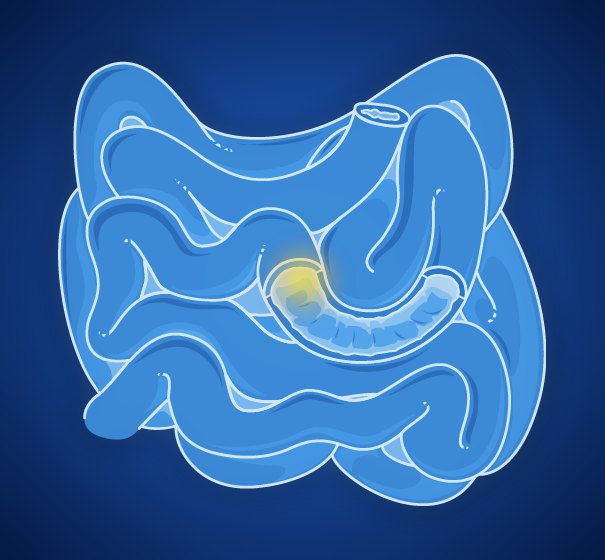

HIPEC - hyperthermic intraperitoneal chemotherapy - is usually performed after cytoreductive surgery for carefully selected cancers that have spread across the lining of the abdominal cavity. The operation first removes all visible tumour that can safely be resected; heated chemotherapy is then circulated inside the abdomen to expose microscopic residual cancer cells to a high local drug concentration.
HIPEC is therefore not simply 'hot chemotherapy' and it is not an alternative to proper tumour removal. In most settings, the quality and completeness of cytoreductive surgery are central to outcome. The procedure can involve peritonectomy, bowel resection, removal of the spleen, gallbladder, uterus/ovaries or other involved structures and can last many hours.
For international patients, selection is critical. The diagnosis, tumour biology, distribution of peritoneal disease, Peritoneal Cancer Index, likelihood of complete cytoreduction, presence of disease outside the abdomen, nutritional status and previous treatments should be reviewed before travel. A patient should not undertake a major overseas journey merely because HIPEC is technically available.
If you or someone you love has been told that cancer has spread to the lining of the abdomen, you are probably facing hard news and a very large operation. This guide is written to help you understand what CRS-HIPEC can and cannot do, ask whether it has an evidence-based role in your cancer, and plan the whole journey if it does. It does not promise outcomes; every cancer and every patient is different.
Short Answer: Is India a Good Option for Crs-hipec?
For carefully selected patients, it can be. Major Indian cancer centres have teams performing cytoreductive surgery with HIPEC, often at a much lower private price than the USA, UK and Australia. But the central question is clinical: does your cancer have a reasonable evidence-based role for CRS-HIPEC, is the disease pattern and PCI suitable, and can a meaningful complete cytoreduction be achieved? Some patients are found at surgery to have unresectable disease, so this must be discussed beforehand. The operation is among the most demanding in cancer surgery, with real risks of complications and a long recovery. A good team will decline HIPEC when benefit is unlikely. Bowel obstruction, sepsis or severe malnutrition need local treatment first. Start with a remote review of your pathology and scans.
Quick Facts - HIPEC Cancer Surgery for International Patients in India
| Topic | International-Patient Planning Point |
|---|---|
| HIPEC means | Hyperthermic intraperitoneal chemotherapy, usually delivered after cytoreductive surgery |
| Main objective | Remove visible peritoneal tumour and treat microscopic residual disease within the abdomen |
| Selection | Tumour type, PCI, resectability, biology, extra-abdominal disease and fitness are crucial |
| Important diseases | Appendiceal tumours/pseudomyxoma, peritoneal mesothelioma and selected colorectal/ovarian or other peritoneal cancers |
| Not universal | HIPEC is not appropriate for every patient with stage IV or peritoneal metastatic cancer |
| Operation length | Often many hours; varies greatly with tumour burden and organs requiring resection |
| Hospital stay | Commonly around 10-20 days after major uncomplicated CRS-HIPEC; longer with complications |
| India stay | Often about 3-6 weeks; complex recovery can require longer |
| India planning cost | Broadly about US$12,000-25,000+ for CRS-HIPEC; very complex cases can exceed this |
| Records to send | Pathology, CT/MRI/PET images, prior operative notes, chemotherapy history, tumour markers and nutritional/fitness information |
| Major Indian hubs | Delhi NCR, Mumbai, Chennai, Bengaluru, Hyderabad and other tertiary oncology centres |
| Companion | Essential throughout the stay and the journey home, given the size of the operation and the long recovery |
Key principle: The key question is not 'Can HIPEC be done?' It is 'Can a meaningful complete cytoreduction be achieved for a cancer in which CRS-HIPEC has a reasonable evidence-based role?'
Why India, and What CRS and HIPEC Are
Why Do International Patients Choose India for CRS-HIPEC?
Patients travel for CRS-HIPEC for practical reasons, and the strongest ones are about reaching an experienced peritoneal-surface oncology team at a price that does not force a compromise on the plan:
- Lower cost. Private Indian hospitals often quote much less than self-pay prices in the USA, UK, Australia and other high-cost markets, although complications can narrow the gap if they are not budgeted for.
- Experienced programmes. Major cancer centres have teams that perform cytoreductive surgery with HIPEC as part of a wider surgical oncology service.
- Comprehensive backup. Anaesthesia, ICU, pathology, radiology, medical oncology, interventional radiology, blood bank, nutrition and stoma therapy are often in the same hospital.
- Multidisciplinary review. A tumour board can judge selection, sequence with systemic chemotherapy and whether surgery should proceed at all.
- Timely access. Patients facing long waits or no local peritoneal programme can often be assessed promptly once the records are reviewed, though a hurried decision on incomplete imaging helps no one.
- International patient support and English-speaking teams. Major hospitals typically help with appointments, hospital letters for visas, airport pick-up and accommodation guidance.
- A plan you can review first. A remote review can state whether complete cytoreduction looks realistic before you commit to travel, and may show that CRS-HIPEC is not appropriate.
Emergencies Are Different
Acute bowel obstruction, perforation, heavy bleeding, sepsis, severe breathlessness, severe dehydration or malnutrition, or rapidly worsening symptoms needs immediate local care. Do not delay emergency treatment to arrange international travel.
Patient Tip
Low cost should be the beginning of your evaluation, not the end of it. The sections that follow explain how to judge whether CRS-HIPEC is appropriate, how to assess the team and how to budget for complications so that savings do not come at the expense of safety.
How Does India Compare with Other Medical Travel Destinations?
Many patients also look at other peritoneal-surface programmes abroad before deciding. There is no single best country for every patient; the right choice depends on where you live, your cancer and what you can verify about the surgeon and hospital. These are the factors worth comparing:
| Factor | What to compare | How India generally fares |
|---|---|---|
| Cost | The full itemized package: surgeon, HIPEC drug, ICU, consumables, blood, pathology and exclusions, and the contingency for complications | Often much lower than self-pay pricing in Western countries; quotations are hard to compare because surgical extent differs |
| Surgeon and team experience | How many CRS-HIPEC cases of your disease the surgeon performs, complete cytoreduction rates and complication rates | Major Indian centres have experienced teams; always verify disease-specific volume |
| ICU and anaesthesia | Experience with long cytoreductive operations and major ICU care | Available at large cancer centres; confirm the specific hospital |
| Multidisciplinary support | Medical oncology, interventional radiology, nutrition, stoma therapy and urology or HPB backup | Often available in one hospital; confirm for your case |
| Language | Whether doctors and nurses communicate easily with you | English is widely used by medical teams in major Indian hospitals |
| Distance and flight time | Length of the flight and the 3-6 weeks or more you may need to stay | Depends on where you live: relatively close for patients from South Asia, the Middle East and East Africa, and a long-haul journey from the Americas and parts of Europe |
| Visa | Visa type, processing time and attendant rules | India has a dedicated medical visa system with an attendant category; always confirm current rules for your nationality |
| Follow-up | Who will give systemic therapy and surveillance and manage complications at home | Depends on the team; ask for a defined hand-over plan before you commit |
A Fair Way to Compare Destinations
- Ask every destination for the same itemized written plan (expected resections, HIPEC drug and protocol, ICU, consumables, exclusions).
- Compare the clinical selection first and the price second.
- Compare the total trip cost - treatment, a contingency for complications, flights, accommodation for weeks, companion and local transport.
- Judge the peritoneal-surface surgeon and hospital, not just the country or the perfusion machine.
- Compare the follow-up plan: who will give chemotherapy and surveillance and manage complications at home?
What Are Peritoneal Metastases?
Peritoneal metastases occur when cancer deposits develop on the lining of the abdomen and surfaces of abdominal organs. They can produce ascites, bowel obstruction, pain and nutritional decline. The pattern differs from metastases travelling through the bloodstream to liver, lung or bone.
What Is Cytoreductive Surgery?
CRS is an extensive operation designed to remove visible peritoneal tumour. It can include stripping diseased peritoneum and removing involved organs or segments of bowel. The operation is tailored to disease distribution rather than following one fixed template.
What Is HIPEC?
After cytoreduction, heated chemotherapy solution is circulated through the abdominal cavity for a defined period. Drug, temperature, duration and technique vary by cancer and institutional protocol. HIPEC targets the peritoneal surface and does not replace systemic therapy when systemic disease risk exists.
Why Is the Chemotherapy Heated?
Heat can enhance penetration and cytotoxicity of selected chemotherapy drugs and may directly injure tumour cells. The abdomen can receive a high local drug exposure while systemic exposure is comparatively limited. The biological benefit depends on drug and disease context.
Open vs Closed HIPEC Technique for International Patients in India
Some centres circulate chemotherapy with the abdomen temporarily open; others close the abdomen during perfusion. Both approaches aim for uniform exposure and temperature control. Clinical quality depends more on appropriate protocol and cytoreduction than on marketing one technique.
Peritonectomy Procedures
Peritonectomy removes involved parietal or visceral peritoneal surfaces. Depending on distribution, surgery can involve diaphragm, pelvis, omentum and other abdominal regions. These dissections can create large raw surfaces and substantial fluid shifts.
Peritoneal Cancer Index - PCI
PCI divides the abdomen into regions and scores lesion size to quantify peritoneal disease burden. Higher PCI generally indicates more extensive disease and can reduce the probability of complete cytoreduction in some cancers. The clinically acceptable PCI threshold is tumour-specific, not universal.
Completeness of Cytoreduction Score
After surgery, residual disease is graded according to the size of tumour left behind. Outcomes are generally best when no visible disease or only minimal residual disease remains in settings where CRS-HIPEC is indicated. A high-quality preoperative assessment estimates whether this endpoint is realistic.
Why Tumour Biology Matters
Two patients with the same PCI can have very different outcomes because histology, grade, molecular features and response to chemotherapy differ. Aggressive systemic biology may make major regional surgery less useful. Selection must consider both anatomy and biology.
CRS and HIPEC at a Glance
| Element | What it is | What to remember |
|---|---|---|
| Cytoreductive surgery | ||
| (CRS) | Removal of all visible peritoneal tumour, which can include peritonectomy and organ or bowel resection | Completeness of cytoreduction is central to outcome |
| HIPEC | Heated chemotherapy circulated inside the abdomen after CRS for a defined period | It treats microscopic disease on the peritoneal surface; it does not replace tumour removal |
| PCI | A score of peritoneal disease burden across abdominal regions | The acceptable threshold is tumour-specific |
| Completeness score | Grades residual disease after surgery | Best outcomes follow no or minimal residual disease |
| Systemic therapy | Chemotherapy or other treatment for disease beyond the peritoneum | HIPEC does not replace it when systemic risk exists |
Making the Remote Review Count
- Send the pathology report, and slides or blocks if the diagnosis is uncertain
- Send complete CT, MRI and PET images (not only reports), tumour markers and recent blood tests
- Include prior operative notes, especially any description of small-bowel or mesenteric disease, and all chemotherapy details
- State your weight, weight change, appetite and how active you are day to day
- Ask the team whether complete cytoreduction looks realistic and what the chance is that surgery will be abandoned
Send your pathology, complete CT/MRI/PET images, prior operative notes, chemotherapy details, tumour markers, recent blood tests and weight and performance information. You will receive a preliminary opinion covering whether CRS-HIPEC has an evidence-based role for your tumour, whether complete cytoreduction looks realistic, the likely organ resections, the stay in India, an itemized cost estimate and a follow-up plan, so you can decide with a clear picture in hand.
Cancers Where CRS-HIPEC May Be Considered for International Patients in India
Appendiceal Cancer
Appendiceal mucinous neoplasms can spread across the peritoneum and are among the classic indications for CRS-HIPEC in selected patients. Histological grade and distribution strongly influence prognosis. Pathology review is especially important because terminology and biological behavior vary.
Pseudomyxoma Peritonei
Pseudomyxoma peritonei describes mucinous tumour accumulation throughout the abdomen, most often from an appendiceal origin. CRS-HIPEC can provide long-term disease control in appropriately selected patients. The surgery may be extensive despite relatively indolent tumour biology.
Colorectal Peritoneal Metastases
Selected patients with colorectal cancer confined predominantly to the peritoneum may be considered for cytoreductive surgery. The incremental role of HIPEC itself varies with protocol and evidence, while complete cytoreduction remains central. Systemic chemotherapy and molecular biology must be integrated into selection.
Ovarian Cancer
Cytoreductive surgery is fundamental in ovarian cancer. HIPEC has a role in selected settings and centres, particularly within defined treatment pathways rather than for every ovarian cancer patient. Timing relative to chemotherapy and disease status must be individualized.
Primary Peritoneal Cancer for International Patients in India for HIPEC Cancer Surgery
Primary peritoneal carcinoma is treated similarly to epithelial ovarian cancer in many settings. Cytoreduction and systemic therapy are central, with HIPEC considered selectively. Histology and treatment timing guide decisions.
Peritoneal Mesothelioma
Diffuse malignant peritoneal mesothelioma is a rare disease for which CRS-HIPEC can provide meaningful long-term control in carefully selected patients at experienced centres. Histological subtype, PCI and completeness of cytoreduction are important prognostic factors.
Gastric Cancer With Peritoneal Disease
Gastric peritoneal metastases usually indicate advanced disease. CRS-HIPEC or intraperitoneal approaches are being used or studied in highly selected patients, but should not be presented as routine curative treatment. Systemic therapy remains central for most patients.
Other Cancers
Peritoneal spread from small bowel, sarcoma and other cancers requires disease-specific evaluation. Evidence for CRS-HIPEC is much weaker or highly selective in many rare indications. Availability of HIPEC should not be mistaken for proven benefit.
Cancers and the Role of CRS-HIPEC at a Glance
| Cancer | Role of CRS-HIPEC | Key point before travel |
|---|---|---|
| Appendiceal and pseudomyxoma | Classic indication in selected patients | Expert pathology review of grade and terminology |
| Colorectal peritoneal metastases | Selected patients with disease mainly in the peritoneum | Complete cytoreduction is central; HIPEC role varies with protocol and evidence |
| Ovarian and primary peritoneal | Selected settings within defined pathways | Timing relative to chemotherapy is individualized |
| Peritoneal mesothelioma | Can give long-term control in selected patients at experienced centres | Subtype, PCI and completeness matter |
| Gastric cancer | Highly selected or investigational; not routine curative treatment | Systemic therapy remains central |
| Other cancers | Evidence weaker or highly selective | Availability is not proof of benefit |
Selection and Work-Up
When HIPEC May Not Be Appropriate
Extensive unresectable small-bowel involvement, major extra-abdominal metastases, rapidly progressive disease, severe frailty or inability to achieve meaningful cytoreduction can make CRS-HIPEC inappropriate. The exact contraindications vary by cancer and treatment goal.
Extra-Abdominal Metastases
Disease in lung, bone or other distant sites often suggests systemic biology that reduces the value of major regional surgery. Selected limited metastases may be treated in specialized multimodality strategies. A tumour board should assess these exceptions.
Small-Bowel Disease
Diffuse tumour coating the small bowel or mesentery can prevent complete cytoreduction without leaving inadequate functional bowel. This is a common reason a planned CRS cannot be completed. High-quality imaging can help but may underestimate small peritoneal deposits.
Diagnostic Laparoscopy
When scans cannot reliably define peritoneal burden, staging laparoscopy can directly inspect disease and estimate PCI before committing to a major laparotomy. Adhesions from previous operations can limit assessment.
CT and MRI for HIPEC Planning for International Patients in India
Contrast CT is widely used to assess peritoneal distribution, obstruction and distant disease. MRI can improve detection of mucinous or small peritoneal deposits in selected patients. Imaging should be reviewed by radiologists familiar with peritoneal malignancy.
PET-CT
PET-CT can help identify metabolically active distant disease in selected cancers but may underestimate low-grade mucinous peritoneal disease. A negative PET scan does not exclude peritoneal tumour.
Tumour Markers
CEA, CA19-9, CA125 and other markers may support baseline assessment and follow-up depending on cancer type. They do not replace imaging or pathology. Trends can be more informative than a single value.
Preoperative Pathology Review
Histology determines whether the biology is compatible with a major regional approach. Expert review can distinguish low-grade appendiceal disease, aggressive adenocarcinoma, mesothelioma and other entities. International patients should send blocks/slides when diagnosis is uncertain.
Systemic Chemotherapy Before CRS-HIPEC
Neoadjuvant chemotherapy is used in selected colorectal, ovarian and other cancers to treat systemic micrometastases and test tumour biology. Progression despite effective systemic therapy may signal poor surgical benefit. The strategy is not identical for every indication.
Systemic Chemotherapy After CRS-HIPEC
Adjuvant chemotherapy may be recommended based on cancer type, pathology, previous treatment and recurrence risk. HIPEC does not automatically eliminate the need for systemic therapy. The postoperative plan should be defined after final pathology and recovery.
Selection at a Glance
| Question | How it is answered | Why it matters |
|---|---|---|
| What is the tumour biology? | Expert pathology review, grade, molecular features | Aggressive systemic biology reduces the value of major regional surgery |
| How much peritoneal disease is there? | CT, MRI, diagnostic laparoscopy and PCI | Higher PCI can reduce the chance of complete cytoreduction |
| Is there disease outside the abdomen? | CT, PET-CT and tumour board | Distant disease often points to systemic biology |
| Is the small bowel involved? | Imaging and, if needed, laparoscopy | A common reason a planned CRS cannot be completed |
| Is the patient fit enough? | Cardiac, lung, kidney, nutrition and performance assessment | This is a very long major operation |
| Does systemic therapy come first? | Tumour board review | Response to chemotherapy tests tumour biology |
The Operation: Organs, Anaesthesia and Intensive Care
Major Organs That May Be Resected
Depending on disease distribution, CRS can include colon or small-bowel segments, spleen, gallbladder, uterus/ovaries, portions of stomach, diaphragm peritoneum or other structures. The patient should understand anticipated and possible additional resections before consent.
Bowel Resection and Anastomosis
One or more bowel segments may need removal. The surgeon may reconnect bowel or create a temporary/permanent stoma depending on anatomy, number of anastomoses and risk. Leak is a major postoperative complication.
Stoma After CRS-HIPEC for International Patients in India
A temporary ileostomy or colostomy may protect a high-risk bowel connection. Some extensive disease requires a permanent stoma. International patients need supplies, education and a reversal plan when applicable.
Splenectomy
Tumour involving the left upper abdomen may require spleen removal. Patients then need appropriate vaccination and education about serious infection risk. Vaccination timing depends on urgency and clinical circumstances.
Diaphragm Peritonectomy
Disease on the undersurface of the diaphragm can be stripped or resected. Pleural entry may occur and can require chest drainage. Postoperative breathing exercises and monitoring are important.
Pelvic Peritonectomy
Pelvic disease can involve rectum, bladder surface, uterus/ovaries and pelvic peritoneum. Resection can be extensive and may affect urinary, bowel or reproductive function. Preoperative counselling should reflect likely organ removal.
Ureter and Bladder Involvement
Selected disease may require ureteric stents, ureteric reconstruction or partial bladder resection. Urological expertise may be needed. Postoperative urinary leakage or obstruction requires prompt management.
Duration of CRS-HIPEC
Operations can last many hours because multiple abdominal regions and organs may require meticulous tumour removal before perfusion. Duration alone does not measure quality, but prolonged surgery increases physiological stress. Anaesthesia and ICU teams must be experienced with major cytoreduction.
Anaesthesia Challenges
Large fluid shifts, blood loss, temperature changes, long operating time and chemotherapy exposure create specific anaesthetic demands. Invasive monitoring and careful fluid/renal management may be required. Preoperative cardiac, pulmonary and renal fitness are important.
Blood Loss and Transfusion
Extensive peritonectomy can bleed, although experienced teams use meticulous haemostasis and blood-conservation strategies. Blood products should be readily available. Patients with preoperative anaemia may benefit from optimization.
ICU and High-Dependency Care for International Patients in India for HIPEC Cancer Surgery
Some patients go routinely to ICU/HDU after extensive CRS-HIPEC, while lower-complexity cases may not require prolonged intensive care. Monitoring focuses on haemodynamics, renal function, respiration and early complications. The expected level of care should be included in the quotation.
Complications, Recovery and Long-Term Outlook for International Patients in India for HIPEC Cancer Surgery
Kidney Injury
Certain HIPEC drugs and major surgery can stress renal function. Hydration, drug selection/dosing and monitoring are important. Baseline kidney impairment can alter candidacy or chemotherapy choice.
Bone-Marrow Suppression
Systemic absorption of intraperitoneal chemotherapy can reduce blood counts depending on the agent. Concurrent or recent systemic chemotherapy can increase risk. Blood counts are monitored after surgery.
Anastomotic Leak
Bowel connections can leak, causing infection, abscess or sepsis and sometimes requiring drainage or reoperation. Multiple resections and poor nutrition increase risk. Persistent fever, pain or deterioration after discharge requires urgent assessment.
Intra-Abdominal Abscess
Large raw peritoneal surfaces and bowel surgery can lead to infected fluid collections. CT-guided drainage and antibiotics are often effective, but some patients require surgery. Delayed abscess can occur after initial discharge.
Pancreatic or Biliary Leak
Upper abdominal dissection can occasionally injure or require resection near pancreas or bile ducts, causing postoperative leaks. Management may involve drains, endoscopy or intervention. Risk depends on organs involved in cytoreduction.
Respiratory Complications
Long surgery, diaphragm stripping, pleural entry and postoperative pain can contribute to atelectasis, effusions or pneumonia. Early mobilization and respiratory physiotherapy are important. Some patients require chest drains.
Venous Thromboembolism
Cancer plus prolonged major abdominal surgery creates high DVT/PE risk. Mechanical and pharmacological prophylaxis are usually used when safe. Long-haul travel adds another period of immobility.
Nutrition and Sarcopenia for International Patients in India for HIPEC Cancer Surgery
Peritoneal disease often causes weight loss, early satiety or obstruction. Malnutrition and low muscle mass increase complications and delay recovery. Prehabilitation and dietitian input can materially affect readiness for surgery.
Prehabilitation
Exercise, protein/calorie support, anaemia correction, smoking cessation and control of comorbidities can improve resilience before major cytoreduction. Optimization should not create an unsafe delay in cancer treatment.
Enhanced Recovery
Early mobilization, multimodal pain control, respiratory exercises, appropriate feeding and removal of unnecessary tubes support recovery. CRS-HIPEC pathways must still account for the magnitude of surgery. Discharge criteria should be functional, not based only on postoperative day.
Recovery Timeline
Fatigue and appetite loss can persist for weeks. Many patients need several weeks before comfortable long-distance travel and months before full stamina returns. Multiple organ resections or complications lengthen recovery.
Recurrence After CRS-HIPEC
Recurrence can occur within the peritoneum or at distant sites. Risk depends on histology, PCI, completeness of cytoreduction, nodal disease and tumour biology. Surveillance is disease-specific and may include imaging and tumour markers.
Repeat CRS-HIPEC
Selected patients with isolated peritoneal recurrence, favourable biology and a long disease-free interval may be considered for repeat cytoreduction with or without HIPEC. Repeat surgery is technically more difficult because of adhesions and altered anatomy.
Fertility and Reproductive Considerations
Pelvic cytoreduction can require removal of ovaries, uterus or reproductive structures, and chemotherapy can affect fertility. Fertility preservation should be discussed before treatment when oncologically safe. This is particularly important for younger patients.
Quality of Life
CRS-HIPEC has substantial short-term impact, but selected long-term survivors can regain good function. The expected survival benefit must justify operative burden and possible permanent changes such as a stoma. Patient goals should be part of selection.
Palliative Surgery vs CRS-HIPEC for International Patients in India
A patient with obstruction, bleeding or ascites may need symptom-relieving surgery or procedures even when complete cytoreduction is not feasible. Palliative surgery has different goals from curative-intent CRS-HIPEC. These pathways should not be confused in counselling or quotations.
Possible Problems and What to Ask
| Problem | What may happen | What to ask or do |
|---|---|---|
| Anastomotic leak | Fever, pain, infection or sepsis; may need drainage or reoperation | Ask how leaks are detected and managed, and how the team reaches you after discharge |
| Intra-abdominal abscess | Infected collection, sometimes after discharge | Report fever or pain early; ask about drainage options |
| Pancreatic or biliary leak | Leak after upper-abdominal dissection | Ask whether upper-abdominal resection is likely |
| Kidney injury or low blood counts | Drug and surgery stress on kidneys and marrow | Ask about monitoring and the chosen drug |
| Respiratory problems | Collapse, effusion or pneumonia, sometimes chest drains | Plan breathing exercises and physiotherapy |
| Blood clots | DVT or PE after major surgery and long flights | Ask for individualized prevention and fit-to-fly advice |
| Malnutrition and weakness | Slow recovery and more complications | Start dietitian input and prehabilitation early |
Preparing Yourself Before CRS-HIPEC (Prehab)
This is a very large operation, so preparation matters. Always agree what is appropriate with your surgical team, and never let preparation delay urgent cancer treatment:
- Early dietitian review with a high-protein, high-calorie plan, and supplements or feeding support if you are losing weight
- Gentle, regular activity such as daily walking, as advised by your team
- Breathing exercises to prepare for diaphragm surgery and long anaesthesia
- Stopping smoking and limiting alcohol
- Treating anaemia and other medical problems that could raise risk
- A medicine review, including blood thinners, diabetes medicines, supplements and herbal products
- Stoma education and marking before surgery, if a stoma is possible
- Fertility discussion before treatment, where relevant, and vaccination advice if the spleen may be removed
- Practical and emotional support arranged for you and your companion
Preparation should never delay urgent cancer treatment. Your team will tell you if time is critical.
Around CRS-HIPEC: What to Expect
| Stage | What usually happens |
|---|---|
| Before surgery | Pathology and imaging review, tumour-board selection, staging laparoscopy if needed, fitness and nutrition assessment, consent covering possible organ resections, a stoma and abandonment of surgery |
| Day of surgery | A long operation with intraoperative reassessment of resectability, cytoreduction, then HIPEC when appropriate, followed by closure and ICU or high-dependency care |
| Hospital stay | Often about 10-20 days, with early walking, breathing exercises, pain control, graded feeding and monitoring of kidneys, counts and bowel function |
| Early recovery in India | Wound, stoma and drain checks, final pathology review, the adjuvant-treatment decision and fit-to-fly assessment |
| After you return home | Gradual return of stamina over months, systemic therapy where recommended and a written surveillance schedule |
Choosing Your Surgeon, Centre and City
Choosing a CRS-HIPEC Surgeon
Look for a surgeon/team whose practice includes substantial peritoneal-surface malignancy work, not merely occasional HIPEC perfusion. Ask about disease-specific selection, PCI, complete cytoreduction rates and management of complex complications. The surgeon should be willing to decline HIPEC when benefit is unlikely.
Choosing a HIPEC Centre in India
A strong centre needs surgical oncology, experienced anaesthesia/ICU, pathology, radiology, medical oncology, interventional radiology, endoscopy, blood bank, nutrition and stoma support. Complex cases may also require urology, thoracic or HPB expertise. The programme should manage the entire cytoreductive operation, not just the perfusion device.
Major HIPEC Treatment Hubs in India
Delhi NCR, Mumbai, Chennai, Bengaluru, Hyderabad and other tertiary oncology centres have teams performing CRS-HIPEC. The best centre depends on cancer type, tumour burden and surgeon expertise. Remote image/pathology review should precede travel whenever possible.
Warning Signs of an Unreliable Offer
Medical travel works best when the information you receive is specific, itemized and clinically sensible. Be cautious if you see any of the following:
Red Flags
- A confident HIPEC recommendation or fixed date without review of your actual imaging and pathology
- HIPEC offered for any peritoneal spread, with no discussion of tumour type, PCI or evidence
- No estimate of how likely complete cytoreduction is, and no discussion of the chance the operation is abandoned
- Promises of a 'cure', 'guaranteed' results or 'minimal' surgery
- No mention of organ resection, stoma, ICU or complications in the consent discussion
- A surgeon with only occasional HIPEC perfusion experience, or an unwillingness to decline HIPEC when benefit is unlikely
- No ICU, blood bank, interventional radiology or pathology backup
- Pressure to decide or pay quickly for a condition that is not an emergency
- A base price with no contingency discussion or unclear exclusions for complications and reoperation
- No plan for chemotherapy, surveillance or follow-up after you return home
What a Good International Patient Service Should Provide
A well-run programme should make the journey easier at every stage:
- A named coordinator and a direct line to the clinical team before you travel
- Review of your actual pathology and imaging by the operating surgeon, and a written preliminary opinion covering the diagnosis, estimated PCI, whether complete cytoreduction looks realistic and the likely organ resections
- Honest discussion of alternatives, including systemic therapy alone, palliative surgery, treatment closer to home and whether travel is necessary at all
- An itemized written estimate that states what is included, how extra bowel resections, stoma, blood, drainage and reoperation are charged, and a suggested contingency
- A hospital letter for your medical visa application, and guidance for attendant visas
- Airport pick-up, assistance on arrival and accommodation near the hospital for weeks
- Interpreter support where needed
- Final pathology, PCI and completeness documentation, operative report, discharge summary, stoma plan and surveillance schedule
- A defined follow-up pathway after you return home, including teleconsultations with the operating team
Cost, Packages and Quotations for International Patients in India for HIPEC Cancer Surgery
Indicative CRS-HIPEC Costs in India
| Treatment / Scenario | Broad International-Patient Planning Range |
|---|---|
| Pre-HIPEC evaluation / staging | Approx. US$800-2,500 |
| Standard-complexity CRS-HIPEC | Approx. US$12,000-20,000 |
| Extensive multivisceral CRS-HIPEC | Approx. US$18,000-30,000+ |
| CRS-HIPEC with prolonged ICU / major reconstruction | Approx. US$22,000-40,000+ |
| Repeat CRS-HIPEC | Approx. US$18,000-35,000+ depending on adhesions/extent |
| Systemic chemotherapy | Additional; regimen and drug dependent |
| Stoma / interventional procedures | Additional when required |
| Complication-related prolonged admission | Can materially increase the final bill |
These are broad private international-patient planning estimates, not guaranteed tariffs. The number of peritonectomy regions, bowel/organ resections, operating time, ICU stay, blood products, chemotherapy drug, stoma, complications and reoperations can change cost substantially.
What a CRS-HIPEC Package Should Include for International Patients in India
Ask whether the quotation includes the cytoreductive surgeon/team, HIPEC perfusion and chemotherapy drug, anaesthesia, operating theatre, anticipated organ resections, standard staplers/consumables, ICU and ward nights, pathology, routine imaging and postoperative reviews. Clarify how extra bowel resections, stoma, blood products, interventional drainage and reoperation are charged.
Factors That Increase HIPEC Cost
High PCI, multiple bowel resections, splenectomy, diaphragm/pelvic procedures, urinary reconstruction, prolonged ICU care, sepsis, anastomotic leak, renal injury and repeat surgery can raise expenditure substantially. International patients should maintain a financial contingency rather than budget only the base package.
CRS-HIPEC Cost - India vs USA, UK and Australia
| Representative Treatment | India | USA | UK Private | Australia Private | Approx. India Saving* |
|---|---|---|---|---|---|
| CRS-HIPEC -selected case | $12k-25k+ | $100k-250k+ | $50k-100k+ | $60k-120k+ | Approx. 50-95% |
| Extensive multivisceral CRS-HIPEC | $18k-35k+ | $150k-350k+ | $70k-140k+ | $80k-160k+ | Approx. 50-95% |
| Repeat / complex | |||||
| CRS-HIPEC | $18k-40k+ | $150k-350k+ | $70k-150k+ | $80k-170k+ | Approx. 45-95% |
*Broad private/self-pay planning comparisons only. CRS-HIPEC quotations are difficult to compare because surgical extent and complication assumptions differ. Publicly funded pathways abroad are not directly comparable.
Budgeting for the Whole Pathway, Not Just the Operation
The operation is only one part of the budget. Ask for the treatment quotation, then add:
- A contingency for complications, extra resections, prolonged ICU care or reoperation, which can materially raise the final bill
- Return flights for you and your companion, with flexibility to change dates if recovery is slow
- Accommodation near the hospital for the whole stay, commonly about 3-6 weeks and longer after extensive surgery
- Meals, local transport and airport transfers
- Visa fees, travel insurance and any attendant visa costs
- Systemic chemotherapy before or after surgery, and follow-up scans and tests
- Stoma supplies, nutrition support and home nursing, if needed
CRS-HIPEC Quotation Comparison Table
| Item | Centre A | Centre B |
|---|---|---|
| Diagnosis / histology | ||
| Estimated PCI | ||
| Expected completeness of cytoreduction | ||
| Likely organ resections | ||
| Bowel resections / stoma | ||
| HIPEC drug/protocol | ||
| Surgeon disease-specific volume | ||
| ICU / ward assumptions | ||
| Blood / consumables | ||
| Pathology | ||
| Complication exclusions | ||
| Adjuvant treatment plan | ||
| Expected India stay | ||
| Total package |
Your Journey: Records, Travel, Visa and Going Home for International Patients in India for HIPEC Cancer Surgery
Remote Case Review Before Travel
Send pathology, complete CT/MRI/PET images, prior operative notes, chemotherapy details, tumour markers, recent blood tests and weight/performance information. If the abdomen has already been explored, the surgeon's description of small-bowel/mesenteric disease is particularly useful. The reviewing team should state whether complete cytoreduction appears realistic.
Records Checklist
- Biopsy and pathology reports; slides or blocks if the diagnosis is uncertain
- Complete CT, MRI and PET images, not only reports
- Prior operative notes, including any description of small-bowel disease
- Chemotherapy details and response
- Tumour markers and recent blood tests
- Weight, weight change and performance status
- Medicine list, allergies and other conditions
- Passport copy
Questions the Pre-Travel Opinion Should Answer
What is the exact histology? What is the estimated PCI? Is disease confined to a potentially resectable peritoneal pattern? What organs may need removal? Is systemic chemotherapy needed first? What is the chance that surgery will be aborted because complete cytoreduction is impossible? A confident HIPEC recommendation without reviewing imaging and pathology deserves caution.
International Patient Treatment Journey
1) Remote pathology/imaging review. 2) multidisciplinary selection. 3) systemic therapy first if indicated. 4) travel/restaging. 5) prehabilitation. 6) CRS with intraoperative reassessment of resectability. 7) HIPEC when appropriate. 8) ICU/ward recovery. 9) final pathology/adjuvant plan. 10) fit-to-fly and home surveillance. Some patients are found intraoperatively to have unresectable disease; this possibility must be discussed beforehand.
How Long to Stay in India
A typical international patient should plan roughly 3-6 weeks around major CRS-HIPEC, including preoperative evaluation and postoperative recovery. Extensive surgery, stoma management or complications can require substantially longer. Flexible flights and accommodation are strongly advisable.
Flying After CRS-HIPEC
Long-haul flight should wait until bowel function, hydration, nutrition, mobility and wounds are stable and there is no uncontrolled infection or major respiratory problem. Cancer surgery and immobility increase thrombosis risk. Patients should receive individualized DVT-prevention and fit-to-fly advice.
Stoma and Drain Planning for Travel for International Patients in India for HIPEC Cancer Surgery
If a stoma remains, the patient needs adequate supplies, written appliance specifications and confidence in self-care. Drains should ideally be removed before long-haul travel, although selected stable patients can travel with a drain under specialist guidance. Home nursing support should be arranged when needed.
Airline and Travel Practicalities After CRS-HIPEC
Airline rules differ, so confirm each point with your airline before you fly:
| Topic | What to arrange |
|---|---|
| Fit-to-fly letter | Ask your surgeon for written clearance stating the diagnosis, operation and date, and carry it in hand luggage; some airlines require a medical form after major abdominal surgery |
| Blood clots | Cancer and major surgery raise clot risk; ask whether compression stockings or blood-thinning injections are needed, and walk and hydrate regularly in flight |
| Stoma supplies | Pack plenty of spare bags, appliance details and skin care in hand luggage, and allow for gas expansion in the cabin |
| Drains and wounds | Confirm that drains have been removed or are safe for travel; carry dressings and wound-care instructions |
| Eating and drinking | Carry suitable food, oral supplements and fluids as advised by your dietitian, and stay well hydrated |
| Medicines and injections | Keep all medicines, injections and painkillers in hand luggage with a prescription list and a letter for needles or syringes if needed |
| Seat choice and assistance | An aisle seat helps movement and toilet access; request wheelchair or airport assistance if you tire easily |
| Records | Carry the pathology report, operative report, discharge summary and contact details of the operating team in case of a problem on the journey |
| Flexible tickets | Book a flexible return so that a delay in healing does not mean losing money on a fixed date |
| Insurance | Check what travel insurance covers for surgery-related complications |
Accommodation and Companion
A companion is essential after CRS-HIPEC, for help with mobility, nutrition, stoma or wound care, medicines and decisions over weeks. Accommodation should be close to the hospital for the whole stay so that fever, pain or other problems can be reviewed promptly.
Medical Visa and Travel Planning
Confirm current Indian medical-visa requirements through official channels, including the attendant visa for your companion. Carry the hospital invitation, a medical summary, your pathology and imaging and your medicines, and keep the visa duration and return travel flexible in case recovery takes longer than planned.
Continuing Chemotherapy at Home
Obtain final pathology, PCI/completeness documentation, operative report and recommended systemic regimen. Confirm drug availability and timing with the home oncologist before departure. Postoperative chemotherapy timing depends on recovery and cancer type.
Post-Return Surveillance
Follow-up may include CT/MRI, tumour markers and clinical review at disease-specific intervals. Patients should know which symptoms require earlier investigation. Remote review by the Indian team can supplement local oncology follow-up.
Arranging Your Follow-Up Care at Home Before You Leave
Recovery and surveillance continue for months and years, so set up your home team before you travel and confirm it again before you fly home:
| Who | Role |
|---|---|
| Local medical oncologist | Gives any adjuvant or ongoing systemic therapy and monitors blood tests and side effects |
| Local surgeon or emergency department | Knows your history and can assess a leak, abscess, obstruction or wound problem quickly, using your operative report |
| Imaging and laboratory service | Carries out CT or MRI and tumour-marker tests on the agreed schedule, comparing with earlier images |
| Stoma nurse and home nursing | Support stoma care, drains, wounds and supplies |
| Dietitian and physiotherapist | Rebuild nutrition, strength and stamina, and support breathing exercises |
| General practitioner | Coordinates care, general health, vaccinations (for example after splenectomy), medicines and referrals |
| Overseas operating team | Teleconsultations, review of scans and records, and advice on the plan |
Hand-over Checklist
- Written fit-to-fly clearance
- Final pathology, PCI and completeness-of-cytoreduction scores
- Operative report and discharge summary
- Adjuvant chemotherapy recommendation
- Stoma plan and appliance specification
- Medicine list, including blood thinners and vaccinations given
- Nutrition and activity instructions
- Surveillance schedule and next appointments
- Home oncologist and surgeon details
- Warning signs and emergency plan
Warning Signs
Urgent assessment is required for fever, worsening abdominal pain, persistent vomiting, inability to pass stool/gas, increasing abdominal distension, wound drainage, breathlessness, leg swelling, reduced urine output or severe weakness/dehydration. Anastomotic leak, abscess, obstruction and thromboembolism can occur after discharge and require local emergency evaluation.
Do Not Wait for an Overseas Reply
Fever, worsening abdominal pain, persistent vomiting, a swollen abdomen with no stool or gas, a wound that opens or discharges, breathlessness, a swollen or painful leg or very little urine needs emergency care where you are. Tell the emergency team you have had CRS-HIPEC, show your operative report, and contact your operating team afterwards.
Tools: Questions, Candidacy, FAQ and Checklist for International Patients in India for HIPEC Cancer Surgery
Twenty Questions to Ask the CRS-HIPEC Team
- 1What exact cancer and histological grade do I have?
- 2Is CRS-HIPEC evidence-based for my tumour type?
- 3What is my estimated PCI?
- 4Is there disease outside the peritoneum?
- 5Do I need chemotherapy before surgery?
- 6How likely is complete cytoreduction?
- 7What would make you stop the operation without HIPEC?
- 8Which organs may need to be removed?
- 9How many bowel resections are anticipated?
- 10What is the chance of a temporary or permanent stoma?
- 11Which HIPEC drug/protocol will you use and why?
- 12How many CRS-HIPEC cases of my disease do you perform?
- 13What are your major complication and reoperation rates?
- 14How often do patients require ICU care?
- 15What is the expected hospital stay?
- 16What is included in the quotation?
- 17How much contingency should I budget for complications?
- 18Will I need chemotherapy after recovery?
- 19How long should I remain in India?
- 20What surveillance will I need after returning home?
Who Is a Good Candidate for CRS-HIPEC?
A strong candidate has a tumour type for which regional peritoneal treatment is supported, disease distribution that permits meaningful complete cytoreduction, acceptable systemic biology and sufficient physiological reserve for a long major operation. Nutritional status and patient goals are also important.
When Medical Travel for HIPEC May Be Inappropriate for International Patients in India
Travel may be inappropriate when the patient has acute bowel obstruction, sepsis, severe malnutrition requiring urgent support, rapidly progressive extra-abdominal disease or instability that requires immediate local treatment. Patients with clearly unresectable peritoneal disease should not travel solely for an unrealistic promise of HIPEC.
Frequently Asked Questions for International Patients in India about HIPEC Cancer Surgery
1. What does HIPEC stand for?
Hyperthermic intraperitoneal chemotherapy.
2. Is HIPEC an operation?
HIPEC is the heated chemotherapy component; it is usually combined with major cytoreductive surgery.
3. What is cytoreductive surgery?
Surgery to remove visible peritoneal tumour, sometimes requiring multiple organ or bowel resections.
4. What is PCI?
The Peritoneal Cancer Index, a score describing distribution and size of peritoneal tumour deposits.
5. Does every patient with peritoneal metastases need HIPEC?
No. Benefit depends strongly on cancer type, biology, PCI, resectability and overall fitness.
6. Is HIPEC used for appendiceal cancer?
Yes. Selected appendiceal tumours and pseudomyxoma are among established applications.
7. Is HIPEC used for colorectal cancer?
Selected patients may undergo CRS with or without HIPEC depending on disease and protocol; systemic therapy remains important.
8. Is HIPEC used for ovarian cancer?
It has a role in selected treatment settings, not universally.
9. What is complete cytoreduction?
Removal of all visible or nearly all visible disease according to standardized residual-disease scoring.
10. Can HIPEC treat cancer outside the abdomen?
No. HIPEC is a regional abdominal treatment; systemic disease needs other strategies.
11. How long is CRS-HIPEC surgery?
Often many hours, depending on tumour burden and organs involved.
12. How long is the hospital stay?
Often around 10-20 days after major uncomplicated surgery, but complications can extend this.
13. What does CRS-HIPEC cost in India?
Broad planning is about US$12,000-25,000+; extensive complex cases can cost more.
14. How much can India save?
Broad private comparisons may show approximately 45-95% savings depending on complexity and country.
15. Will I need a stoma?
Possibly if bowel resection and reconstruction make diversion safer; it can be temporary or permanent.
16. Will I need chemotherapy afterward?
Often, depending on cancer type, prior therapy and final pathology.
17. Can HIPEC be repeated?
Selected patients with favourable isolated recurrence may undergo repeat CRS-HIPEC.
18. How long should I stay in India?
Commonly around 3-6 weeks, with longer stays after extensive surgery or complications.
19. What records should I send before travel?
Pathology, full imaging, prior operation notes, chemotherapy history, tumour markers and recent laboratory/nutritional information.
20. What matters most when choosing a HIPEC centre?
Disease-specific selection and expertise in complete cytoreductive surgery, not simply possession of a HIPEC perfusion machine.
21. Can I travel on my own for CRS-HIPEC?
No. A companion is essential. The operation is very large, recovery takes weeks, and help is needed with mobility, nutrition, stoma or wound care, medicines and decisions.
22. What happens if the surgeon finds the disease cannot be removed?
The operation may be stopped or limited, sometimes with only a palliative procedure. Discuss this possibility, and what it would mean for your cost and stay, before you travel.
23. Is a lower price a reason to choose a centre?
No. Compare the clinical selection, the surgeon's disease-specific experience, the backup and the contingency for complications first. A low base price that excludes complications can end up costing more.
24. Can my home oncologist follow me after surgery?
Often yes, but only if they have agreed in advance and received the full pathology, PCI and completeness scores, operative report and chemotherapy recommendation. Confirm this before you leave India.
CRS-HIPEC Checklist for International Patients in India
Diagnosis
- Pathology reviewed
- Histological grade
- Imaging uploaded
- Estimated PCI
- Extra-abdominal disease assessed
- Tumour markers
Treatment decision
- CRS-HIPEC indication
- Systemic therapy sequence
- Complete cytoreduction feasibility
- Possible organ resections
- Stoma possibility
- Fertility implications
Centre
- Peritoneal-surface malignancy surgeon
- Experienced anaesthesia/ICU
- Medical oncology
- Interventional radiology
- Blood bank
- Nutrition
- Stoma therapy
- Multidisciplinary backup
Cost
- CRS surgeon/team
- HIPEC drug/perfusion
- Operating theatre
- ICU/ward
- Staplers/consumables
- Blood products
- Stoma
- Pathology
- Complication exclusions
Travel
- Medical visa
- Attendant
- Flexible return
- 3-6+ week accommodation
- Nutrition plan
- DVT precautions
- Home stoma/drain support if needed
Before return
- Final pathology
- PCI/completeness score
- Operative report
- Discharge summary
- Stoma plan
- Medication
- Adjuvant recommendation
- Fit-to-fly
- Surveillance schedule
- Home oncologist
Final Perspective
CRS-HIPEC can be a powerful treatment for selected peritoneal malignancies, but its success depends far more on correct selection and complete cytoreductive surgery than on the perfusion technology itself. The operation is among the more demanding procedures in surgical oncology and should be recommended only when its potential oncologic benefit justifies the physiological burden.
India offers experienced peritoneal-surface oncology programmes and substantial private self-pay cost advantages for international patients. The strongest treatment plan begins with expert pathology and imaging review, a realistic assessment of PCI and resectability, integration with systemic therapy, and transparent counselling about organ resection, stoma, complications and recovery.
Send your pathology, complete CT/MRI/PET images, prior operative notes, chemotherapy details, tumour markers, recent blood tests and weight and performance information. You will receive a preliminary opinion covering whether CRS-HIPEC has an evidence-based role for your tumour, whether complete cytoreduction looks realistic, the likely organ resections, the stay in India, an itemized cost estimate and a follow-up plan, so you can decide with a clear picture in hand.
Sources
- 1. Cleveland Clinic - Hyperthermic Intraperitoneal Chemotherapy (HIPEC): https://my.clevelandclinic.org/health/treatments/21569-hyperthermic-intraperitoneal-chemotherapy-hipec
- 2. Mayo Clinic - Hyperthermic intraperitoneal chemotherapy (HIPEC): https://www.mayoclinic.org/tests-procedures/hyperthermic-intraperitoneal-chemotherapy/about/pac-20583315
- 3. Government of India - Indian Visa Online (e-Medical Visa and e-Medical Attendant Visa): https://indianvisaonline.gov.in/evisa/
Important Medical Note. This guide provides general educational information and does not replace individualized assessment by a qualified surgical oncologist and multidisciplinary cancer team. CRS-HIPEC indication, resectability, PCI interpretation, chemotherapy sequence, operative extent, cost and travel timing must be determined from the patient's pathology, imaging, tumour biology, previous treatment, nutritional status, organ function and treatment goals.