

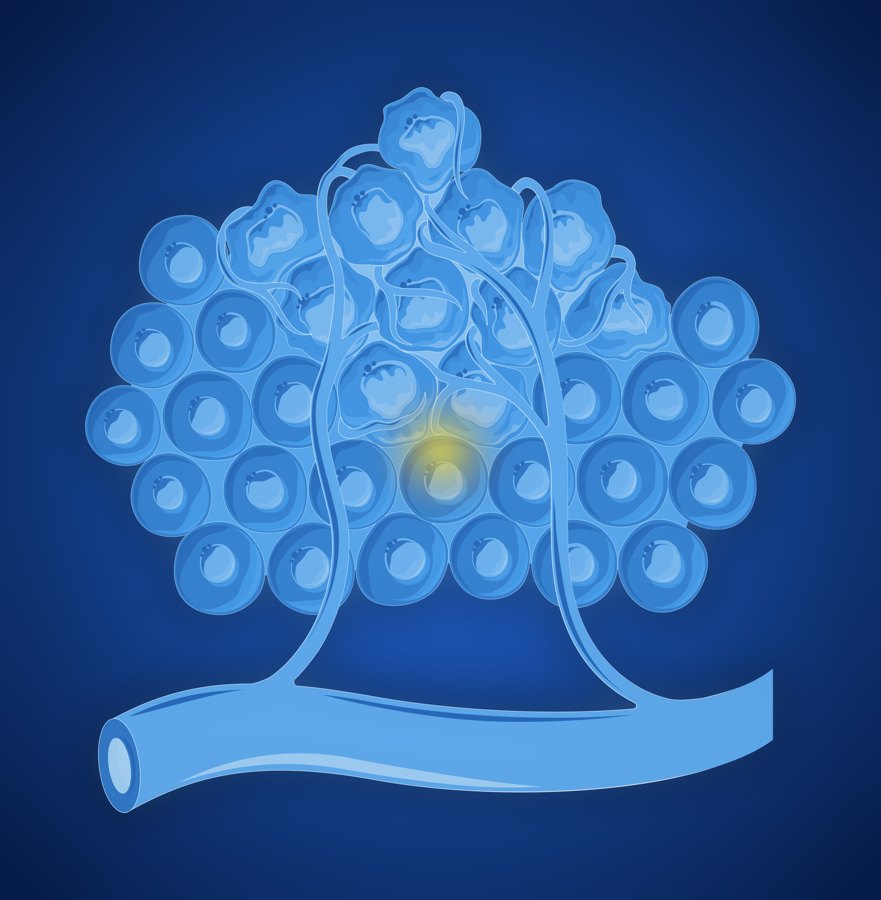

For patients in Ghana living with conditions such as uterine fibroids, liver tumours, narrowed blood vessels, or certain types of pain, interventional radiology offers image-guided treatment as an alternative to open surgery in appropriately selected cases. India has a broad network of interventional radiologists using ultrasound, CT, and X-ray guidance to perform precise, minimally invasive procedures through small skin punctures rather than large incisions.
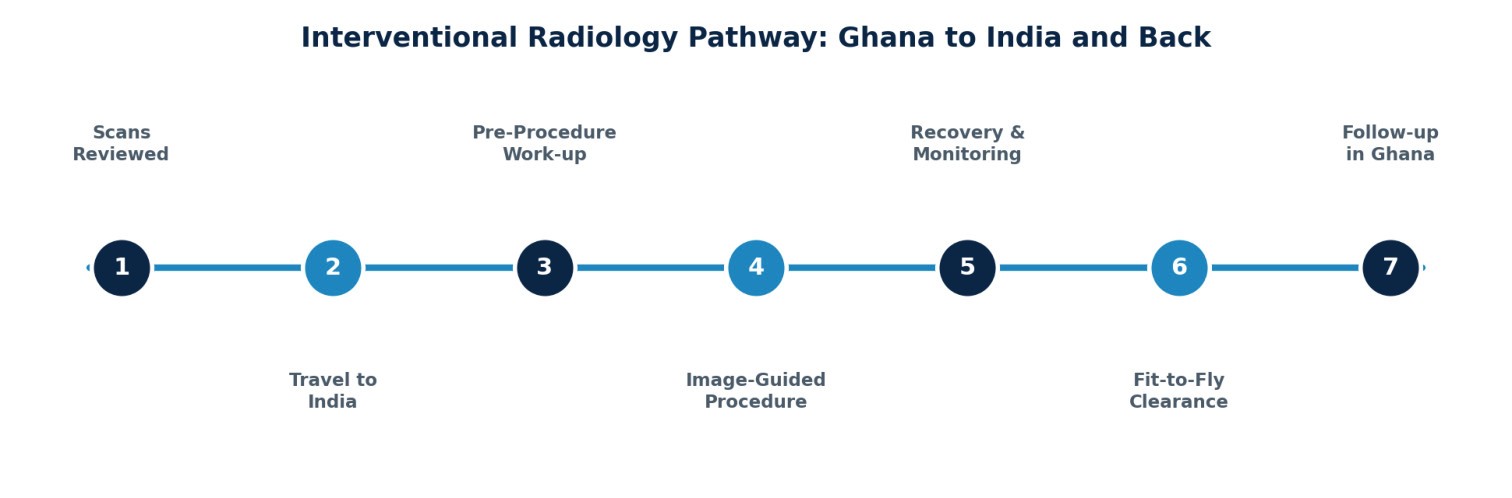
For a patient travelling from Ghana, the important question is not simply “Can this be done in India?” The more useful questions are: Is my specific condition actually suitable for an image-guided approach, or is surgery a better option? What does the procedure involve, and under what type of anaesthesia? What are the risks? How long will recovery take? And when will I be fit enough to make the journey back to Ghana? This guide explains the clinical aspects of interventional radiology in India from the perspective of Ghana patients.
Table of ContentsCLICK
1. Ghana to India: What Is Interventional Radiology and Minimally Invasive Procedures?
Interventional radiology uses imaging technology — ultrasound, X-ray fluoroscopy, or CT — to guide thin instruments, catheters, or needles to precisely the right location inside the body, allowing many conditions to be treated without a large surgical incision. Depending on the diagnosis, interventional radiology can be used to treat blocked or bleeding blood vessels, shrink uterine fibroids, treat certain liver tumours, drain abscesses or fluid collections, biopsy suspicious masses, or relieve blockages in the bile duct or urinary system. Not every condition treatable by interventional radiology is necessarily better treated this way than by surgery; the right approach depends on the specific diagnosis.
2. Common Conditions for Which Ghana Patients May Consider Interventional Radiology in India
Uterine Fibroids
Uterine fibroid embolisation can shrink fibroids by blocking their blood supply, as an alternative to surgical removal in appropriately selected patients.
Liver Tumours
Selected liver tumours may be treated with image-guided ablation or chemoembolisation rather than surgical resection.
Peripheral Vascular Disease
Narrowed or blocked blood vessels in the limbs may be treated with angioplasty and stenting.
Varicocele
An enlarged vein in the scrotum may be treated with embolisation as an alternative to surgical repair.
Abscess or Fluid Collection
Image-guided drainage can treat infected or fluid collections without open surgery.
Biliary or Urinary Tract Obstruction
Image-guided drain or stent placement can relieve blockages of the bile duct or urinary system.
Painful Spinal Compression Fractures
Vertebroplasty or kyphoplasty can stabilise and relieve pain from certain spinal fractures.
Deep Vein Thrombosis
Selected blood clots may be treated with catheter-directed clot removal or clot-dissolving medication.
3. Does Every Condition Need Surgery?
No. This is one of the most important principles for a Ghana patient considering travelling overseas. Depending on the diagnosis, appropriate treatment may include:
- Medication instead of a procedure for many vascular or pain conditions
- Surgery instead of an image-guided approach when the diagnosis, size, or location of the problem makes surgery more appropriate
- Observation for small, asymptomatic findings that do not require immediate treatment
- A combination of interventional radiology and surgery or other treatment, depending on the condition
An image-guided procedure is not automatically the best option simply because it is less invasive. An interventional radiologist and, where relevant, a surgeon should jointly evaluate whether an image-guided or surgical approach is more appropriate for the specific diagnosis.
4. When May Surgery Be Recommended?
- The diagnosis is confirmed to be suitable for an image-guided approach based on imaging and clinical assessment
- The patient is not a suitable candidate for open surgery due to other medical conditions, and a less invasive option is preferred
- The condition (such as fibroids or certain tumours) meets recognised criteria for the specific interventional procedure
- Drainage or decompression is urgently needed and an image-guided approach is the safest and fastest option
5. Warning Signs Ghana Patients Should Not Ignore
- Sudden severe pain at the procedure site
- High fever after a procedure
- Sudden swelling, bruising, or bleeding at the puncture site
- Sudden weakness, numbness, or difficulty breathing
- Signs of infection (redness, warmth, discharge) at a drain or puncture site
A patient with sudden severe pain, high fever, or signs of significant bleeding after a procedure should seek immediate local emergency care in Ghana rather than delaying to arrange overseas follow-up.
6. Ghana to India: Tests Usually Required Before Interventional Radiology Procedures
Ultrasound, CT, or MRI Imaging
Confirms the diagnosis and provides detailed anatomical information needed to plan the procedure.
Blood Tests, Including Clotting Function
Assesses whether it is safe to proceed with a needle- or catheter-based procedure.
Angiography
In selected vascular cases, a preliminary or combined diagnostic angiogram may be performed to map blood vessels before treatment.
Biopsy Where Relevant
May be performed at the same time as an image-guided procedure to confirm the diagnosis.
Kidney Function Tests
Relevant when contrast dye will be used for imaging during the procedure.
7. Ghana to India: Major Types of Interventional Radiology Procedures Available
Uterine Fibroid Embolisation
Small particles are injected into the blood vessels supplying fibroids to shrink them, performed through a small puncture in the groin or wrist.
Tumour Ablation and Chemoembolisation
Heat, cold, or targeted chemotherapy is delivered directly to a tumour, most commonly used for selected liver tumours.
Angioplasty and Stenting
A narrowed or blocked blood vessel is opened using a balloon and, where needed, held open with a stent.
Image-Guided Drainage
A catheter is placed under imaging guidance to drain an abscess, cyst, or other fluid collection.
Vertebroplasty and Kyphoplasty
Bone cement is injected into a fractured vertebra under imaging guidance to stabilise it and relieve pain.
Embolisation for Bleeding
Selected bleeding blood vessels can be blocked using embolisation techniques, avoiding the need for emergency open surgery in some cases.
8. Ghana to India: Image Guidance and Real-Time Navigation
Interventional radiology procedures rely on real-time imaging — ultrasound, X-ray fluoroscopy, or CT — to guide instruments precisely to the treatment site. This allows many procedures to be performed through a needle puncture or small skin nick rather than a surgical incision, in appropriately selected patients. The choice of imaging modality depends on the specific procedure and anatomical location.
9. Advanced Imaging Suites and Hybrid Capability
Advanced Indian interventional radiology centres use dedicated angiography suites with high-resolution imaging, and some offer hybrid rooms combining interventional and surgical capability for complex or combined cases. A useful question for Ghana patients is not “Does this hospital have the latest imaging system?” but “How experienced is this specific interventional radiologist with my exact procedure?”
10. Risks and Possible Complications of Interventional Radiology from Ghana in India
- Bleeding or bruising at the puncture site
- Infection
- Allergic reaction to contrast dye
- Kidney injury related to contrast dye
- Incomplete treatment requiring a repeat or additional procedure
- Injury to nearby structures
- Post-embolisation syndrome (pain, fever, and fatigue after embolisation procedures)
- Radiation exposure, generally kept to the minimum necessary
- Rare but serious complications specific to each procedure type
The risk profile of a straightforward image-guided drainage is very different from that of complex tumour embolisation. Patients should request procedure- specific risk information rather than relying on generic complication percentages.
11. Recovery After Interventional Radiology from Ghana in India
Early Phase
- Monitoring at the puncture or access site
- Pain control, particularly after embolisation procedures
- Monitoring for immediate complications
- Hydration to help clear contrast dye
- Early mobilisation where appropriate
Following Weeks
- Gradual return to normal activity
- Follow-up imaging to confirm treatment success
- Wound or puncture site care
- Medication adjustment
- Monitoring for delayed complications
Longer-Term Recovery
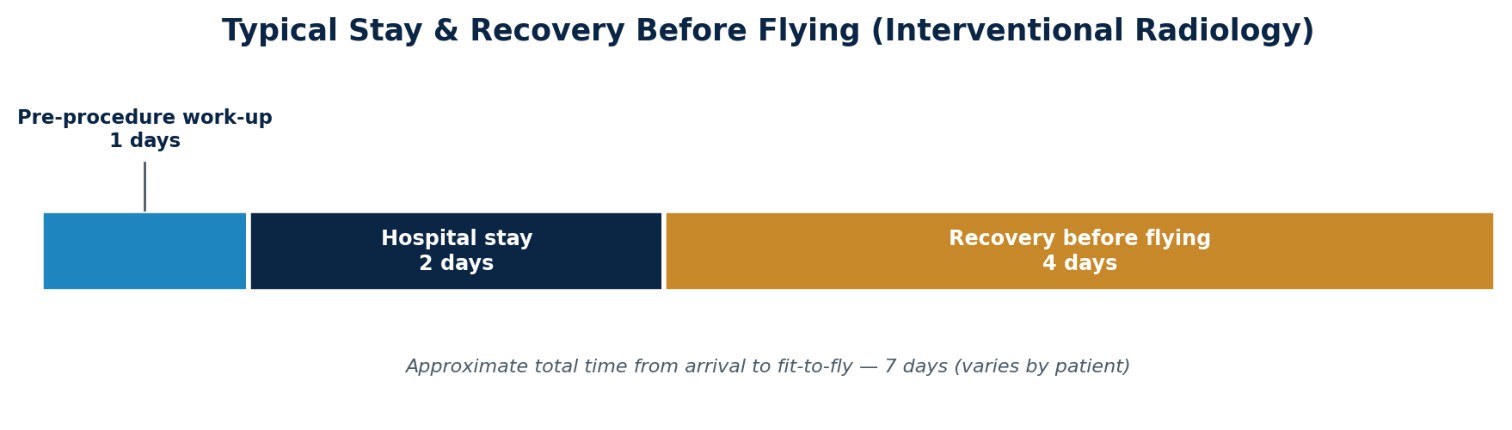
Recovery from most interventional radiology procedures is measured in days rather than weeks, since they avoid a large surgical incision, though certain procedures such as complex tumour ablation may require a longer observation period.
12. Recovery Support After Interventional Procedures
- Puncture site care instructions
- Activity restrictions specific to the procedure performed
- Pain management, particularly after embolisation
- Hydration guidance to support kidney function after contrast dye
- Follow-up imaging schedule
- Monitoring for treatment response over subsequent weeks or months
13. Ghana to India: When Can Patients Return to Work?
This depends heavily on the specific procedure. Many interventional radiology procedures allow return to desk-based work within a few days, since they do not involve a large surgical incision, though embolisation procedures and complex ablations may require a slightly longer recovery.
14. How Long Should a Ghana Patient Remain in India After an Interventional Radiology Procedure?
Most interventional radiology procedures allow travel home within a few days to a week, given their minimally invasive nature, though this depends on the specific procedure and whether any complications arise. A Ghana patient should confirm the expected timeline for their specific procedure and any planned follow-up imaging before finalising travel plans.
15. Flying Back to Ghana After an Interventional Radiology Procedure
- Fit-to-fly clearance from the treating interventional radiologist
- Puncture site assessment before flying
- Hydration
- Blood-clot prevention measures for longer procedures or flights
- Medication timing
- Awareness of expected post-procedure symptoms during travel
Patients who have had embolisation procedures may experience post-procedure pain or fatigue for several days, which should be factored into travel planning.
16. What Medical Information Should You Take Back to Ghana?
- Discharge summary
- Procedure report, including imaging used and materials/devices deployed
- Relevant pre- and post-procedure imaging
- Medication list
- Follow-up imaging schedule
- Emergency warning signs specific to the procedure performed
- Treating interventional radiologist’s contact/follow-up pathway
17. Follow-Up After Returning to Ghana
- Follow-up imaging to confirm treatment response
- Wound or puncture site review
- Medication review
- Coordination with a local physician for ongoing management of the underlying condition
- Monitoring for delayed complications
- Planning for any additional or repeat procedures if needed
18. How Successful Is Interventional Radiology from Ghana in India?
There is no meaningful single “success rate” for interventional radiology procedures as a category. Outcomes depend heavily on the specific condition being treated, its extent, and the specific procedure performed. The expected outcome of a straightforward drainage procedure cannot reasonably be compared with complex tumour embolisation. Patients should be cautious about clinics offering one universal success percentage.
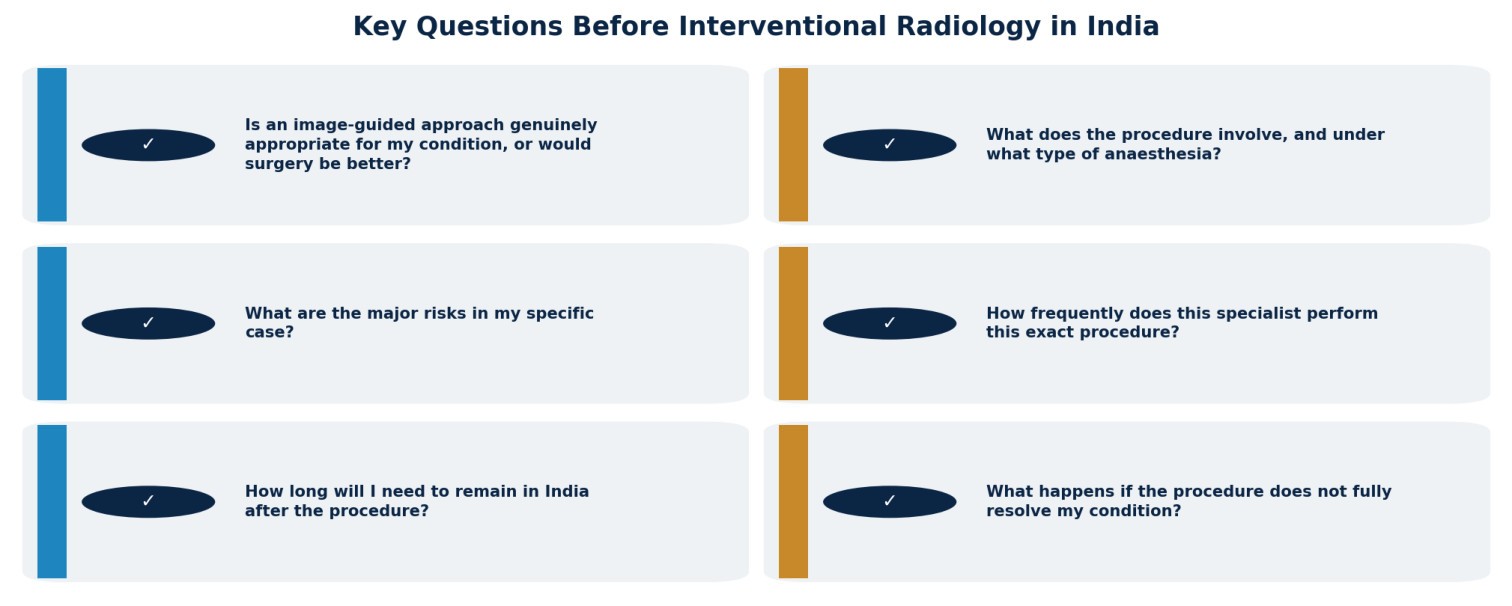
19. Questions Ghana Patients Should Ask Before Agreeing to Surgery
- What is my exact diagnosis?
- Is an image-guided approach genuinely appropriate for my condition, or would surgery be better?
- What does the procedure involve, and under what type of anaesthesia?
- What are the major risks in my specific case?
- How frequently does this specialist perform this exact procedure?
- What follow-up imaging will I need?
- How long will I be in hospital, and how long in India afterward?
- When will I be fit to fly back to Ghana?
- What follow-up will I need after returning home?
- What happens if the procedure does not fully resolve my condition?
Frequently Asked Questions: Ghana to India Interventional Radiology
Can my scans be reviewed before I travel from Ghana?
Often, yes, for an initial opinion. Digital imaging and reports can be reviewed remotely, though a definitive plan usually requires in-person evaluation.
From Ghana, is interventional radiology in India always less risky than surgery?
Not automatically. It is generally less invasive, but the right choice depends on the specific diagnosis; a joint discussion between an interventional radiologist and surgeon can help clarify the best option.
From Ghana, will I be awake during the procedure in India?
Many interventional radiology procedures are performed under local anaesthesia with light sedation, though some require general anaesthesia depending on complexity.
How soon can I fly back to Ghana?
There is no universal timeframe. Your interventional radiologist should clear you for travel based on the specific procedure and your recovery.
What if the first procedure does not fully treat my condition?
Some conditions require a second or repeat procedure, or additional treatment; this should be discussed as part of the initial treatment plan.
From Ghana, is contrast dye safe for my procedure in India?
It is generally safe but carries a small risk of allergic reaction and kidney effects, particularly in patients with pre-existing kidney disease; this should be discussed beforehand.
From Ghana, should I choose a hospital in India based on its imaging technology alone?
No. The specific interventional radiologist’s experience with your exact procedure matters more than the equipment brand.
Can my Ghana doctor follow up after the procedure?
Often yes, particularly for routine follow-up imaging, though the Indian team should provide clear documentation and a follow-up plan.
Key Takeaways: Ghana to India for Interventional Radiology
Travelling from Ghana to India for interventional radiology can offer a minimally invasive alternative to surgery for a range of conditions, but the right starting point is always confirming whether an image-guided approach is genuinely the most appropriate option for your specific diagnosis. For a Ghana patient, the plan should also address the specific technique and anaesthesia involved, recovery in India, follow-up imaging, and a clear pathway for any further treatment needed after returning home.
Citation Block: Interventional Radiology for Ghana Patients in India
Swipe to read more
| Field | Details |
|---|---|
| Article / Topic | Ghana — Interventional Radiology and Minimally Invasive Procedures in India: Complete Clinical & Surgical Guide |
| Primary Patient Group | From Ghana — patients with conditions such as uterine fibroids, liver tumours, narrowed blood vessels or fluid collections, considering an image-guided procedure in India |
| Typical Hospital Stay | 1–3 days, procedure-dependent |
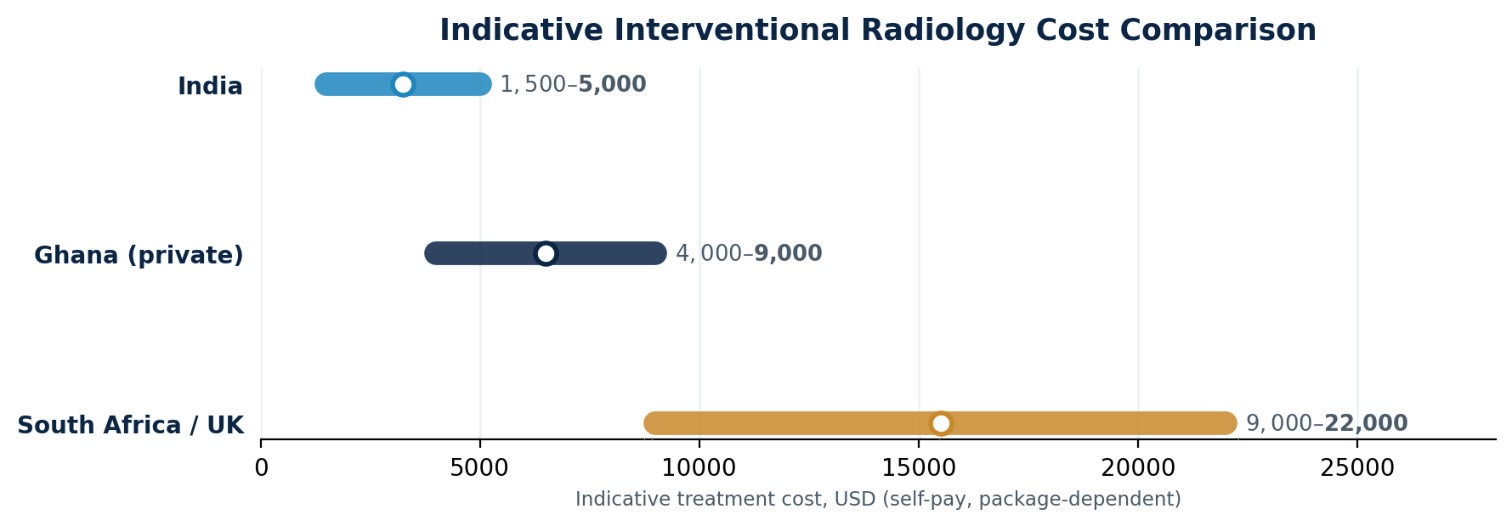
| Typical Cost Saving | 50–70% vs. South Africa / UK, package-dependent |
| Conditions Covered | Uterine fibroids, liver tumours, peripheral vascular disease, varicocele, abscess or fluid collection, biliary or urinary tract obstruction, painful spinal compression fractures, deep vein thrombosis |
| Tests Before the Procedure | Ultrasound, CT or MRI imaging, blood tests including clotting function, angiography, biopsy where relevant, kidney function tests |
| Procedure Types | Uterine fibroid embolisation, tumour ablation and chemoembolisation, angioplasty and stenting, image-guided drainage, vertebroplasty and kyphoplasty, embolisation for bleeding |
| Recovery Timeline | Recovery from most interventional radiology procedures is measured in days rather than weeks; complex tumour ablation may require a longer observation period |
| Documents to Take Back to Ghana | Discharge summary, procedure report, pre- and post-procedure imaging, medication list, follow-up imaging schedule, emergency warning signs, treating interventional radiologist’s contact/follow-up pathway |
| Key Decision Factor | From Ghana to India: confirm whether an image-guided approach is genuinely the most appropriate option for your specific diagnosis |
Sources & Further Reading
- Fibroids - Treatment — NHS, UK Government
- Peripheral Artery Disease - Treatment — National Heart, Lung, and Blood Institute (NIH), U.S. Government
- About Venous Thromboembolism (Blood Clots) — Centers for Disease Control and Prevention, U.S. Government
- Ministry of Health and Family Welfare — Government of India
Ghana Patients — Ready to Take the First Step?
Share your scans and medical reports from Ghana with our team today and get a MEDICAL CONSULTATION, an honest view of your treatment options, an indicative cost estimate in US$ and complete support — from your flight out of Accra to your recovery in India and follow-up back home.
Get Your Medical Consultation