Overview
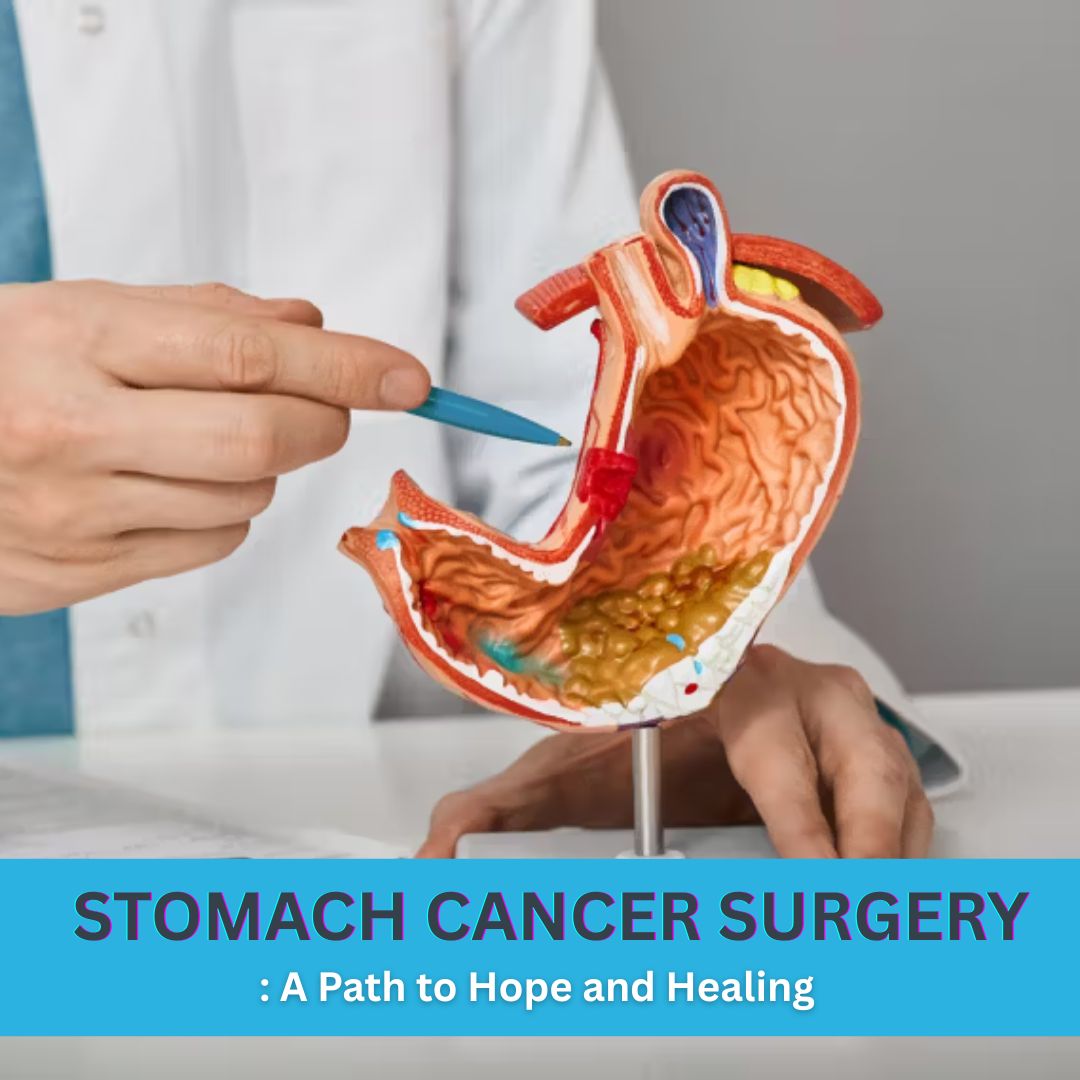
Stomach cancer surgery, also known as gastric cancer surgery, is a critical intervention aimed at removing cancerous tissues from the stomach and surrounding areas. The primary surgical options include partial or total gastrectomy, where either a portion or the entire stomach is excised, depending on the cancer’s stage and location. In addition to tumor removal, surgeons may also perform lymphadenectomy, which involves the removal of nearby lymph nodes to prevent the spread of cancer. The success of stomach cancer surgery often hinges on early detection and the cancer’s responsiveness to treatment, making it imperative for patients to engage in regular screenings and consultations with healthcare professionals.
what is stomach cancer surgery?
Stomach cancer surgery refers to the surgical procedures performed to remove cancerous tissues from the stomach. This may involve partial or total gastrectomy, where either a portion or the entire stomach is excised, depending on the extent of the cancer. The primary goal of the surgery is to eliminate the tumor and prevent the spread of cancer to other parts of the body. In some cases, additional treatments such as chemotherapy or radiation may be recommended in conjunction with surgery to enhance the overall effectiveness of cancer management.
what are the benefits of a stomach cancer surgery?
- Surgery is often a critical part of a comprehensive stomach cancer treatment plan, with benefits that vary depending on the cancer’s stage. For early-stage disease, surgery aims for a cure, while in advanced cases, it focuses on managing symptoms and improving quality of life.
- Effective cancer removal- Surgery is the best method for physically removing localized stomach tumors and achieving long-term survival by completely eliminating the cancerous tissue.
- Offering minimally invasive options- In very early cases, endoscopic mucosal resection (EMR) or endoscopic submucosal dissection (ESD) can remove small tumors without major incisions, resulting in less pain, shorter hospital stays, and faster recovery.
- Relieving symptoms- When the cancer is too widespread to be cured, surgery can provide significant relief from symptoms like pain, bleeding, and blockages caused by the tumor.
- Restoring digestive function- If a tumor is blocking the passage of food, a surgeon can perform a bypass to reroute the digestive system, which helps the patient eat more comfortably and maintain nutrition.
- Improving quality of life- By controlling advanced symptoms, palliative surgery can improve a patient’s overall quality of life and potentially extend their survival.
- Advanced precision- Techniques like laparoscopic and robotic-assisted surgery allow for smaller incisions, which can lead to faster recovery, less blood loss, and lower complication rates compared to traditional open surgery.
what are the early sign of stomach cancer?
Since early signs are often mild and similar to other stomach conditions, they are easily overlooked. If these symptoms are persistent or worsen, it is important to see a doctor.
Key early signs
- Indigestion and heartburn- Persistent issues not relieved by medication.
- Bloating- A feeling of fullness or bloating after eating, even a small meal.
- Abdominal discomfort- Vague or persistent discomfort or pain in the abdomen.
- Loss of appetite- A decreased interest in food or a poor appetite.
- Unexplained weight loss- Losing weight without changes to diet or exercise.
- Nausea and vomiting- Occasional or persistent nausea, which can sometimes include vomiting blood.
- Fatigue- Unexplained tiredness or weakness, which may be caused by internal bleeding leading to anemia.
- Black stools- Stools that are dark brown or black, which can indicate internal bleeding
why is stomach cancer so deadly?
Stomach cancer, also known as gastric cancer, is particularly lethal due to several interrelated factors that complicate its diagnosis and Cancer treatment. One of the primary reasons for its high mortality rate is that the disease often remains asymptomatic in its early stages, allowing it to progress undetected until it reaches an advanced stage. By the time symptoms such as persistent stomach pain, weight loss, or difficulty swallowing manifest, the cancer may have already spread to surrounding tissues or distant organs, making it significantly harder to treat effectively. Furthermore, stomach cancer is often diagnosed at a later stage in populations with limited access to healthcare, where routine screenings are not common. The aggressive nature of certain types of gastric tumors, combined with their resistance to conventional therapies, further contributes to the grim prognosis associated with this malignancy. Overall, the combination of late detection, complex treatment challenges, and biological aggressiveness makes stomach cancer one of the most formidable cancers in terms of mortality.
Conclusion
Stomach cancer, also known as gastric cancer, represents a significant health challenge worldwide, characterized by the malignant growth of cells in the stomach lining. Advances in medical research continue to enhance our understanding of stomach cancer, paving the way for improved screening methods, targeted therapies, and personalized treatment plans that aim to increase patient outcomes and quality of life. As awareness grows and research progresses, it is imperative for individuals to remain vigilant about gastrointestinal health and seek medical advice when experiencing concerning symptoms.